Lockerbie Reopened: The 1988 bombing of Pan Am Flight 103, which killed 270 people, remains contentious decades after Abdelbaset al‑Megrahi's conviction. Newly public CIA cables and leaked copies of Libyan intelligence papers (the "Senussi Files") appear to corroborate some details—movements of suspects, semtex at Malta's Luqa Airport and long‑delay suitcase bombs—but are not definitive. Abu Agila Masud is due to face trial in Washington, D.C., and the proceedings may once again test the admissibility and significance of historical evidence.
Lockerbie Reopened: New Files, Old Doubts and a Trial That Could Rekindle the Case
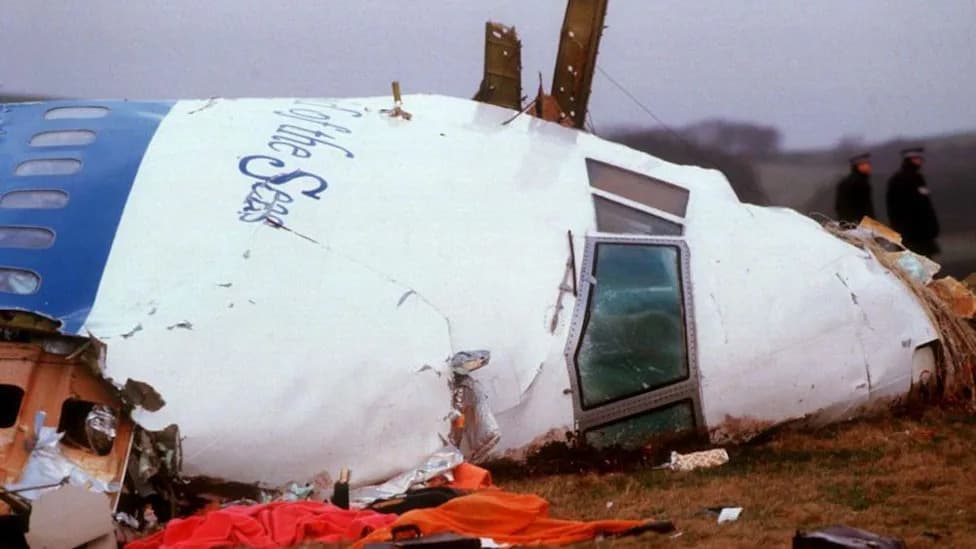
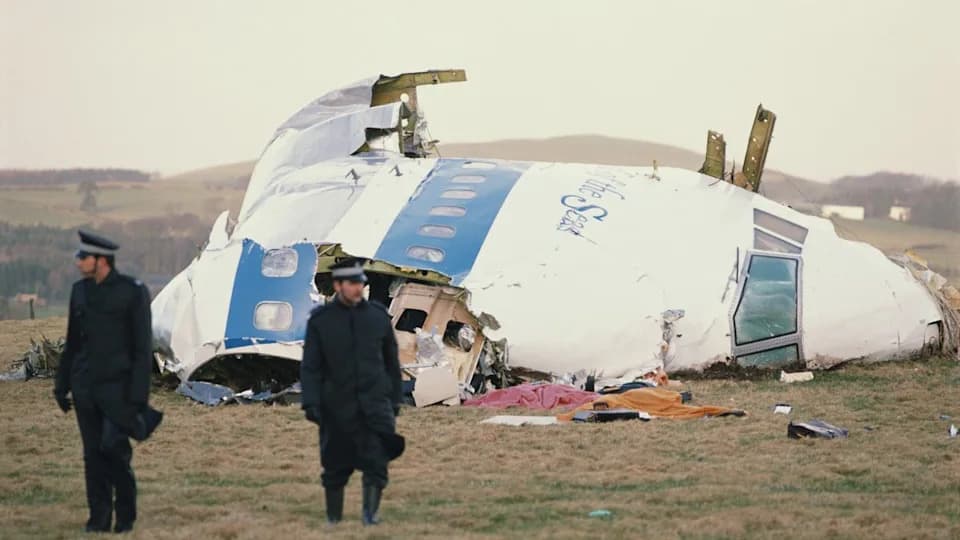
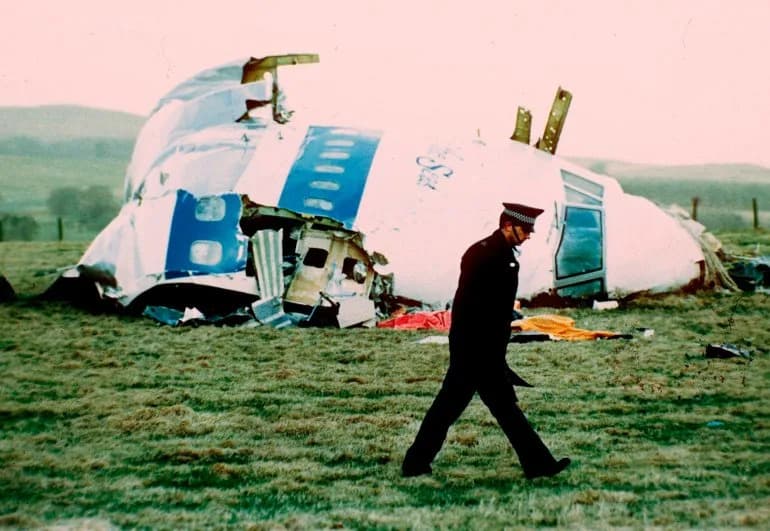
Officials inspect the wreckage of Pan Am flight 103 on 21 December 1988 [Getty Images]
In December 1988, Pan Am Flight 103 exploded over the Scottish town of Lockerbie, killing 259 people on board and 11 on the ground. For many years the case seemed settled after the 2001 conviction of Libyan intelligence officer Abdelbaset al‑Megrahi. But new documents and renewed legal action have reopened debate about who was really responsible.
Why the Case Still Matters
The conviction of Megrahi remains the only criminal verdict in the Lockerbie atrocity, yet doubts have persisted. Some victims' relatives accept the court's decision, while others—most prominently Jim Swire, who lost his daughter Flora—have long challenged the official narrative. Swire and a number of former intelligence officers believe alternative lines of inquiry deserve serious consideration, including possible involvement by Iran and proxy groups.
New And Old Evidence
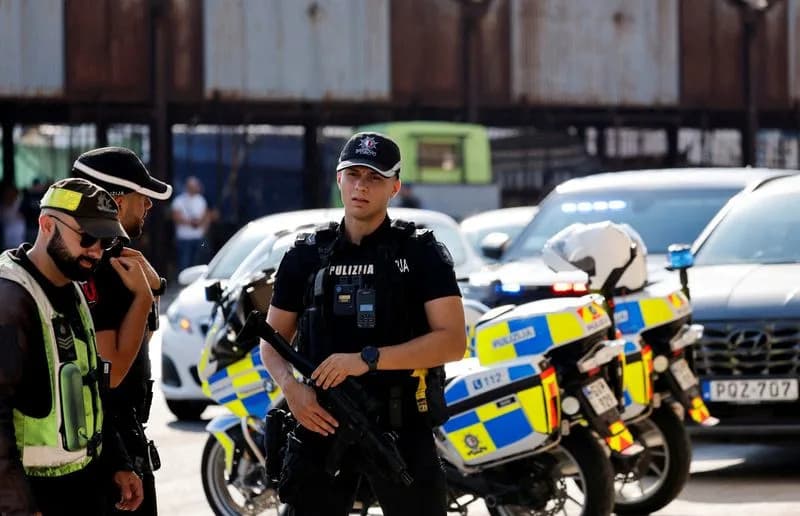
Two strands of material have been central to renewed attention: declassified CIA cables from the period and leaked documents allegedly from Libya's security apparatus known as the "Senussi Files." The CIA cables record conversations with an informant, Abdul Majid Giaka, who placed Megrahi in Malta at a relevant time and referenced orange‑coloured explosives—semtex—reported to be stored at Malta's Luqa Airport. At the 2001 trial, judges judged portions of Giaka's testimony to be unreliable.
The so‑called Senussi Files are copies of Libyan internal intelligence papers reportedly linked to Abdullah Senussi, head of Gaddafi's security services. Investigative journalists who examined these copies say they detail planning for long‑delay suitcase bombs, tests hiding devices in tape recorders and movements of suspects including Megrahi and Abu Agila Masud. Journalists who reviewed the files say some details align with the CIA cables, offering independent corroboration of certain elements.
Conflicting Views And Unanswered Questions
Not everyone finds the new material persuasive. Critics note the Senussi Files available to journalists are copies, not original documents, meaning forensic verification is limited and admissibility in court is uncertain. Jim Swire, despite acknowledging the painstaking work of researchers, remains sceptical and warns against accepting convenient explanations without independent proof. Former investigators, including Dick Marquise of the FBI, say other leads—such as the PFLP‑GC cell disrupted in Germany—were followed but produced no prosecutable evidence.
"Discovering the truth became my way of handling the consequences of the grief reaction," says Jim Swire, describing how personal loss drove his search for answers.
What Comes Next
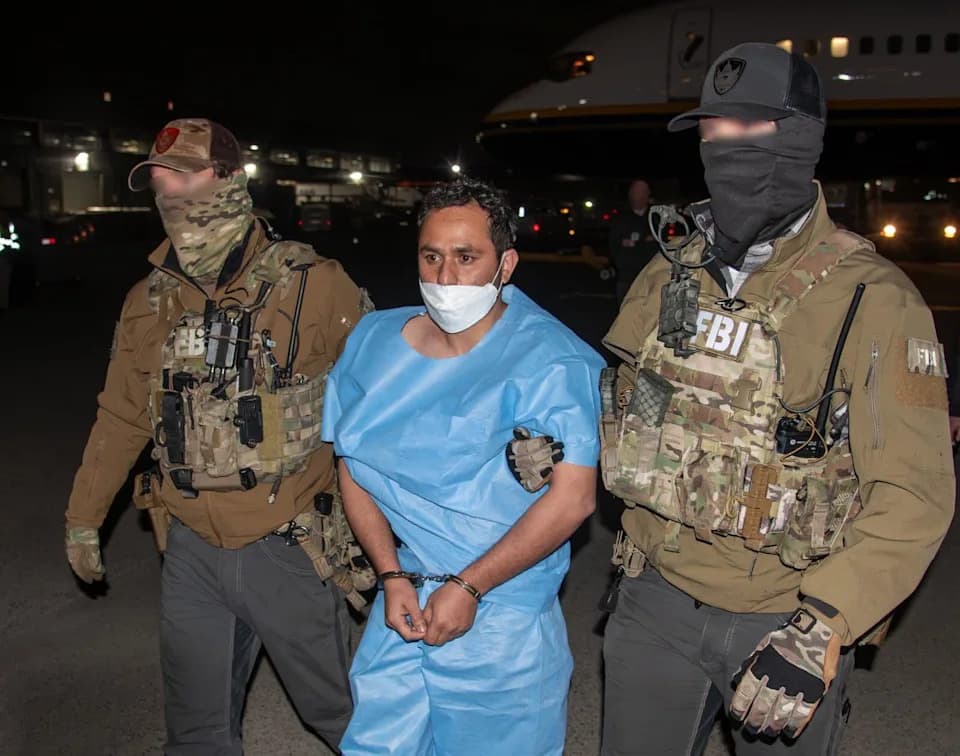
Abu Agila Masud, accused of assembling the bomb, is scheduled to stand trial in Washington, D.C. The proceedings are expected to revisit historical evidence, possibly including material from the original investigation and the newly reported intelligence files. If the Senussi Files are authenticated and admitted, they could bolster arguments that Libyan intelligence played a direct role; if they are rejected, the files may deepen the sense of uncertainty that has surrounded Lockerbie for decades.
Whatever the legal outcome, renewed scrutiny will reopen painful memories for victims' families and likely revive public debate about intelligence, accountability and how complex international terrorist investigations are conducted and interpreted.
Key People Mentioned
Abdelbaset al‑Megrahi — Only person convicted in the Lockerbie case (2001).
Jim Swire — Father of victim Flora Swire and prominent campaigner questioning the conviction.
Abdul Majid Giaka — Former informant whose CIA cables were later described as unreliable by trial judges.
Abu Agila Masud — Accused of manufacturing the Lockerbie bomb; due to stand trial in the U.S.
Vincent Nouzille — French investigative journalist who studied copies of the Senussi Files.
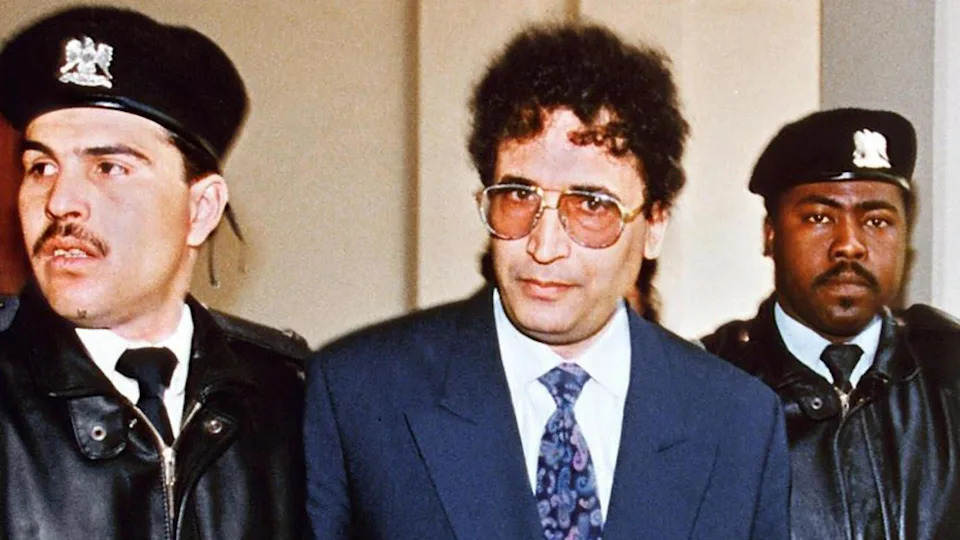
Abdelbaset al-Megrahi was the only man convicted of the Lockerbie bombing [Getty Images]
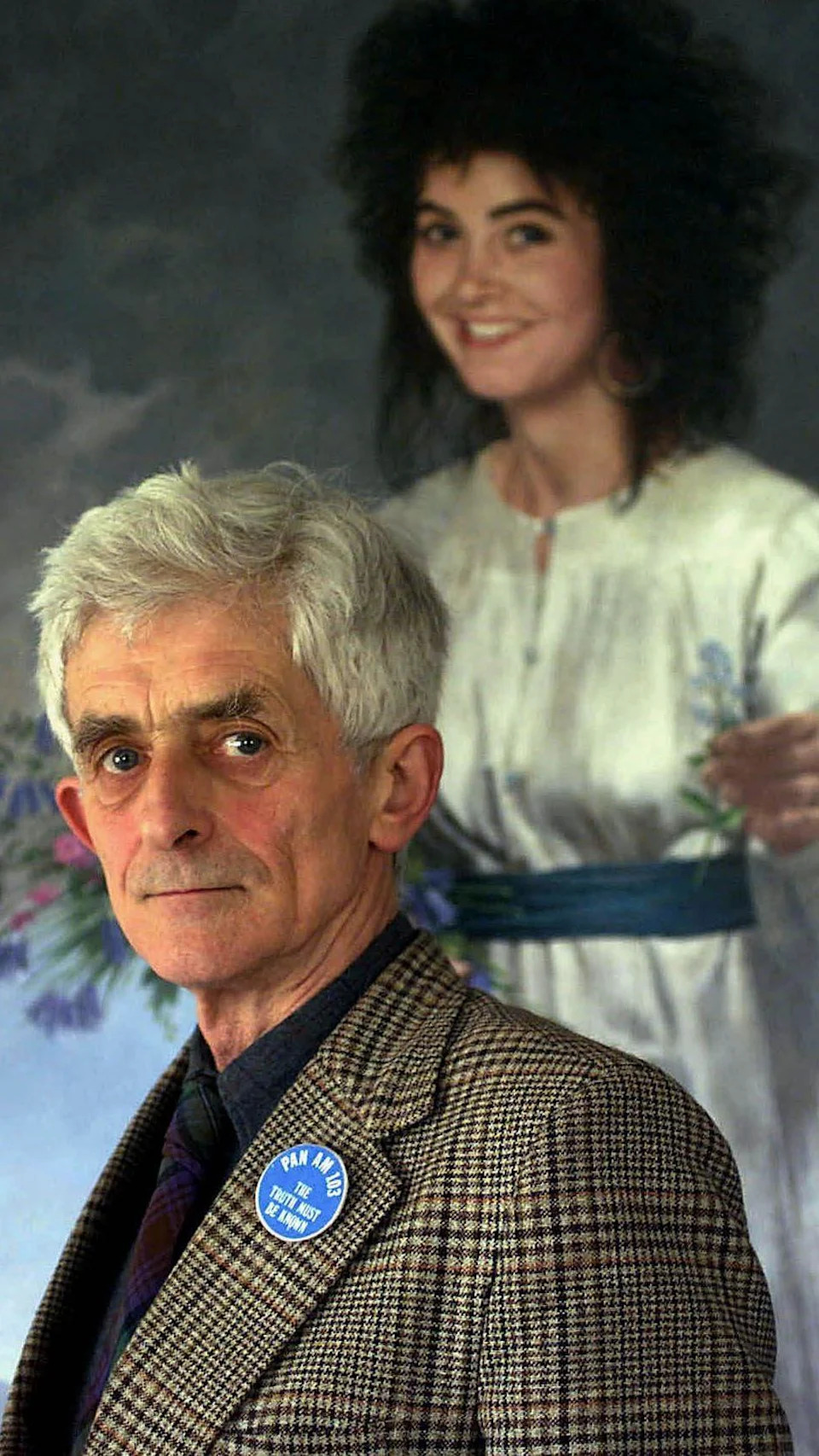
Jim Swire's daughter Flora died in the Lockerbie bombing [Getty Images]
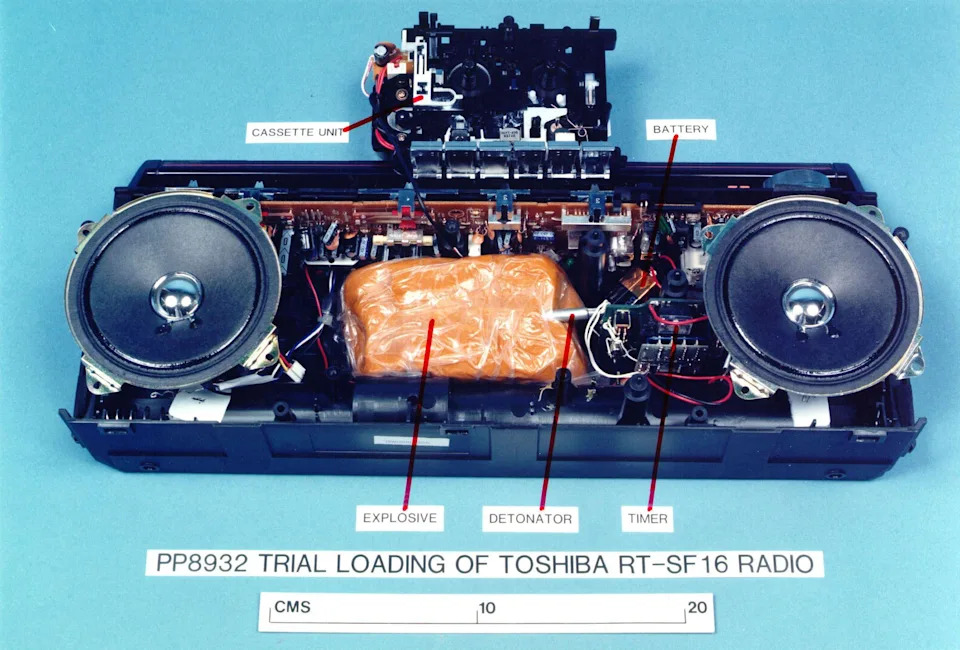
A mock-up of the explosives-loaded Toshiba cassette recorder which blew up Pan Am Flight 103 [Getty Images]
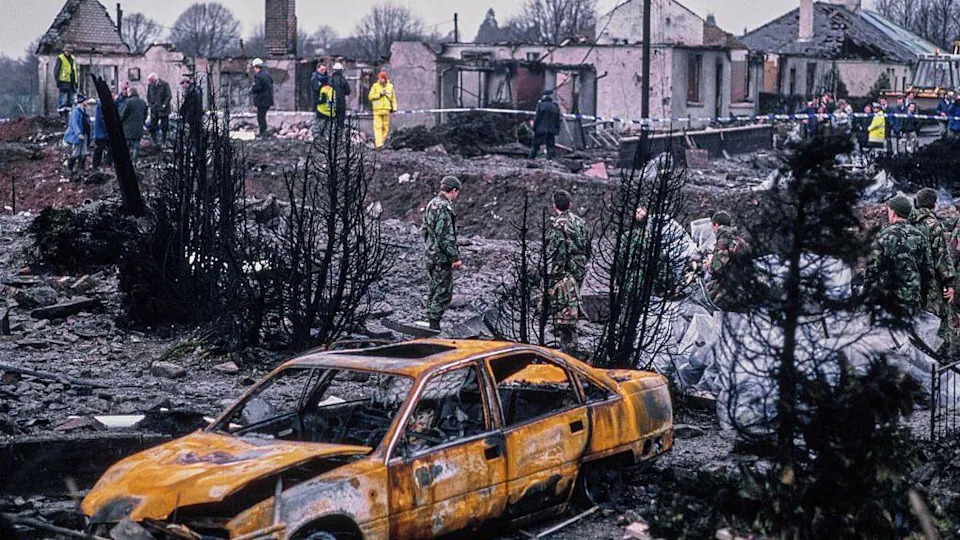
Members of the armed forces collect debris from residential gardens after the mid-air explosion of Pan Am Flight 103 [Getty Images]
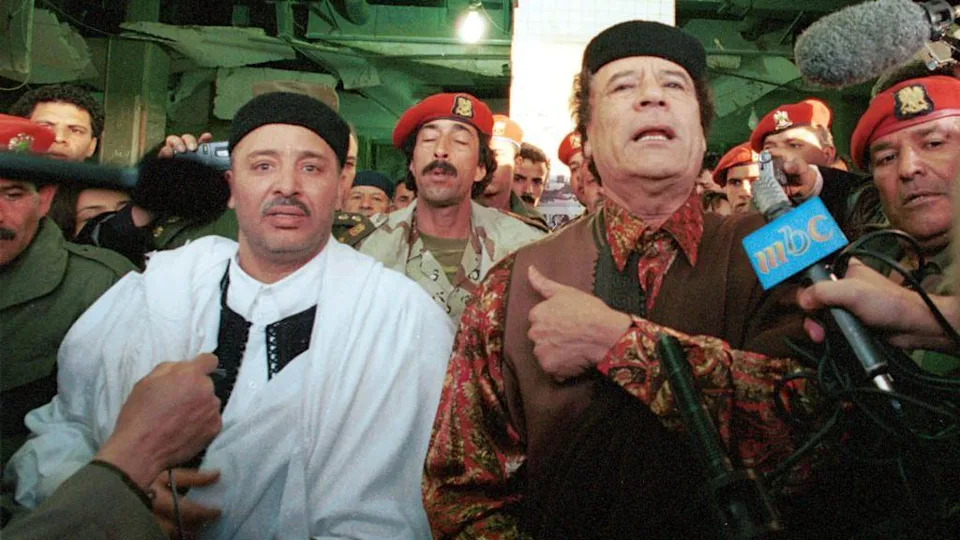
Lockerbie bombing accused Lamin Khalif Fhimah (left) with Libyan leader Colonel Gaddafi after his acquittal in 2001 [Getty Images]
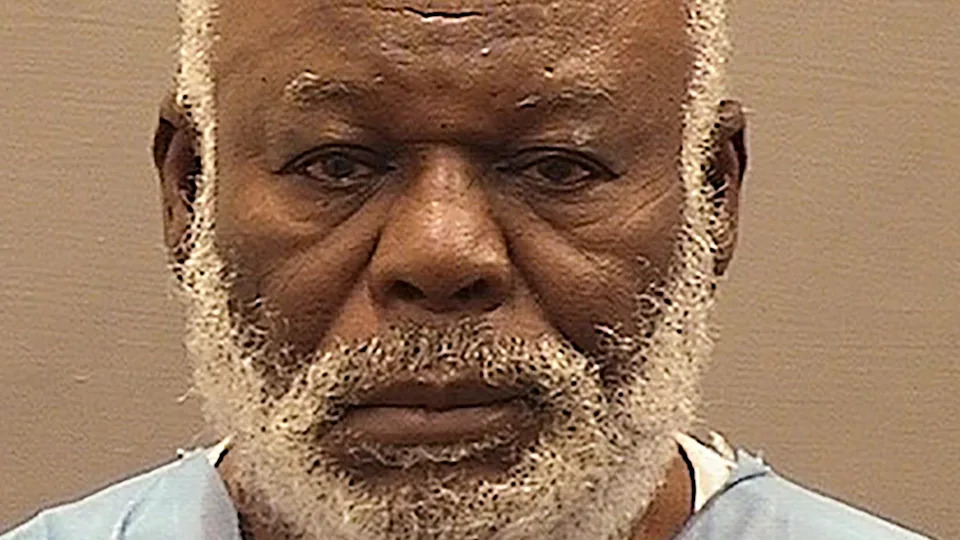
Abu Agila Masud is accused of making the bomb that blew up Pan Am flight 103 [Reuters]
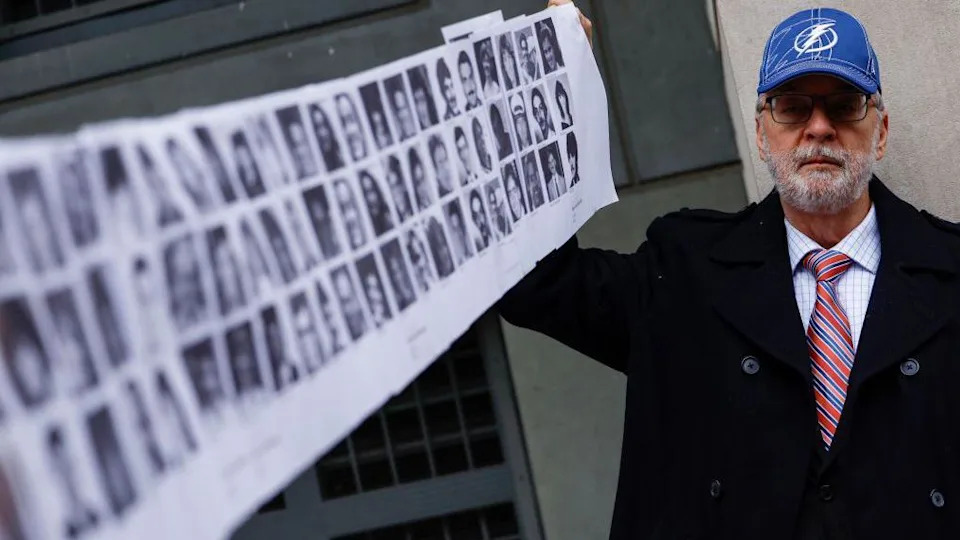
Paul Hudson, whose daughter Melina was one of the victims, holds up a banner outside the federal court in Washington DC [Getty Images]
Help us improve.