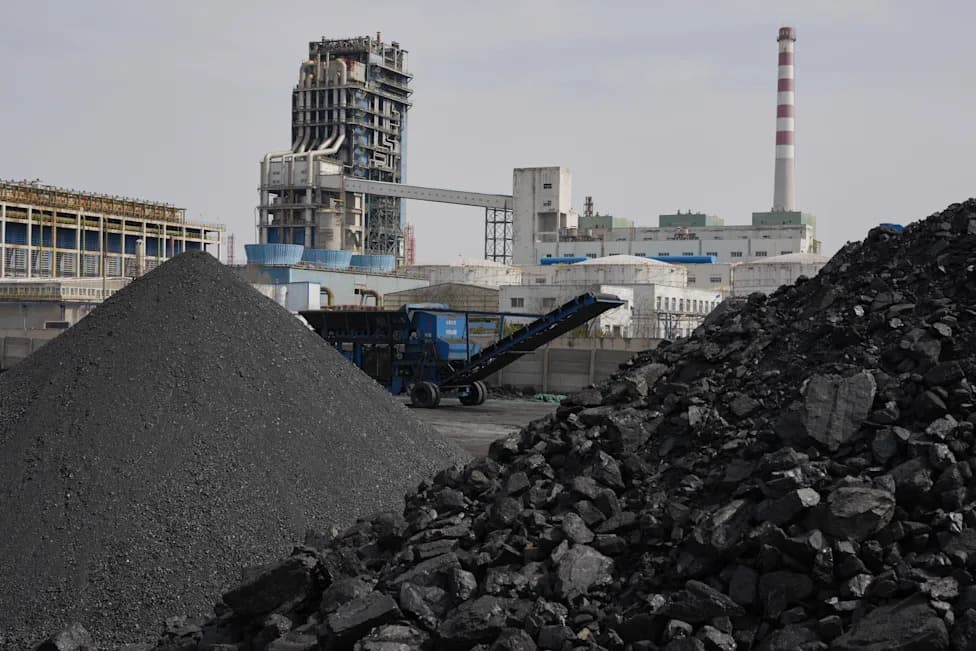
Energy Crossroads from WWF-Australia finds the government backs fossil fuels to the tune of A$20.1bn a year versus A$4.6bn for renewables and warns this split could cost Australia up to A$70bn in export value by 2035 as Asian demand shifts. The report highlights falling LNG exports, delayed import terminals in Asia, and high Australian LNG costs, while noting strong domestic renewable progress (46.5% of NEM electricity in Q1 2026). It urges clear decline timelines for coal and gas, redirected subsidies, and a ban on approvals that conflict with transition pathways.
Report: Australia Gives Fossil Fuels Four Times More Support Than Renewables, Risking Billions in Exports
Fossil fuels in Australia receive four times more government support than renewables, report finds
A new WWF-Australia report, Energy Crossroads, finds that Australian federal and state governments provide about A$20.1bn a year in support for fossil fuels versus roughly A$4.6bn for renewable energy. The analysis warns that this split — described by the report as a strategic 'hedge' — undermines the country’s credibility as a clean-energy partner and risks tens of billions in future export revenue as Asian demand shifts.
The report’s figures include subsidies, tax concessions and direct government spending at both state and federal levels. Analysis commissioned for the study by consultancy Cyan Ventures estimates Australia could forfeit up to A$70bn in fossil fuel export value by 2035 if demand in Asia transitions toward lower-carbon energy sources.
International Role and COP31
The report was published months before Australia takes charge of negotiations connected to this year’s UN climate summit, COP31, which runs from 9 to 20 November in Antalya, Türkiye. Under an uncommon arrangement, Türkiye will host the conference while Australia leads the negotiations and prepares the summit texts; Australia’s climate and energy minister Chris Bowen will lead the talks.
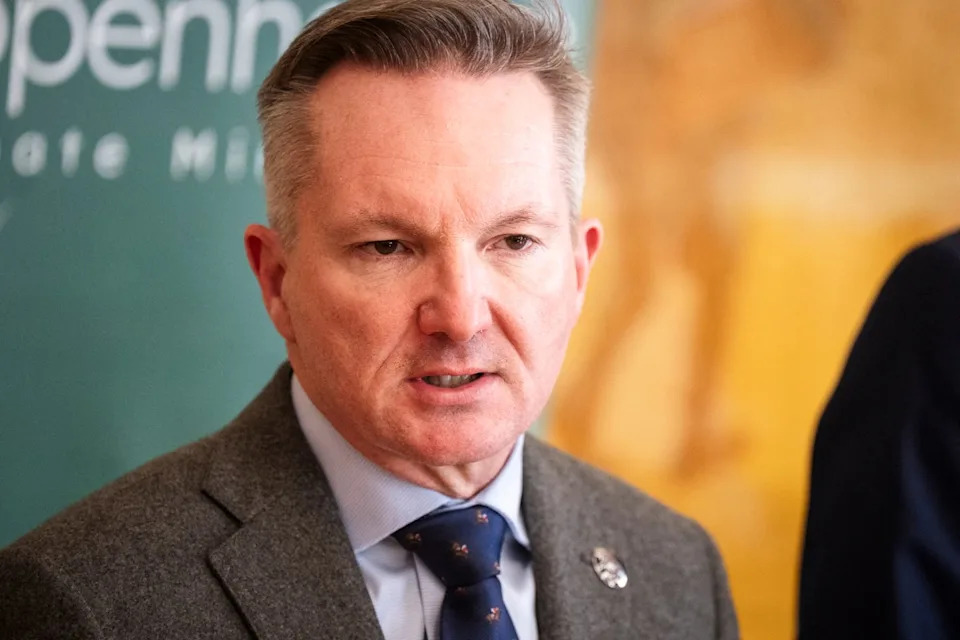
Australia's Minister for Climate Change and Energy Chris Bowen addresses a press conference (AFP/Getty)
Why the Report Warns Against the 'Hedge'
WWF-Australia argues that supporting both expanding fossil fuel production and renewable deployment is not neutral. Green and fossil industries compete for the same capital, policy attention and infrastructure, which can send mixed signals to investors and trade partners.
“Australia is pulling in two directions at once,” said Rob Law, WWF-Australia's senior manager for energy transition. “We can no longer afford to position ourselves as a renewable energy partner while simultaneously propping up and expanding fossil fuel production.”
Market Trends and Risks
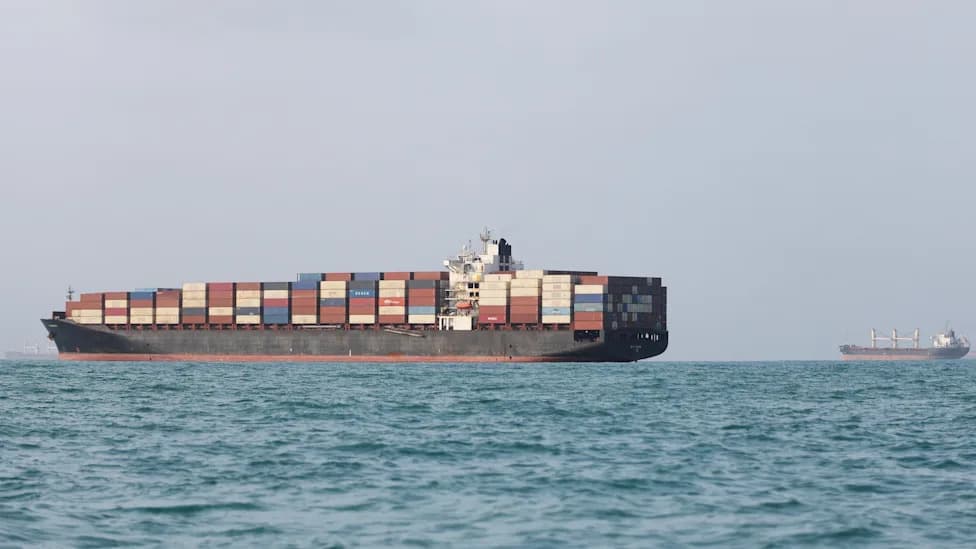
The report highlights that demand for Australian coal and gas is already softening: Australian LNG exports and Asian LNG imports fell in 2025, several planned LNG import terminals across Asia have been delayed or cancelled since early 2026, and modelling indicates metallurgical and thermal coal demand in China, Japan and India could begin to decline within five years and fall sharply by 2050 under likely pathways.
Australia also faces cost pressures. Its LNG production and liquefaction costs are among the highest of major exporters, increasing the risk of lost market share to cheaper suppliers in the US and Qatar even if the global market shrinks.

Climate protestors dance as they continue their attempt to disrupt the access to Newcastle coal port in protest for climate action at Horseshoe Beach on 30 November 2025 in Newcastle, Australia (Getty)
Domestic Progress and Fiscal Questions
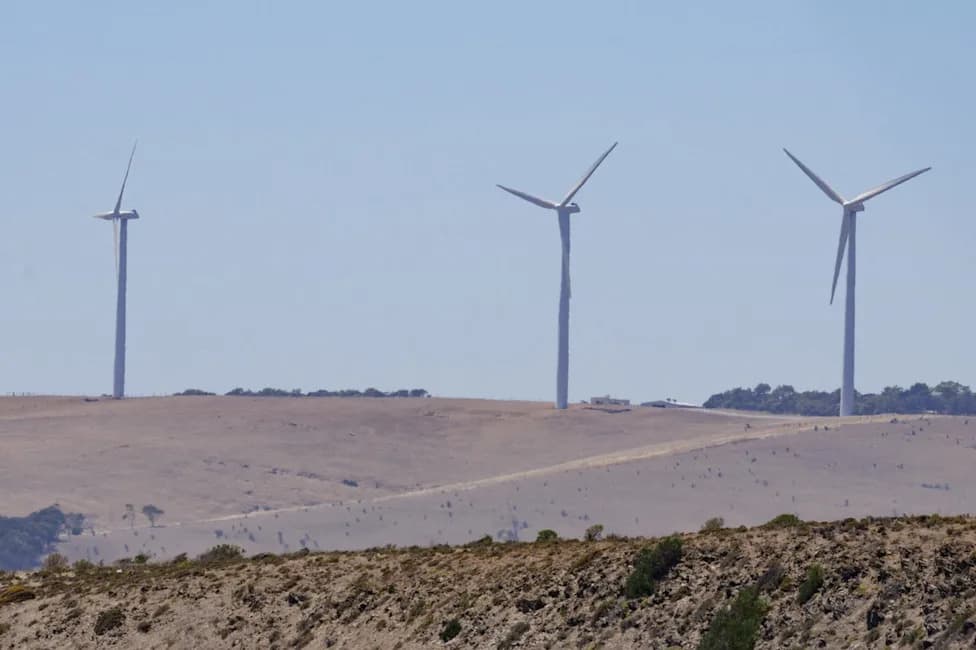
At home, Australia’s transition is progressing rapidly: renewables supplied a record 46.5% of electricity in the National Electricity Market in Q1 2026, and more than 400,000 household batteries have been installed through a federal programme. Yet the report questions how much fossil fuels ultimately deliver to the public purse once subsidies are included. It estimates the net fiscal contribution of fossil fuels at about A$23bn a year, compared with an estimated social cost of emissions of A$112bn annually.
“This is a lose-lose strategy. Australia will be outpaced and less competitive in emerging green industries and tied to increasingly uncertain fossil fuel markets,” said Camille Malbrain, WWF-Australia's renewable exports manager.
Recommendations
Energy Crossroads calls on the Australian government to:
- Plan a managed decline for thermal coal, metallurgical coal and gas with clear timelines;
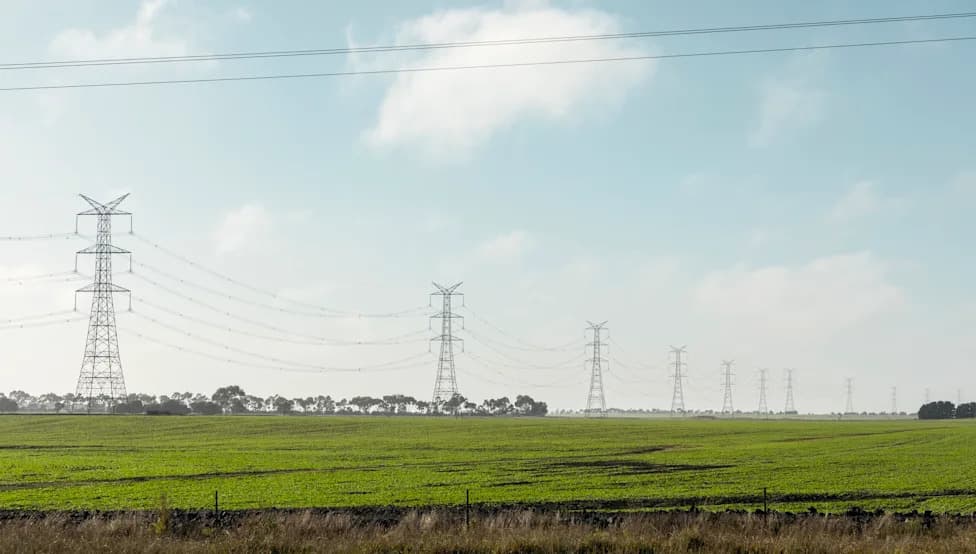
- Accelerate investment in renewable generation, electrification and grid infrastructure;
- Redirect subsidies and public finance toward the energy transition; and
- Adopt a rule barring new coal and gas approvals that conflict with transition pathways.
The government has defended supporting LNG exports as a source of revenue, royalties and jobs. Industry and government ministers have argued it is possible to back both export industries and a domestic renewables transition, a position the report disputes as strategically inconsistent.
The Independent has contacted Australia’s climate change minister, Chris Bowen, for comment.
Help us improve.