Summary: U.S. intelligence officials told The New York Times they assess Mojtaba Khamenei is more interested in acquiring a nuclear weapon than his predecessor, based largely on pre-war intercepts and damage assessments. Although Iran has not publicly resumed enrichment, it reportedly moved centrifuges to fortified underground sites like "Pickaxe Mountain" to preserve capabilities. Officials warn protective measures and strengthened hardline influence could shorten any future delay to weapons development. Many details remain classified and some reports about leadership casualties are unverified.
U.S. Intelligence: Iran's New Supreme Leader Appears More Focused On Nuclear Arms Than His Father
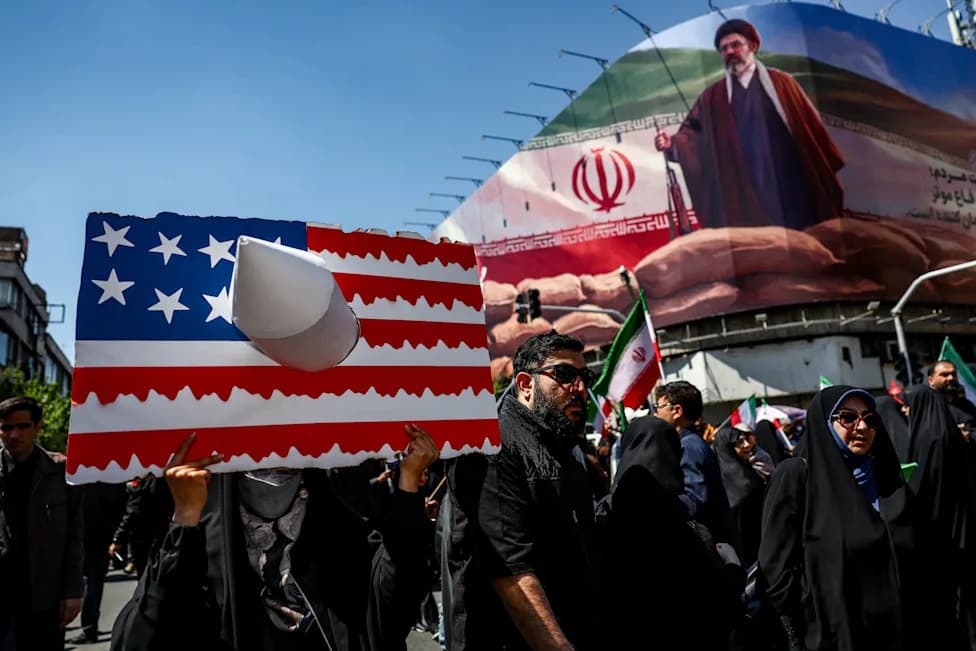
A person holds a placard representing a US flag, with an image of Iran
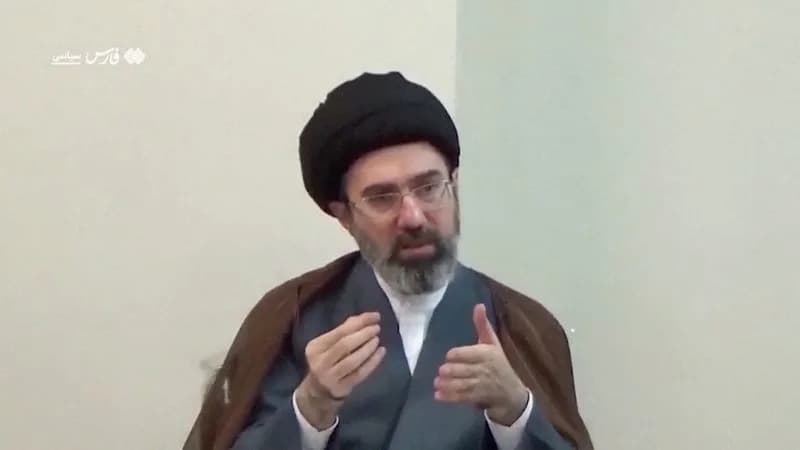
U.S. intelligence agencies told The New York Times they assess that Iran's new supreme leader, Mojtaba Khamenei, appears more intent on acquiring a nuclear weapon than his father and predecessor, Ayatollah Ali Khamenei. Officials say this judgment relies heavily on intercepts and statements collected before the current conflict, together with post-strike damage assessments.
Context and Uncertainty
Some accounts have said a strike in February injured Mojtaba Khamenei and killed his father; these claims remain unverified and conflict with public records. U.S. officials who briefed reporters added that the new leader has largely kept a low profile and limited his communications out of concern about being targeted by further strikes.
Intelligence Assessments
Analysts report that Iran has not publicly resumed formal uranium enrichment or declared an overt weapons-development program. Still, U.S. officials say Tehran has taken steps to preserve damaged nuclear infrastructure following U.S. and Israeli strikes. One such reported step was relocating centrifuges and related equipment into a heavily fortified underground facility known in reporting as "Pickaxe Mountain," which could help Iran retain the ability to return to enrichment if it chose.
According to the assessments, had Iran immediately repaired facilities and restarted enrichment after the strikes, its nuclear timetable might have been delayed by roughly six months. The protective measures now in place could reduce that setback if Tehran decides to accelerate work.
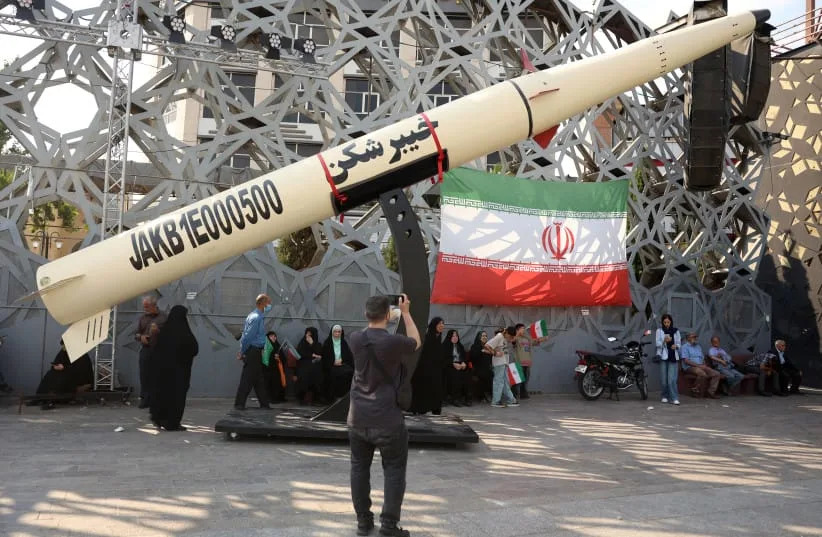
Iranians stand next to a symbol of a Kheibar missile as they take part in a rally in support of the country's Supreme Leader Mojtaba Khamenei and commemorate Eid al-Ghadir in Tehran in June. (credit: AFP VIA GETTY IMAGES)
Leadership, Objectives and Internal Politics
While Ayatollah Ali Khamenei publicly denied seeking a nuclear weapon during his tenure, Iran continued to develop nuclear capabilities. U.S. intelligence officials cite intercepted communications and public statements collected before the conflict indicating Mojtaba Khamenei showed less public hesitancy and expressed interest in expanding enrichment and weapons-related programs.
By the end of the previous U.S. administration, some American officials believed Iran was exploring a rudimentary nuclear device. Current briefings indicate the new supreme leader may be more inclined to support efforts toward a far more powerful thermonuclear warhead that could be mated to a long-range missile, though such efforts would face substantial technical and practical hurdles.
Analysts also warn that hardline figures who argue a nuclear weapon is the only credible deterrent to U.S. or Israeli action may have strengthened their influence under Mojtaba Khamenei, potentially accelerating internal momentum for weapons development.
"These assessments are based on a mix of pre-war intercepts, public statements and post-strike damage reviews," officials told The New York Times. "Intelligence judgments can change as new information becomes available."
Public Response
Domestically, public rallies have shown support for the new leader; June demonstrations included imagery such as the Kheibar missile. However, independent verification of many aspects of the intelligence picture is limited in the public domain.
Bottom Line: U.S. intelligence officials judge that Mojtaba Khamenei may be more willing than his father to pursue advanced nuclear options, but key details remain classified, the reporting contains unresolved claims about leadership casualties, and the overall picture could change with new information.
Help us improve.