New AUT testing cited by The Guardian found asbestos fibres were released from nine out of 10 craft sand samples during ordinary handling, contradicting earlier reassurances that fibres would only become airborne if the sand was mechanically processed. Tens of thousands of boxes were sold over more than five years and used in hundreds of schools and childcare centres in Australia and New Zealand. Regulators and retailers have revised recall wording, and WorkSafe NZ says affected products should be treated as friable asbestos until proven safe.
Asbestos Found in 9 of 10 Boxes of Children's Craft Sand After 'Low-Risk' Assurances
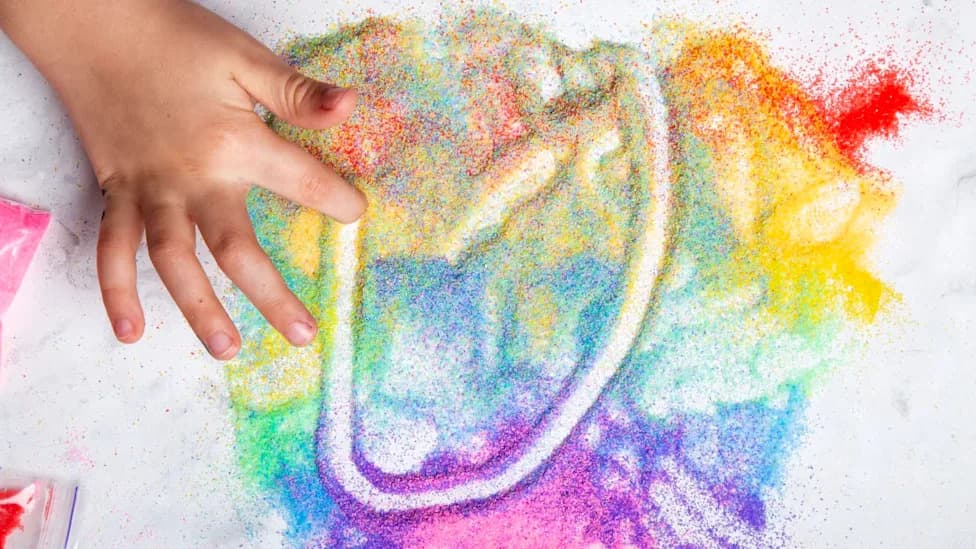
Photo Credit: iStock
Parents and schools across Australia and New Zealand were repeatedly reassured that craft sand contaminated with asbestos posed only a low risk to children. New testing cited by The Guardian, however, found that nine out of 10 samples released asbestos fibres into the air during ordinary handling and play — contradicting earlier safety messages.
What New Tests Show
Testing conducted by Auckland University of Technology (AUT) indicated that routine handling — not just heavy mechanical processing such as crushing or pulverising — can release respirable asbestos fibres. The findings prompted revisions to official recall notices and fresh scrutiny of how authorities and suppliers communicated the risk.
How The Risk Was Presented
The Australian Competition and Consumer Commission (ACCC) initially published recall wording that echoed a risk assessment commissioned by supplier Educational Colours. That assessment claimed asbestos fibres would not be expected to become airborne unless the sand was processed by mechanical means. The assessment reportedly relied on existing laboratory results and conversations with a company representative rather than fresh testing or a physical inspection of the affected batches.
Scale And Exposure
Before recalls began in November 2025, tens of thousands of boxes of the craft sand had been sold over more than five years. The products were reported to have been used in hundreds of schools and childcare centres across Australia and New Zealand, raising concerns about potential exposure for children and staff.
Responses From Authorities And Retailers
After The Guardian contacted retailers, the ACCC said Kmart and Officeworks agreed to revise recall notices to remove the statement that 'importantly, respirable asbestos has not been detected in any of the tested samples.' The ACCC said it continues to engage with suppliers on recall wording.
New Zealand officials also urged suppliers to change safety messaging after the AUT findings. A WorkSafe NZ spokesperson said any potentially affected sand products 'must be managed, removed and disposed of as friable asbestos-containing material until proven otherwise.'
Health Risks And Context
Inhaled asbestos fibres are well established as causing serious health problems, including lung disease and mesothelioma. Australia banned asbestos in 2003, with only very limited exemptions.
"I'm not an expert here — but even to me reading it, it felt like this was not an appropriate document to rely on for the kinds of public messaging," said Christchurch parent David Dingwall after learning his twins had used potentially contaminated sand.
What Parents, Schools And Care Centres Should Do
Authorities recommend treating any potentially affected product as friable asbestos-containing material until testing proves otherwise. Parents and institutions that suspect exposure should follow official guidance from local health and safety agencies and contact their retailer or local regulator for next steps, including product disposal and health advice.
Note: Reporting on this issue continues to develop as regulators, suppliers and independent labs follow up on AUT's findings.
Help us improve.