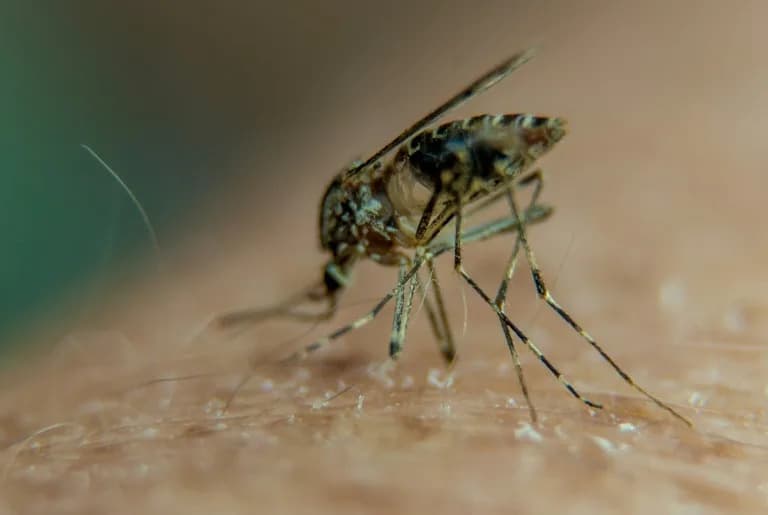
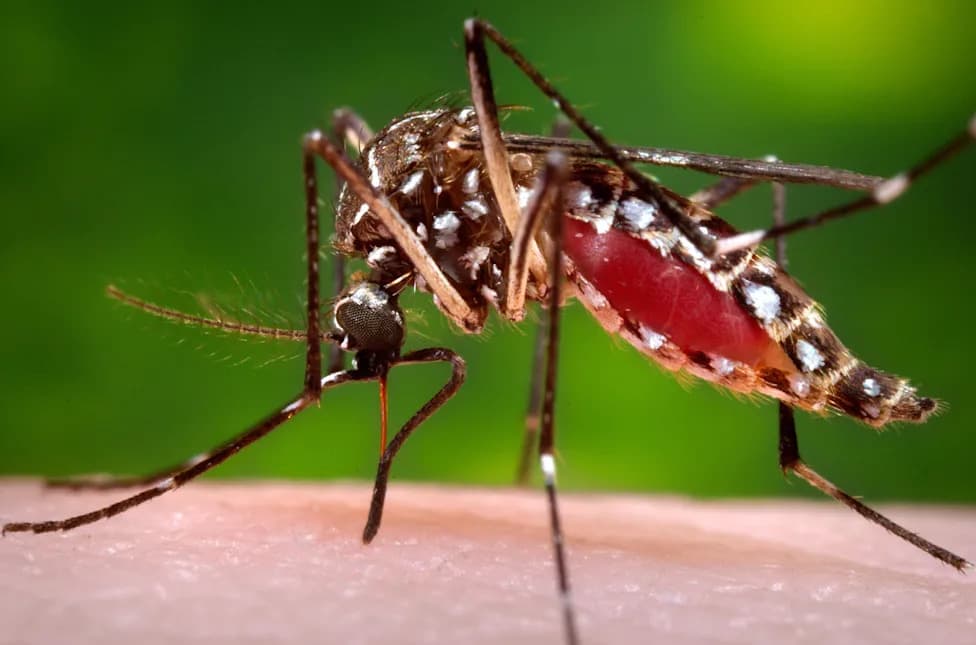
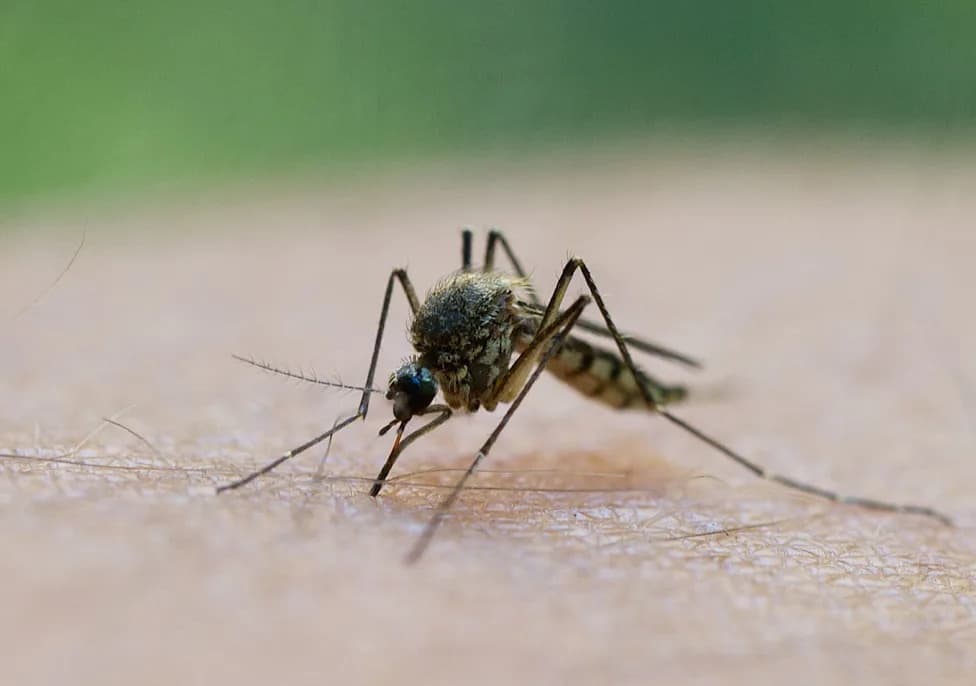
The WHO has reported an increase in West Nile virus cases in southern Europe, notably in Greece and Italy, as the seasonal risk period begins. Greece confirmed 14 cases last week (21 this year, with 13 hospitalised and three in ICU); Italy reported 21 cases across 17 regions. Most infections are mild or asymptomatic, but about one‑fifth develop flu‑like symptoms and a small proportion can suffer severe neurological illness. There is no vaccine; health authorities advise mosquito‑bite prevention and prompt medical attention for worrying symptoms.
WHO Warns Of Rising West Nile Virus Cases In Southern Europe As Season Begins
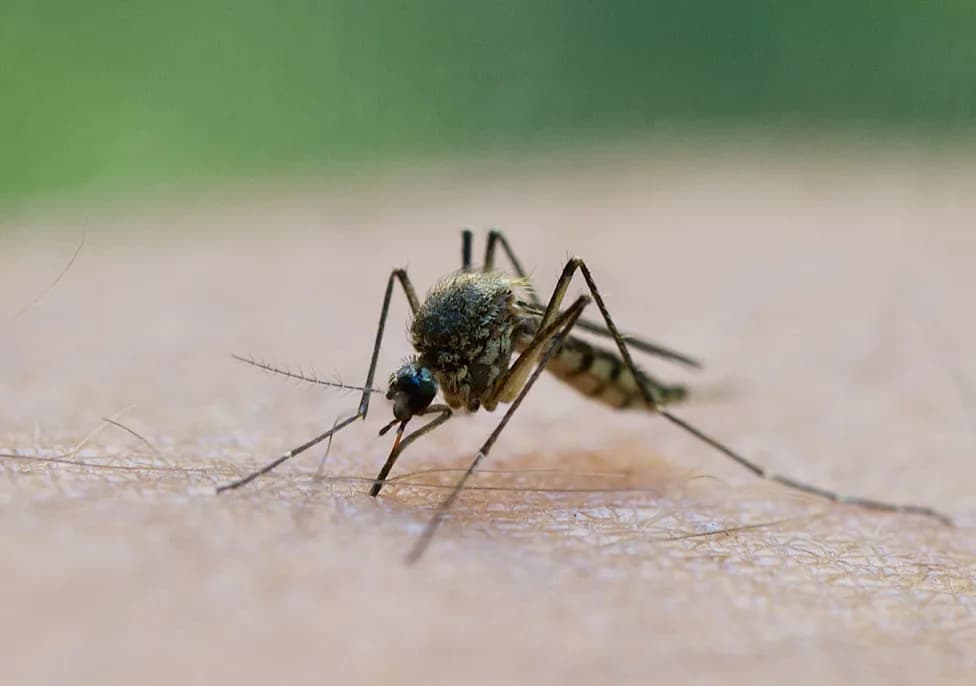
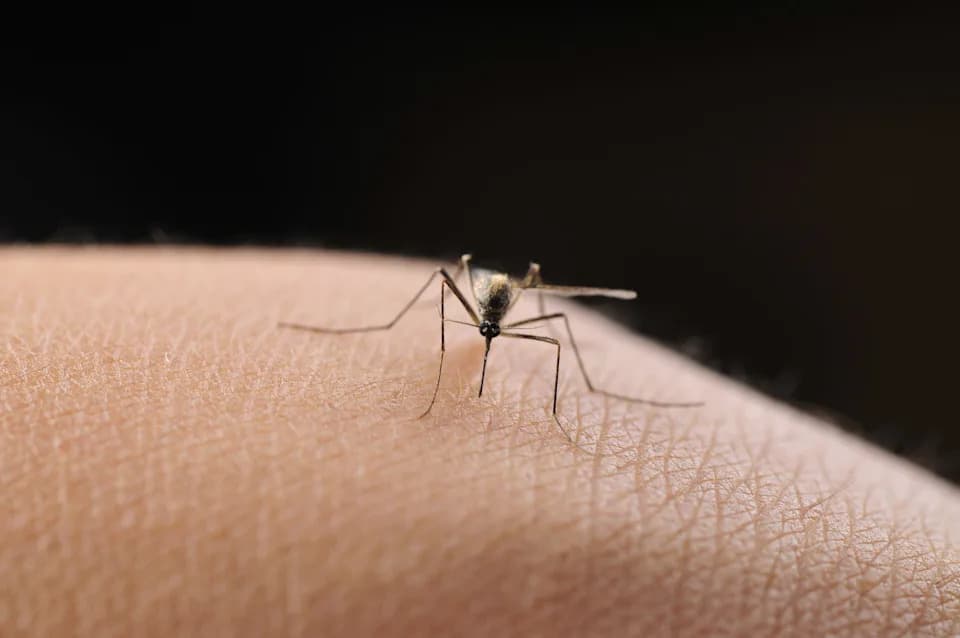
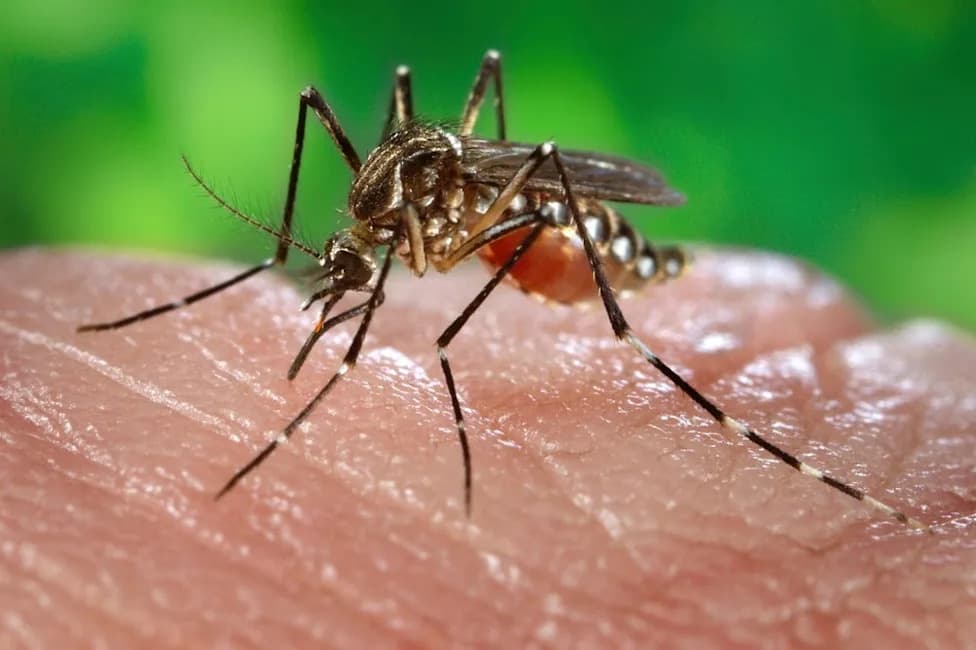
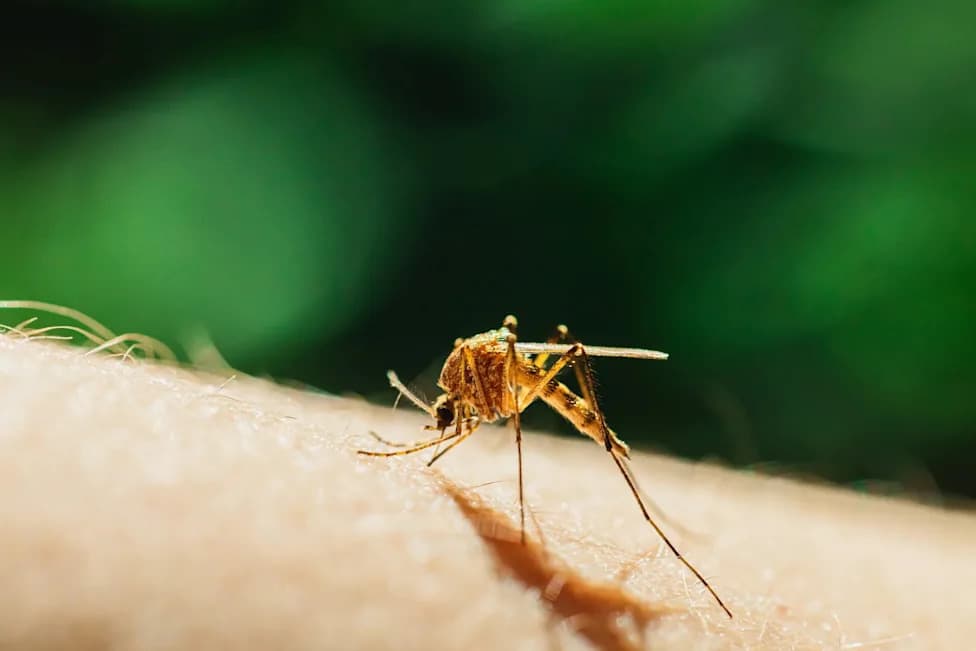
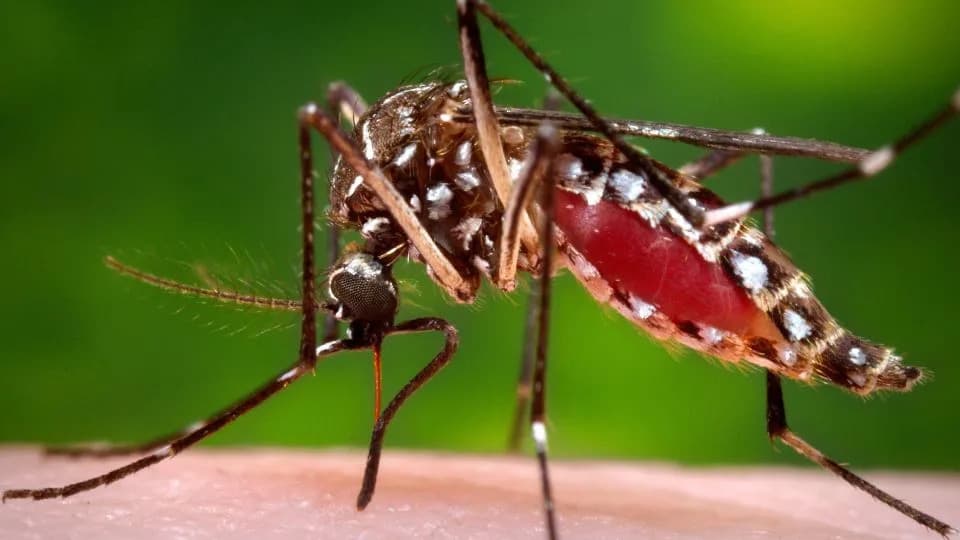
A Mosquito sucks blood off a man's arm. Seven people have died from the West Nile virus in Greece this year, according to a report by the health authority EODY. (is associated with: «West Nile virus cases rise across parts of Europe, says WHO») Patrick Pleul/dpa
The World Health Organization (WHO) is urging increased vigilance after reporting a rise in West Nile virus (WNV) infections in parts of southern Europe as the seasonal risk period gets under way.
The WHO Regional Office for Europe in Copenhagen said infections linked to the mosquito‑borne virus have climbed in recent weeks, with Greece and Italy among the most affected countries so far.
Recent Cases
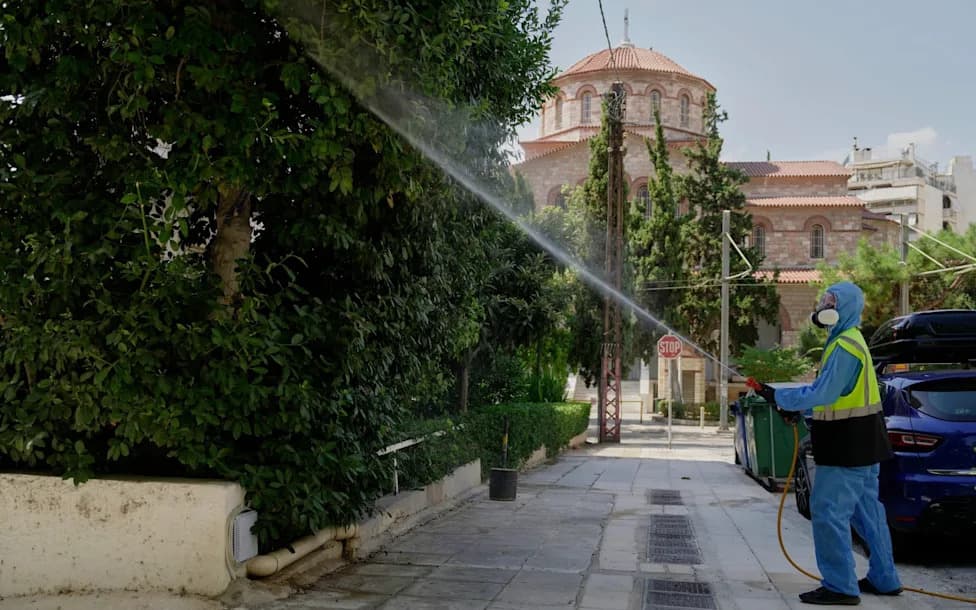
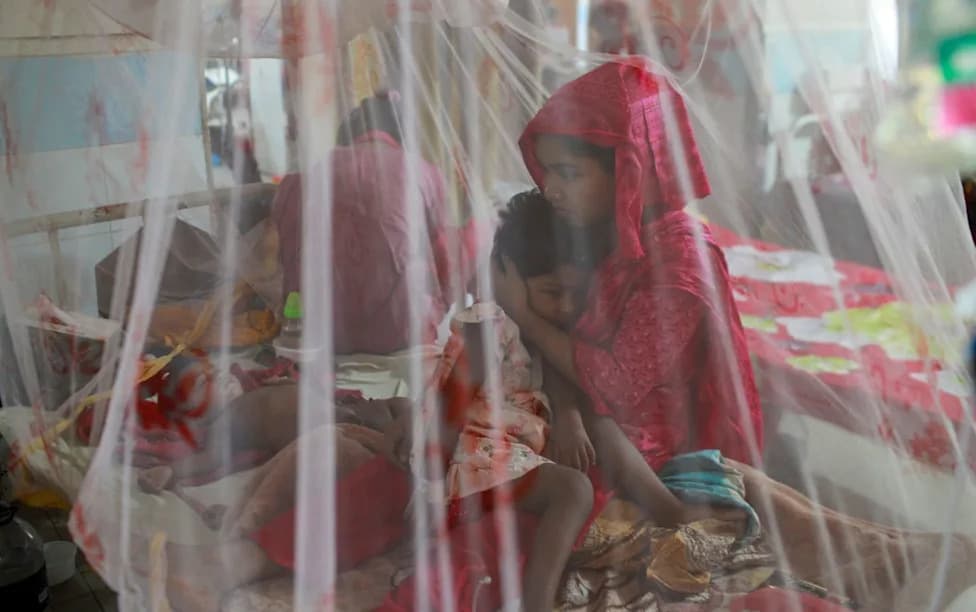
In Greece, 14 cases were confirmed last week alone, bringing the total since the start of the year to 21. The Greek National Public Health Authority reported that 13 of those patients remained hospitalised, including three in intensive care.
Italy has reported 21 cases across 17 regions. Spain, Romania and North Macedonia reported two cases each. Germany's Robert Koch Institute (RKI) said two cases have been recorded in Germany this year so far — both infections were acquired while travelling abroad.
How West Nile Virus Spreads And Who Is At Risk
The WHO explains that WNV normally circulates between birds and mosquitoes. Infected mosquitoes can bite people and transmit the virus, with most human cases occurring between July and September.
According to the RKI, most infected people do not realise they have the virus and many infections go unreported. About one‑fifth of infected people develop flu‑like symptoms within two to 14 days of exposure. In a small proportion of cases the virus can affect the nervous system, causing serious conditions such as encephalitis or meningitis. There is currently no vaccine or specific antiviral treatment; medical care focuses on supportive treatment of symptoms.
Warnings And Advice
"Anyone who develops a high fever, rash or neck stiffness after a mosquito bite should see a doctor without delay," WHO Regional Director Hans Henri Kluge said.
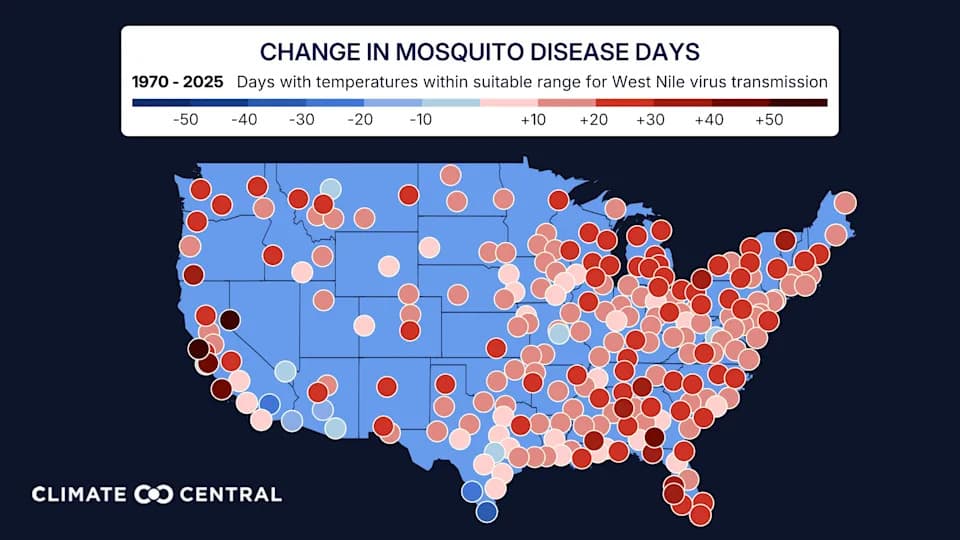
The WHO notes the risk of infection may be increasing due to longer, hotter summers, which can extend mosquito seasons and transmission windows.
Practical precautions: travellers and residents should reduce mosquito exposure by wearing long sleeves and trousers, using effective insect repellents, ensuring window screens are intact, and avoiding outdoor activity at dawn and dusk when mosquitoes are most active. Seek medical care promptly for high fever, rash, severe headache or neck stiffness after a mosquito bite.
Help us improve.