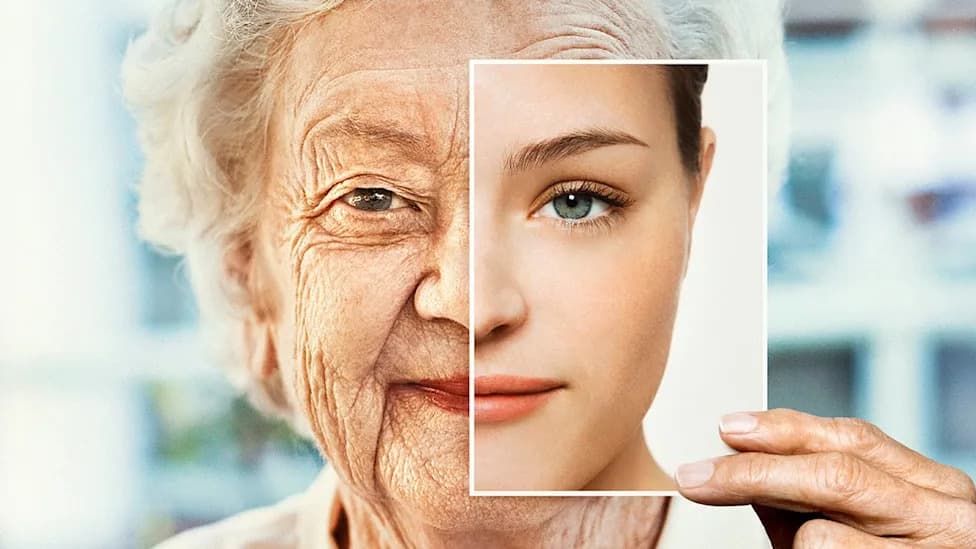
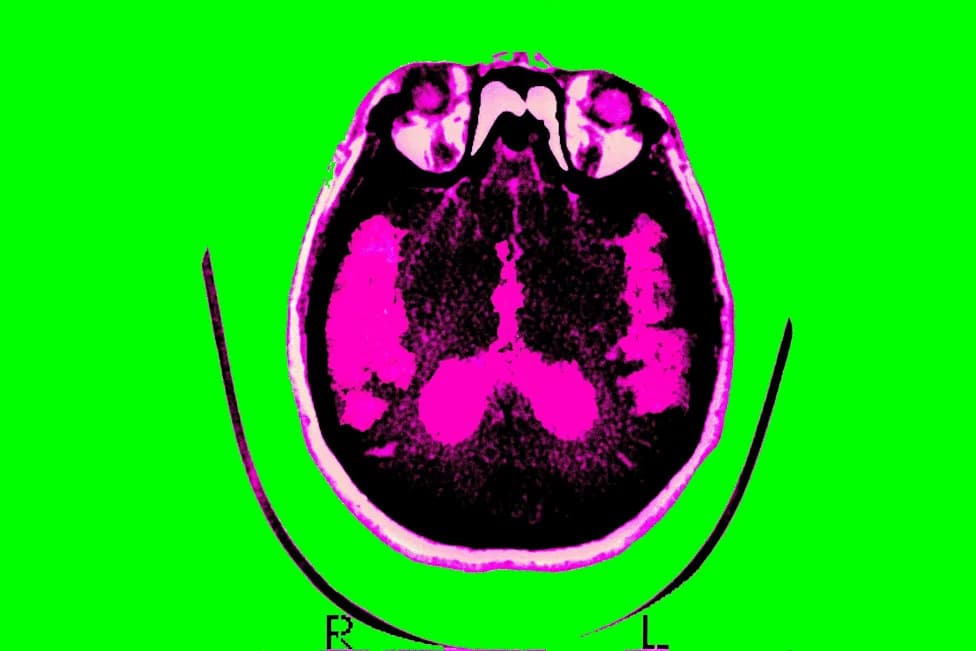
Researchers used AI to identify an enzyme, CMLase, that clears advanced glycation end products (AGEs) from human tissue in laboratory tests. In experiments on donated skin and arteries, CMLase reduced AGE levels in 75-year-old skin to those seen in a 31-year-old. The findings are preclinical and require animal studies and human trials to assess safety and real-world benefit. The work adds to broader research on tissue regeneration and other approaches, including drugs and lifestyle changes, that may slow cellular aging.
New Enzyme, Discovered with AI, Reverses Age-Linked Tissue Damage in Lab Tests

An enzyme might help fight against your body’s aging
Researchers report an encouraging laboratory advance: an enzyme called CMLase can remove age-related compounds from human tissues, restoring some molecular markers of aging to much younger levels. The discovery — led by Revel Pharmaceuticals and described by founder Aaron Cravens — used artificial intelligence to screen microbial DNA and identify candidate proteins that break down advanced glycation end products (AGEs), molecules that accumulate in tissues and promote inflammation and dysfunction.
What Are AGEs and Why They Matter
Advanced glycation end products (AGEs) form when sugars react with proteins, lipids or DNA. Over time AGEs accumulate in skin, arteries and other tissues, contributing to stiffness, inflammation and age-related decline. Clearing AGEs is a promising approach for repairing tissue and improving cellular function.

Exercise and fitness are important factors in slowing our body's aging. Now, researchers say they've found a way to stop building compounds that lead to harmful inflammation (Getty Images for Rock 'N' Roll Marathon)
How the Enzyme Was Found and Tested
The research team used AI to analyze DNA from more than 50,000 microbes to identify enzymes capable of degrading AGEs. The candidate enzyme, CMLase, was then applied to donated human skin and arterial tissue in laboratory experiments. In those tests, CMLase reduced AGE levels in skin from a 75-year-old donor to levels comparable to a 31-year-old.
"What we've shown is that [AGE] damage in human tissue can, in fact, be reversed under laboratory conditions," said Aaron Cravens. He emphasized that while the results are promising, more work and clinical testing are required.
Limitations and Next Steps
These results are preclinical and limited to laboratory tissue samples. Safety, delivery methods, dosing and long-term effects must be established in animal studies and human clinical trials before any therapy could be offered. The team plans further testing to explore treatments for inflammatory eye diseases and other conditions linked to diabetes.
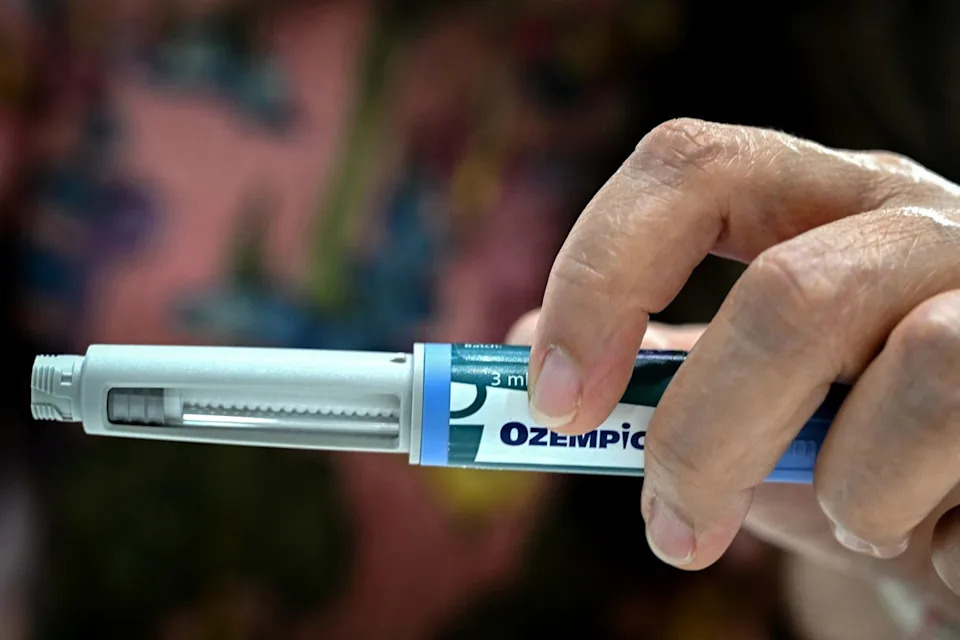
Millions of Americans take popular GLP-1 weight loss drugs. New research shows the drugs may be helping to reprogram cells and boost immune health (AFP/Getty)
Context: Other Approaches to Slowing Cellular Aging
The study complements other research into tissue regeneration and metabolic interventions. For example, recent work suggests widely used GLP-1 weight-loss drugs may help reprogram cells, reduce inflammation and improve immune health, while lifestyle measures — regular exercise, a healthy diet and adequate vitamin B12 — remain important for lowering inflammation and slowing cellular decline.
Bottom line: CMLase represents a promising avenue for targeting a fundamental molecular hallmark of aging, but clinical validation is needed before its potential benefits for human health can be confirmed.
Help us improve.