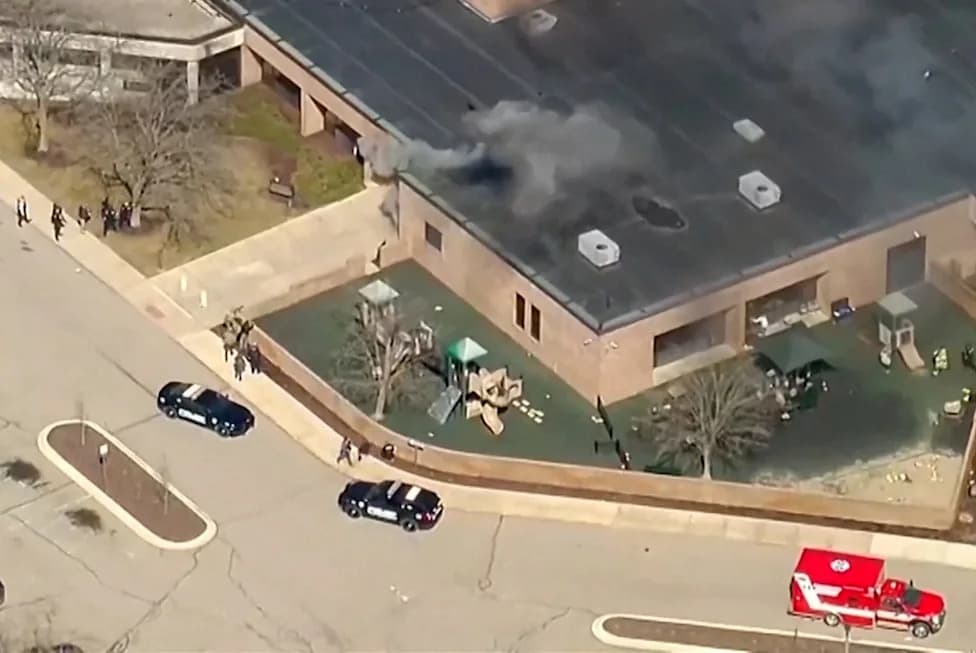
Amid a surge in antisemitic incidents since Oct. 7, 2023, some Jewish Americans and allies are turning to firearms training as a practical, lower-cost form of protection. Lox and Loaded has grown to 59 chapters in 24 states with more than 1,800 members as of July 2026. Organizers call training a way to be "first responders," while security experts warn that carrying guns during services raises safety, legal and liability concerns. The debate highlights tensions between deterrence, community safety and the risks of wider firearm circulation.
Over Bagels and Lox, Jewish Americans Train for Self-Defense as Antisemitic Threats Rise
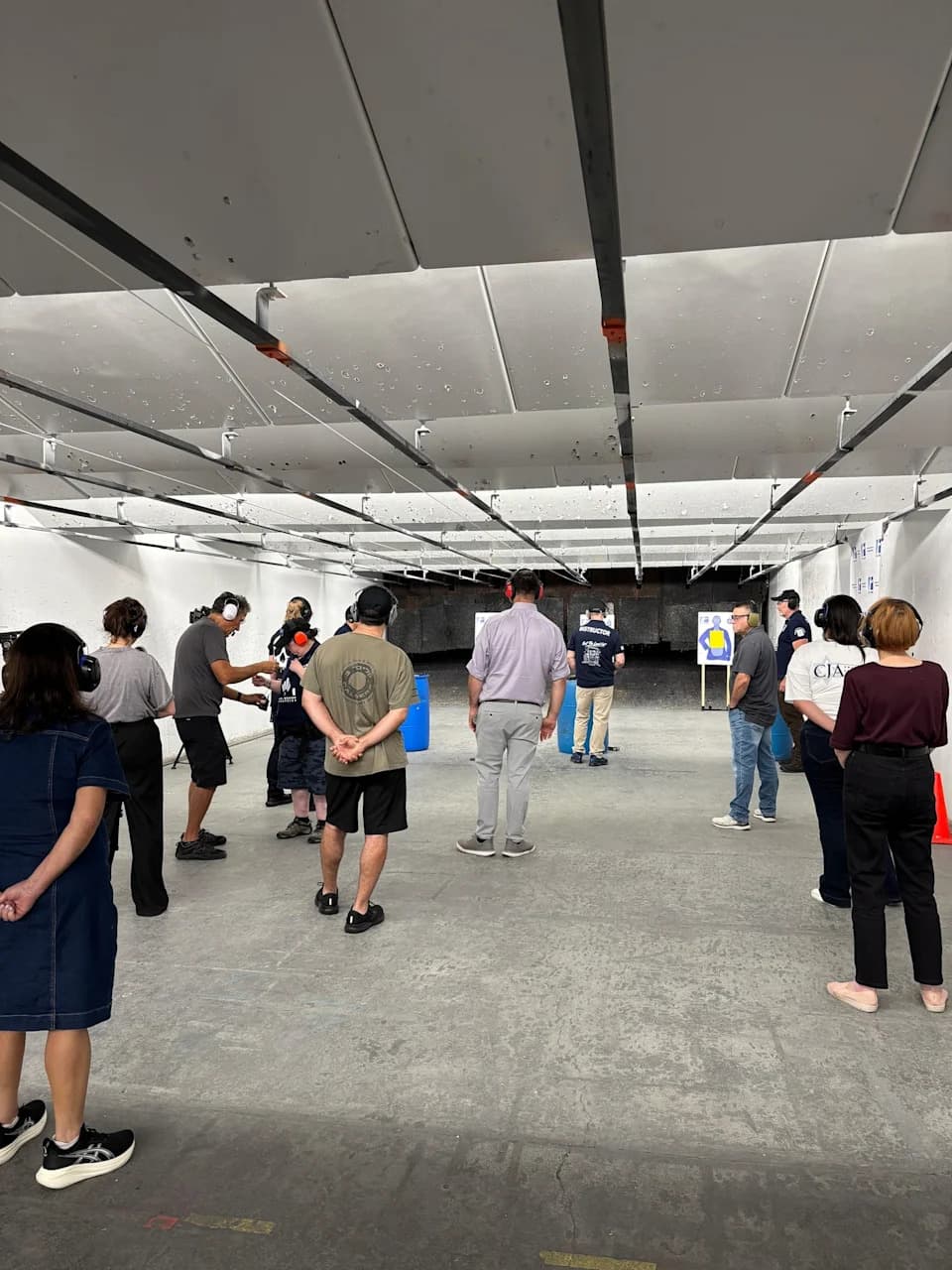
ABC News - PHOTO: An unusual mix of Jewish young professionals and retirees, parents and grandparents, Republicans and Democrats gather for firearms safety instruction outside Chicago.
On a Tuesday morning outside Chicago, an unusual mix of young professionals, retirees, parents and grandparents — Republicans and Democrats alike — gathered in a gun-range conference room to share bagels and lox and to take firearms-safety training.

ABC News - PHOTO: Lox and Loaded, a firearm safety training group for Jewish Americans and their allies, has 59 chapters in 24 states with over 1800 members as of July 2026.
"I'm not a big gun guy. I'm actually here because I'm learning," said Daniel Schwartz, a grassroots organizer in his 30s who recently purchased a 9 mm handgun. Marla Friedman, a 71-year-old retired psychologist who owns a .380 pistol, added with a laugh, "I don't wanna shoot anybody, OK? I want to put enough measures in place so that shooting is the very last resort."

ABC News - PHOTO: Members of the Lox and Loaded training program eat bagels and lox during a firearm safety briefing.
Many attendees describe themselves as reluctant gun owners who felt pushed to seek new forms of protection after a wave of violent antisemitic incidents that many trace to the Oct. 7, 2023 terror attack in Israel and the subsequent war in Gaza.

Jack Guez/AFP via Getty Images - PHOTO: A young woman reacts as she speaks to Israeli rescuers in Tel Aviv, after a was hit by a rocket fired by Palestinian militants from the Gaza Strip, Oct. 7, 2023.
Community Response: Lox and Loaded
Gayle Pearlstein, a bartender turned firearms instructor, co-founded the training group Lox and Loaded to address the fear she saw in her community. "They were scared for themselves. They were scared for their family. Their kids were harassed. They were being followed. They were being threatened at work, because they were Jewish," Pearlstein said.
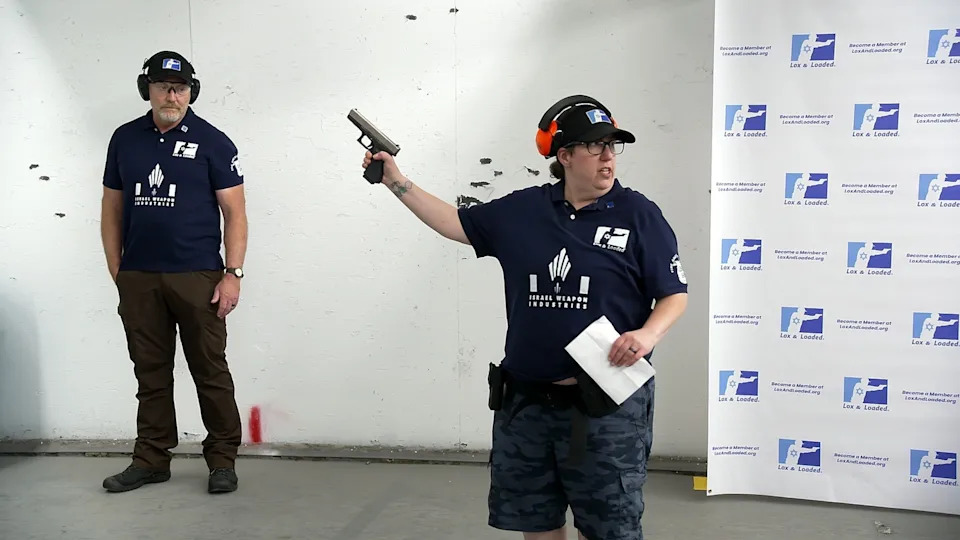
ABC News - PHOTO: Gayle Pearlstein, a bartender and firearms instructor, co-founded Lox and Loaded in 2025.
In just over a year, Pearlstein said, the group has expanded rapidly: more than 59 chapters across 24 states with over 1,800 members as of July 2026. Organizers frame training as a practical, lower-cost alternative to hiring armed guards for synagogues and Jewish institutions.
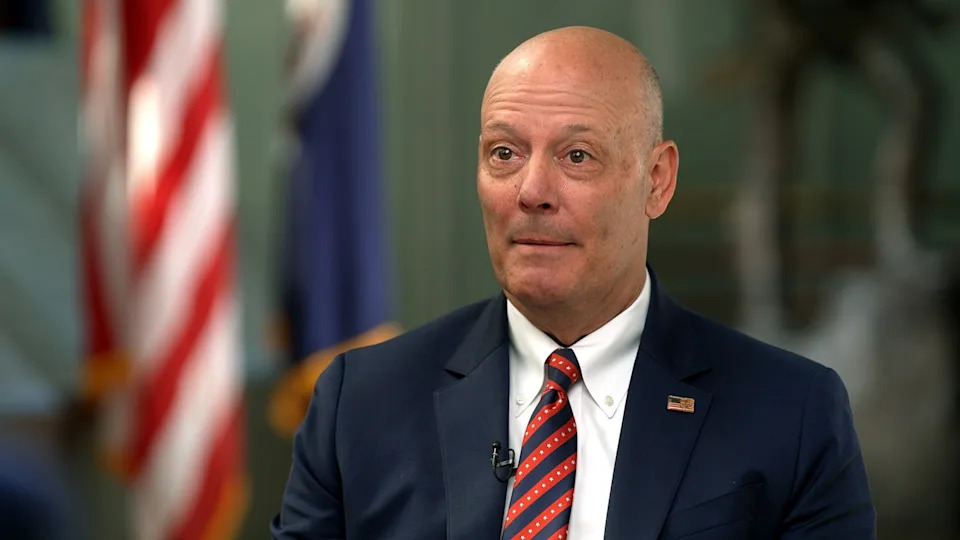
ABC News - PHOTO: Doug Hamlin, CEO of the National Rifle Association, speaks with ABC News.
"My solution is training you to be your own first responder. Weapons are just tools. And just like anything else, you have to learn how to use it," Pearlstein said. "We are not the weak. We are not defenseless. We're setting the stage for deterrence. And Bubby carries now."
Incidents Driving Concern
Fear among American Jews has grown: a February 2026 report from the American Jewish Committee found that 91% of U.S. Jews say they feel less safe since Oct. 7, 2023, and 55% reported changing their behavior due to personal fear. Recent high-profile attacks cited by community members include the March truck attack on the preschool entrance of Temple Israel in Michigan, a fatal shooting outside the Capital Jewish Museum in Washington, D.C., the killing of a demonstrator in Boulder, Colorado, and the firebombing of Pennsylvania Gov. Josh Shapiro's residence on the first night of Passover in April 2025.
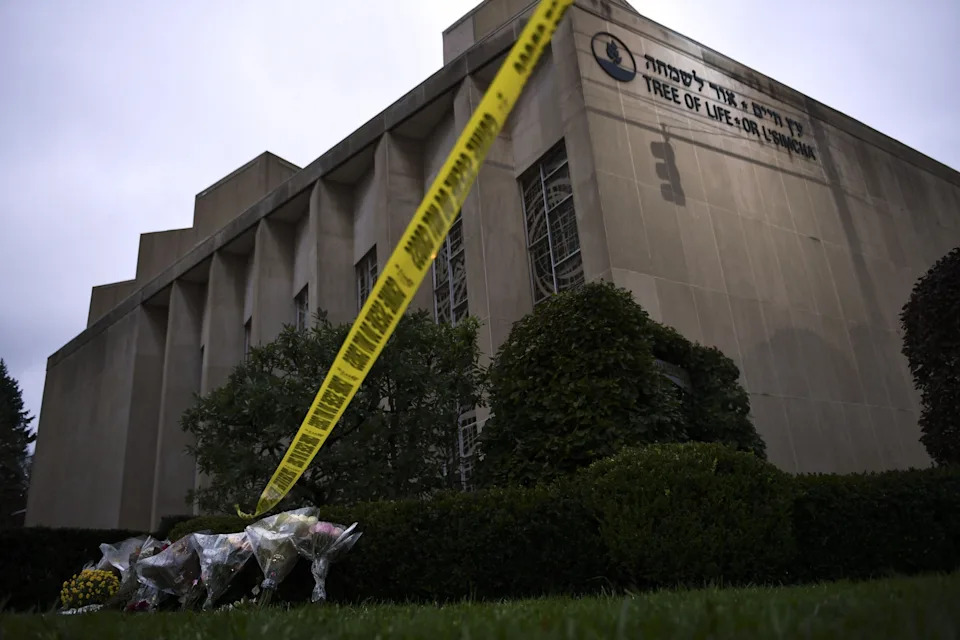
Brendan Smialowski/AFP via Getty Images - PHOTO: Police tape and memorial flowers are seen, Oct. 28, 2018, outside the Tree of Life Synagogue after a shooting there left 11 people dead in the Squirrel Hill neighborhood of Pittsburgh, Oct. 27, 2018.
NRA Partnership and Political Context
Earlier this year, Pearlstein met with new National Rifle Association CEO Doug Hamlin to explore expanding training through NRA-backed instructors and facilities. Hamlin described the NRA as refocusing on education and training as it seeks to rebuild after years of declining membership and a damaging financial mismanagement case involving former CEO Wayne LaPierre.
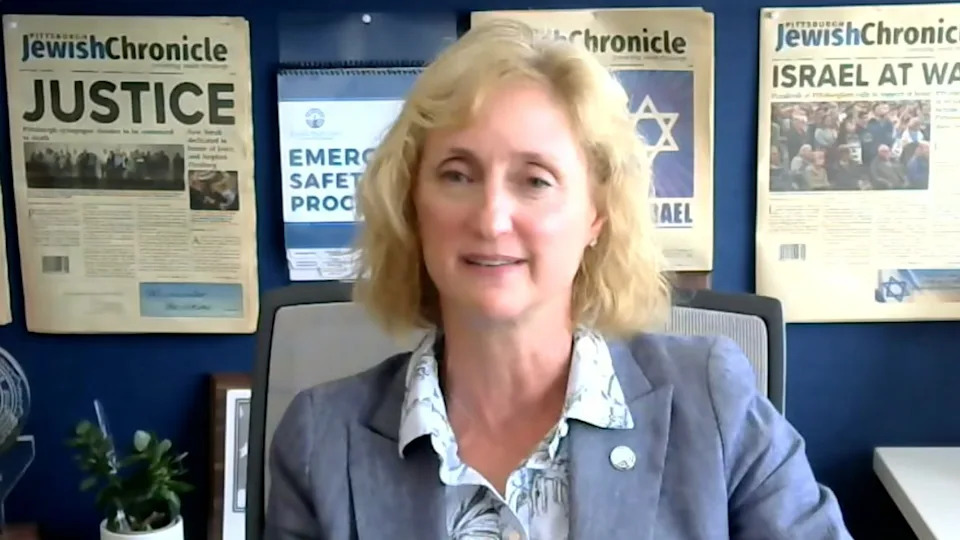
ABC News - PHOTO: Former FBI supervisory special agent Shawn Brokos is director of community security for the Jewish Federation of Greater Pittsburgh.
Critics and victims' families have previously argued that the NRA's rhetoric contributes to a pro-gun culture; the organization has faced lawsuits and scrutiny over its practices, and Hamlin says the NRA is working to regain trust and emphasize training.
Security Experts Urge Caution
Not everyone sees arming congregants as the right answer. Shawn Brokos, director of community security for the Jewish Federation of Greater Pittsburgh and a former FBI supervisory special agent, cautions that encouraging mass purchase of firearms can create panic and carries significant safety and legal implications. "It's a very personal decision, but it has to be thought out so carefully," Brokos said, noting the difference between storing a gun at home for self-defense and carrying a weapon during religious services.
Research compiled by Everytown for Gun Safety finds defensive gun use to be rare and concludes that owning a firearm for personal safety is not consistently more effective than alternatives such as running, driving away, or calling police. Brokos and others emphasize training first: run, hide, then fight as a last resort.
Shared Concerns
Despite differing views, community leaders, trainers and security professionals agree on one point: there are risks everywhere. Pearlstein reflected that reality bluntly: "There's a risk everywhere. Everywhere you go. Unfortunately, the bad guys, the monsters, they don't let you know when they're gonna attack."
Help us improve.