Peter Redman of Ontario was hospitalized for 10 days after an anaplasmosis infection from a tick bite caused a severe drop in blood pressure and his heart rate fell to about 28 bpm. Public-health officials report rising tick-borne diseases in Ontario, including more than 10,000 Lyme cases since 2021 and increases in anaplasmosis, Powassan and babesiosis. Experts advise vigilance outdoors, routine tick checks and prompt medical care for fever or rashes because most infections respond to antibiotics but can be severe.
Ontario Man Hospitalized After Tick-Borne Infection Sent Heart Rate Plummeting

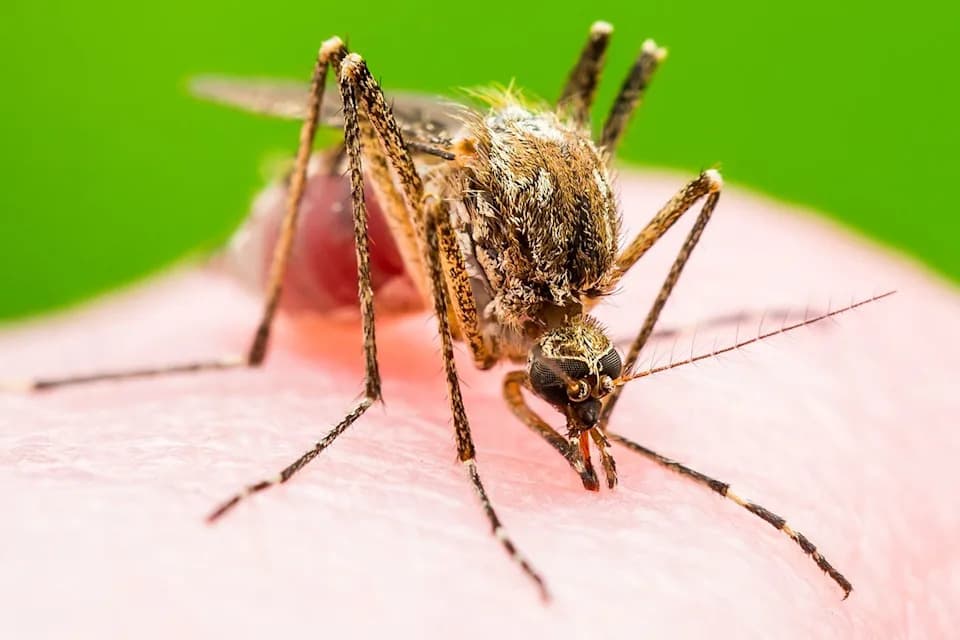
Photo Credit: iStock
An Ontario man spent 10 days in hospital after a tick-transmitted infection caused a dramatic drop in his heart rate and a dangerous fall in blood pressure, his family and local health officials say.
What happened
Peter Redman and his wife, Laura, say he had grown used to finding ticks on himself during outdoor activities. "I probably get one a month, and we would just pull them off and carry on with our day," Peter told Global News.
But after one recent bite he deteriorated quickly. Laura described him as "staggering in the house and falling into walls," and they sought emergency care when his condition worsened. By then Peter had a high fever, was vomiting and had developed a dangerously low blood pressure.
"At one point my heart rate dipped to about 28 beats per minute," Peter recalled. "They asked me, 'What would you like us to do if your heart stops?'"
Diagnosis and treatment
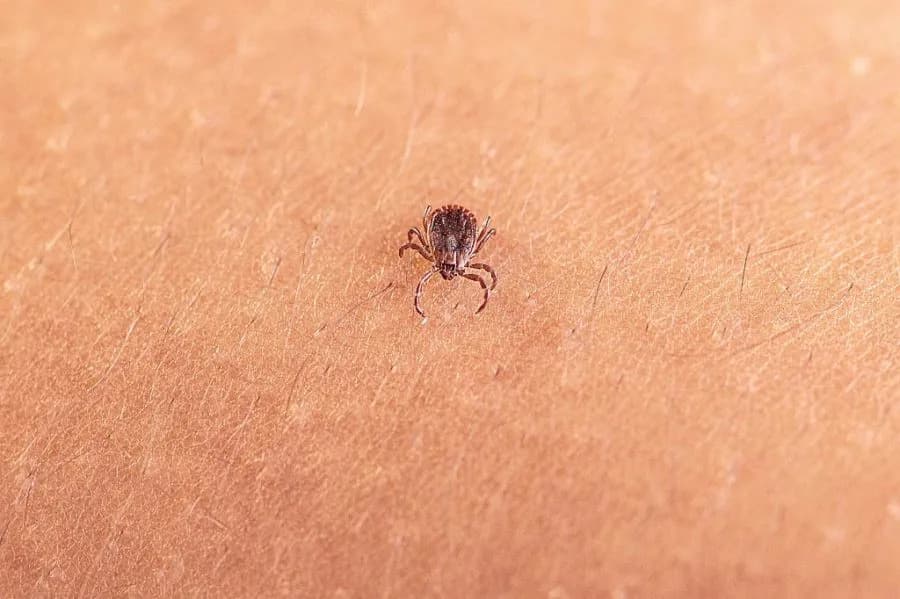
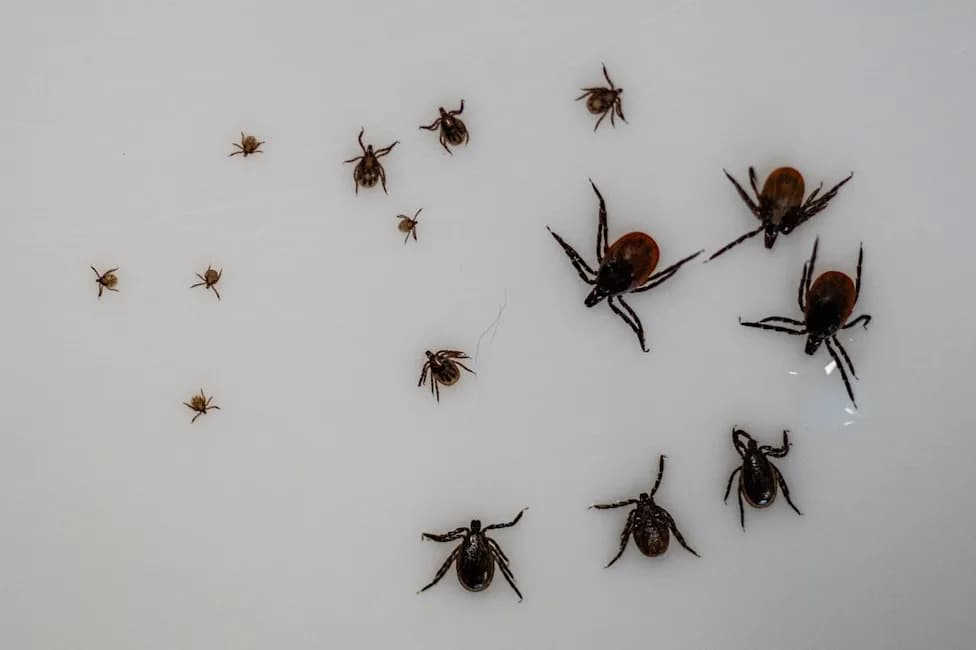
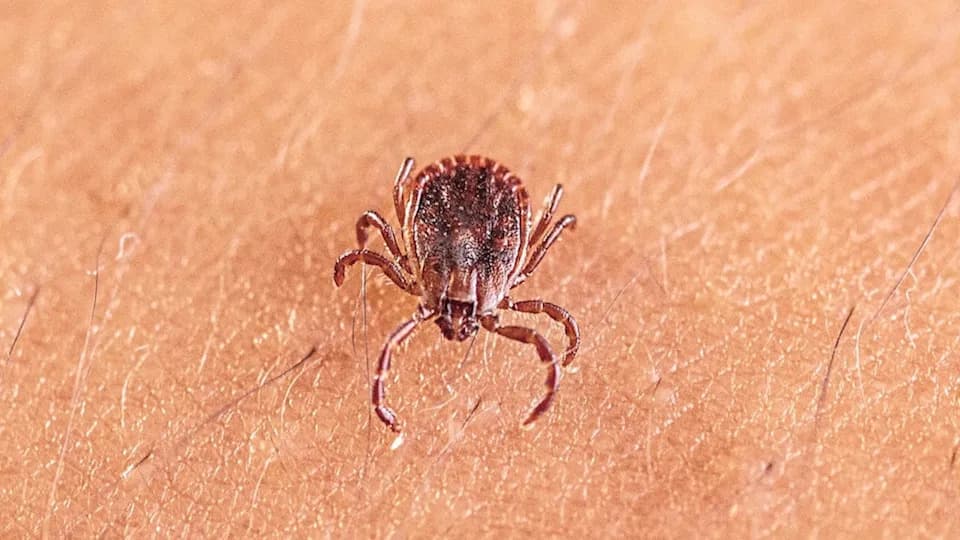
While hospitalized in Kingston, Ontario, doctors diagnosed Peter with anaplasmosis, a bacterial infection transmitted by infected blacklegged ticks. Physicians treated him with appropriate medical care; most bacterial tick-borne infections respond to antibiotics when recognized early.
Broader public-health picture
Public-health officials report a marked rise in tick-borne illnesses across Ontario. According to media reports, the province has recorded more than 10,000 Lyme disease cases since 2021. Since 2023 there have also been over 300 reported cases of anaplasmosis, roughly 20 cases of Powassan virus and about 30 cases of babesiosis.
Health experts emphasize that early symptoms—fever, fatigue, muscle aches and rashes—often resemble other common illnesses, which can delay diagnosis and treatment. Although most patients recover with timely antibiotics, severe infections can lead to organ failure or, rarely, death.
How to protect yourself
Officials stress simple, routine precautions to reduce risk:
- Be vigilant in wooded, brushy or grassy areas and even in yards near treelines.
- Wear long sleeves and pants, tuck pants into socks, and choose light-colored clothing to spot ticks more easily.
- Use insect repellent containing DEET or permethrin-treated clothing where appropriate.
- Perform thorough tick checks on yourself, children and pets after spending time outdoors and shower soon after returning indoors.
- Remove ticks promptly and properly; save them for identification if you become ill.
People who develop fever, chills, unusual fatigue, muscle aches or a new rash after a tick bite should seek medical attention promptly and tell clinicians about possible tick exposure.
"That was a very scary experience, and I'm not going to be blasé about tick bites anymore," Laura said.
Help us improve.