Researchers from the University of Liverpool and the University of Bristol monitored Ixodes ricinus at Lyme Park, England, throughout 2022 and found that host-seeking behaviour is predominantly nocturnal. Night-time activity peaked in cool, humid conditions and fell during hot, dry periods when ticks sheltered to rehydrate in soil or leaf litter. The findings suggest higher exposure risk during cool evenings and at dawn, and they underscore the need to include night-time sampling in surveillance and to consider climate-driven shifts in exposure patterns.
Study Shows Europe’s Most Dangerous Tick Hunts Mainly At Night — Raising Evening Exposure Risk
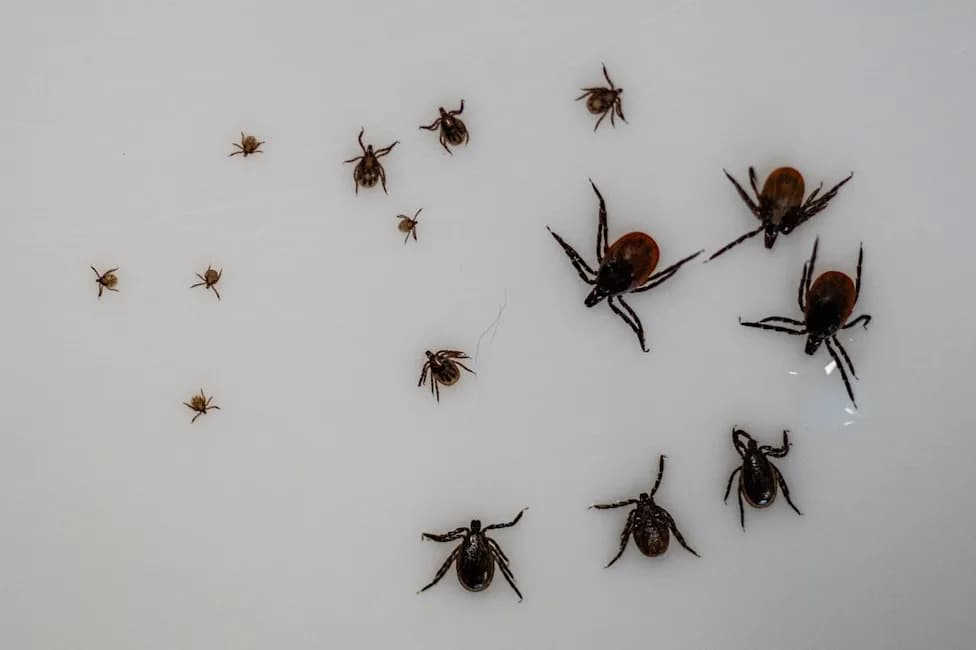
Europe’s worst disease-carrying bug prefers to hunt at night, study reveals
New research reveals that the sheep tick, Ixodes ricinus — widely regarded as Europe’s most important disease vector — predominantly seeks hosts at night, challenging the long-held assumption that it is mainly active during daylight hours.
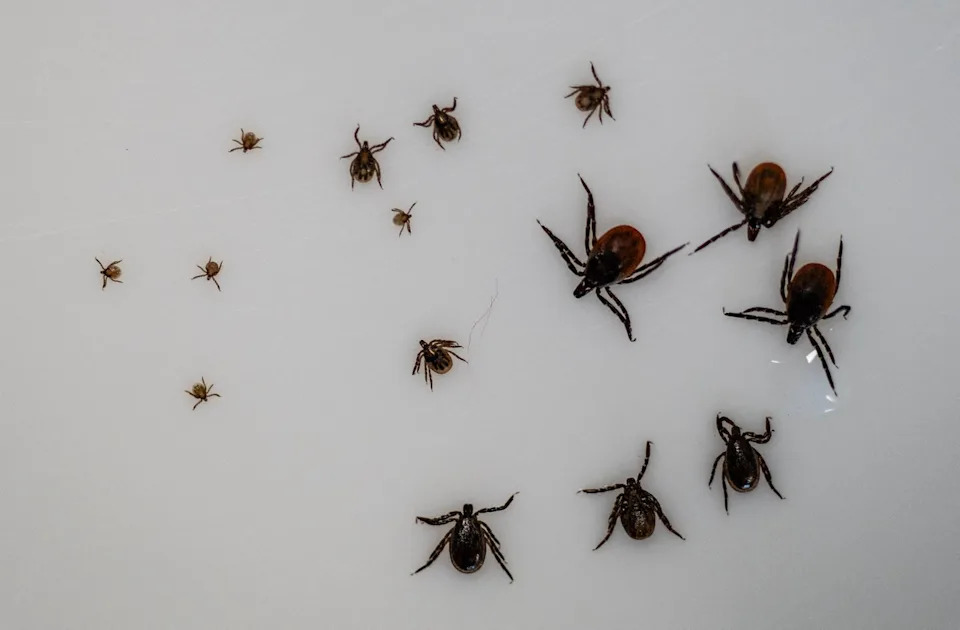
Ixodes Ricinus, also known as the sheep tick, in various stages of development (AFP via Getty)
Researchers from the University of Liverpool and the University of Bristol carried out an intensive year-long survey at Lyme Park, England, sampling every four hours from January through December 2022 using fabric drags to collect questing ticks. Their analyses linked tick density and activity patterns to temperature, humidity and seasonal changes.
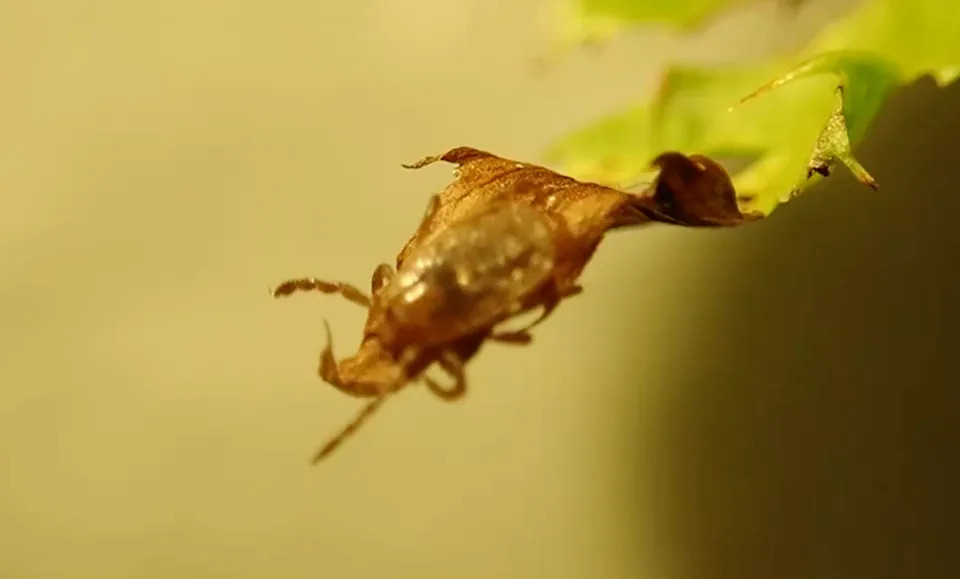
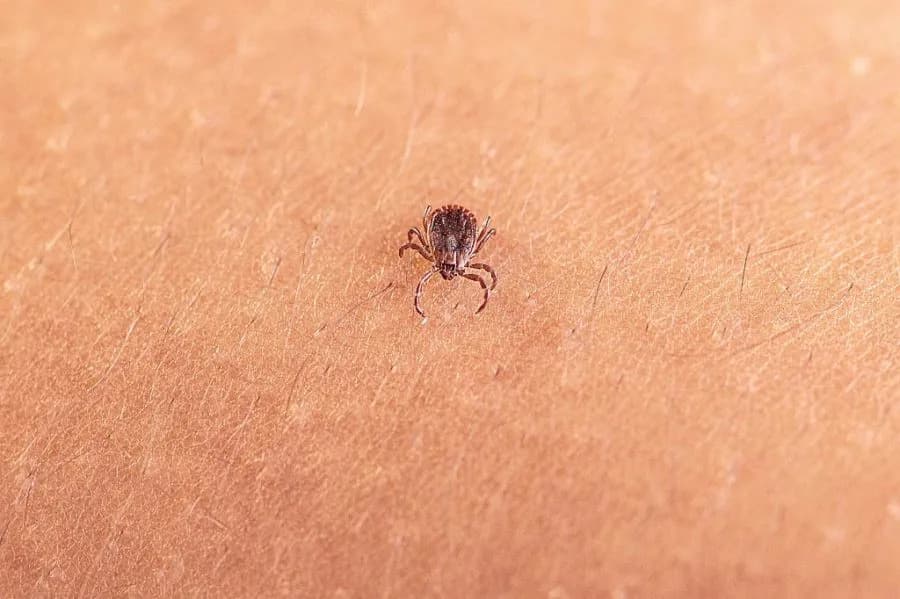
An Asian long-horned tick questing on the tip of a leaf (Hokkaido University via Eurekalert)
Key Findings
Nocturnal Peak: Host-seeking ("questing") ticks were most abundant during dark hours, with particularly high activity at night and around dawn during warm seasons. Midday counts dropped in May when daytime temperatures were higher.
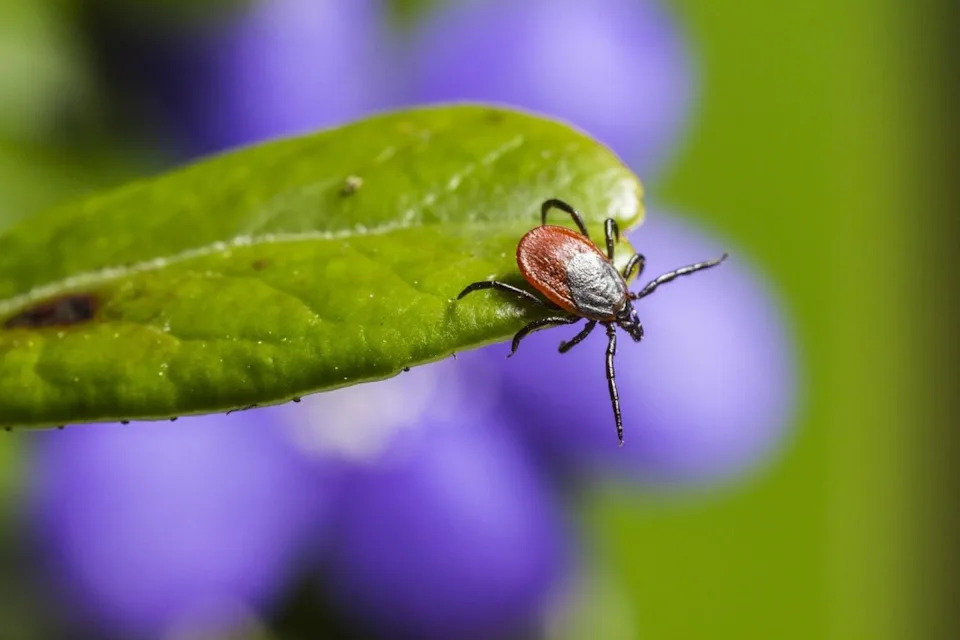
Ixodes ricinus (Erik Karits via Eurekalert)
Moisture Drives Daily Patterns: The intensity of night-time activity depended on atmospheric moisture. In cool, wet months, activity was distributed more evenly across the 24-hour cycle. Dry nights pushed ticks into soil or leaf litter to rehydrate, suppressing questing.
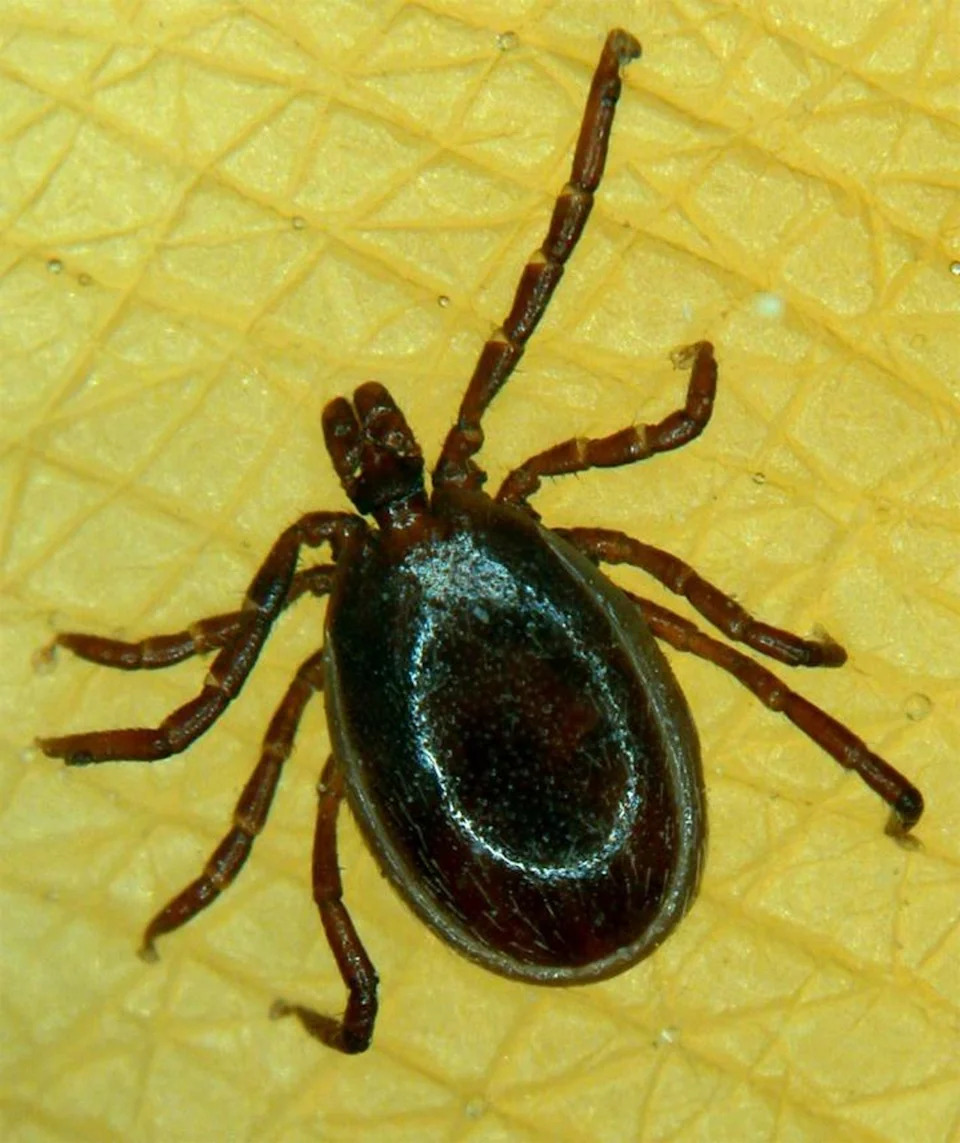
A male tick attached to a resin replica of human volar skin (Dagmar Voigt via Eurekalert)
Physiology Explains Behavior: Ticks lack efficient water-conservation mechanisms and periodically retreat to damp litter or soil to rehydrate, so humidity and temperature strongly shape when they seek hosts.
Implications
Because many surveillance programs and public-health messages focus on daytime exposure, sampling only in daylight risks underestimating tick activity and human exposure during evenings and nights. The authors warn that summer recreational activities such as camping — often occurring at dusk and night — could elevate risk of tick contact.
Climate change may shift temperature and humidity patterns across Europe, potentially altering when and where people are at greatest risk. The researchers recommend repeating similar experiments at multiple sites and with ticks from different locations to improve regional risk assessments.
"The results of the present study suggest that during warm weather there is greater risk of tick exposure at night and around dawn," the authors note, highlighting the importance of considering nocturnal feeding when assessing hazard and exposure to tick-borne pathogens.
Although tick bites remain possible at any hour, visitors to tick habitat should be especially cautious during cool, humid evenings and at dawn. Practical precautions include wearing long clothing, using repellents, avoiding sitting directly on leaf litter, and conducting tick checks after spending time outdoors.
Help us improve.