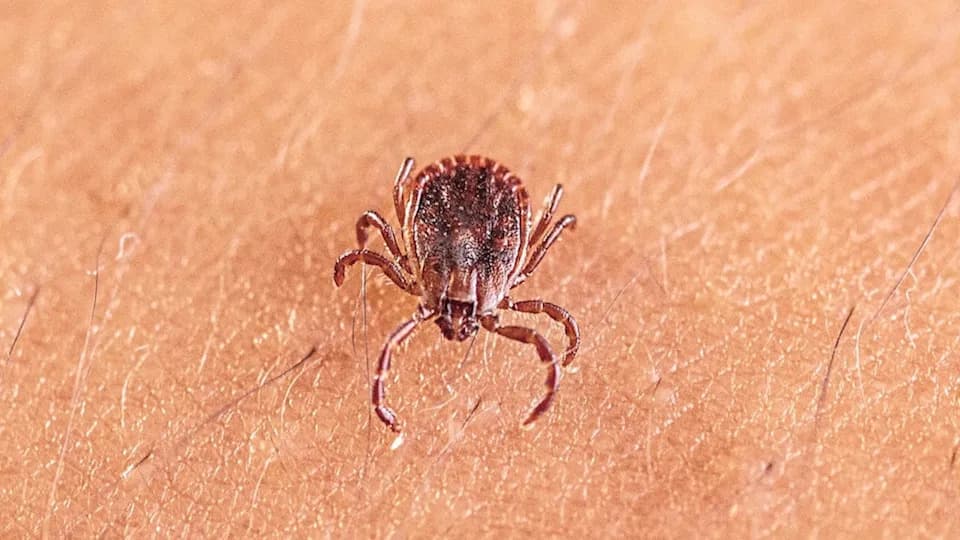
Short Summary: A new virus, Asian longhorned tick nairovirus (ALTNV), was identified after patients in China with Dabie bandavirus-like symptoms tested negative. ALTNV causes flu-like illness, low platelet counts, and elevated liver enzymes but was not linked to higher mortality on its own. Co-infection with DBV and ALTNV was associated with worse outcomes. The Asian longhorned tick has spread to more than two dozen U.S. states since 2017, but it has not yet been shown to transmit these pathogens to people in the U.S.; standard tick prevention and veterinary care remain important.
New Virus Found in Invasive Asian Longhorned Tick — What It Means for the U.S.
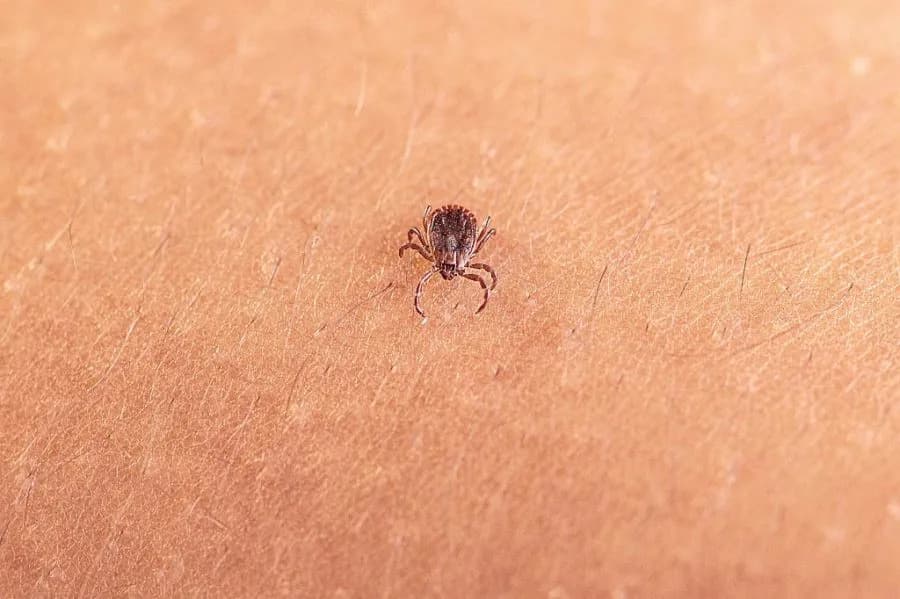
New virus detected in a tick invasive to the US. Should we be concerned?
Researchers have identified a new tick-borne virus associated with the invasive Asian longhorned tick (Haemaphysalis longicornis), a species that has steadily expanded across the United States since it was first detected here in 2017.
The tick has now been reported in more than two dozen states, with documented detections from New York and Massachusetts south to South Carolina and west to Oklahoma and Missouri. One factor that helps this species spread rapidly is parthenogenesis: female Asian longhorned ticks can lay viable eggs without mating. Nearly all specimens found in the U.S. to date have been female, according to Emily Struckhoff of Penn State Extension's Vector-Borne Disease Team.
What Scientists Discovered
Investigators in China reviewing patients who presented with symptoms similar to Dabie bandavirus (DBV) but repeatedly tested negative found a distinct agent now called Asian longhorned tick nairovirus (ALTNV). Their findings were published in the New England Journal of Medicine. In the analyzed group, more than 15% of patients who tested negative for DBV were positive for ALTNV.
ALTNV alone produced a flu-like illness with symptoms such as fatigue, gastrointestinal complaints, thrombocytopenia (low platelet counts), and elevated aminotransferase enzymes—markers that can indicate liver involvement. ALTNV by itself was not associated with a higher mortality rate in the cases described.
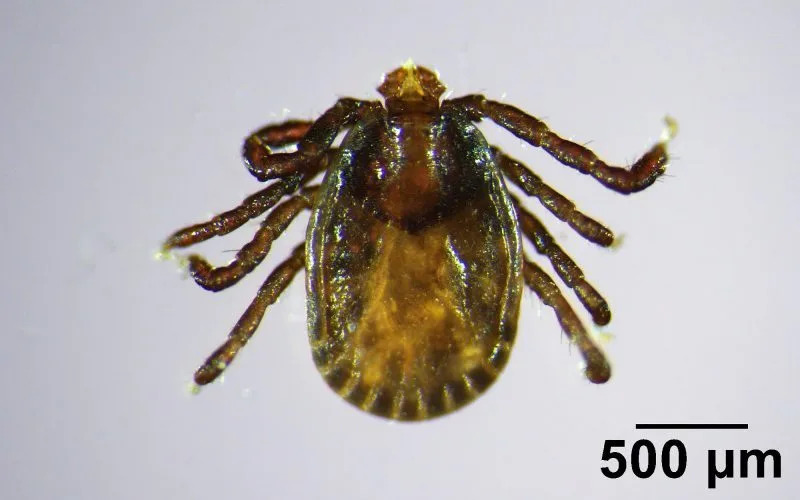
This handout photo provided by the University of Maine and taken in July, 2025 shows an Asian longhorned tick. (Griffin Dill/University of Maine via AP)
However, co-infection with DBV and ALTNV was observed in a subset of patients. Among more than 3,100 patients analyzed in the study, 38 had evidence of both infections; these co-infected patients more frequently experienced respiratory symptoms and impaired kidney function, and seven of the co-infected patients died.
Should People in the U.S. Be Concerned?
Experts say the current risk to people in the United States is uncertain but remains low. To date, the Asian longhorned tick has not been implicated in human disease transmission within the U.S. The likely reason is ecological: ticks typically acquire bacteria and viruses from the animals they feed on (known as reservoir hosts). If local wildlife and livestock do not carry the same pathogens present in Asia, ticks in the U.S. cannot pick them up and pass them to humans.
That said, the species is considered "competent" for carrying certain pathogens. Rickettsial agents—responsible for illnesses such as Rocky Mountain Spotted Fever—are among the pathogens experts watch most closely. Researchers also caution that previously unrecognized viruses may only be identified after sufficient human cases trigger deeper investigation.
What You Can Do
The U.S. Department of Agriculture reports that standard tick control treatments remain effective against the Asian longhorned tick. Pet and livestock owners who suspect exposure should contact a veterinarian for guidance on removal, testing, and treatment. For people, the usual tick prevention steps apply: use EPA-registered repellents, wear long clothing in tick-prone areas, check thoroughly after time outdoors, and remove attached ticks promptly and properly.
Bottom line: ALTNV is a newly identified virus linked to an invasive tick species, and while it has caused illness in parts of Asia, it has not yet been shown to cause disease in people in the U.S. Ongoing monitoring, tick control, and veterinary care for exposed animals are the best defenses.
Sources: New England Journal of Medicine study, Johns Hopkins Bloomberg School of Public Health commentary, Penn State Extension, U.S. Department of Agriculture.
Help us improve.