Chinese researchers have discovered Asian Longhorned Tick Nairovirus (ALTNV), a newly identified tick-borne pathogen that caused positive results in 10.4% of 3,163 patients tested and 15.1% of those who were DBV-negative. ALTNV alone produced fever, fatigue, gastrointestinal symptoms and low platelets; most patients recovered. Coinfection with Dabie bandavirus (DBV) was linked to more severe disease and higher mortality (7 of 38 coinfected patients died, 18.4%). The virus was found in 1.3% of ~47,500 sampled ticks—mainly Haemaphysalis longicornis, the Asian longhorned tick, which is already present in parts of the U.S. Public-health guidance: use repellents, wear protective clothing, check for ticks and inform clinicians about tick exposure.
New Tick-Borne Virus Identified in China — ALTNV May Worsen Illness When Paired With Dabie Bandavirus

Researchers in China have identified a previously unknown tick-borne virus that causes an influenza-like illness and has implications for regions where its tick carrier is established. The pathogen, named Asian Longhorned Tick Nairovirus (ALTNV), was described by investigators at the State Key Laboratory of Pathogen and Biosecurity in Beijing and reported in The New England Journal of Medicine (Zhang et al., 2026).
What the Study Found
Investigators tested samples from 3,163 patients who received care at hospitals in areas where tick-borne infections are common. Using RNA sequencing and viral isolation, they confirmed ALTNV in 10.4% of those patients. Among the subset who tested negative for Dabie bandavirus (DBV), 15.1% were positive for ALTNV—meaning ALTNV accounted for a meaningful share of previously unexplained tick-associated febrile illness.
Clinical Features
Patients infected with ALTNV alone most commonly reported fever, marked fatigue, gastrointestinal symptoms, thrombocytopenia (low platelet counts) and elevated liver enzymes. According to the study, individuals with only ALTNV generally recovered fully after symptomatic illness.
Danger Of Coinfection
The clinical picture was markedly worse for patients coinfected with ALTNV and DBV. Compared with DBV-only cases, coinfected patients had higher rates of respiratory symptoms (61% vs. 38%) and more frequent kidney impairment. Of 38 patients identified with both infections, seven died (an 18.4% fatality rate in that subgroup), underscoring that coinfection can substantially increase severity and mortality.
"The key danger appears when a person is infected simultaneously with both viruses," said Dr. Tyler Evans, an infectious-disease physician and public-health expert cited in the report. He noted coinfections were linked to kidney failure, breathing problems and higher death rates.
Vector, Spread And Public-Health Advice
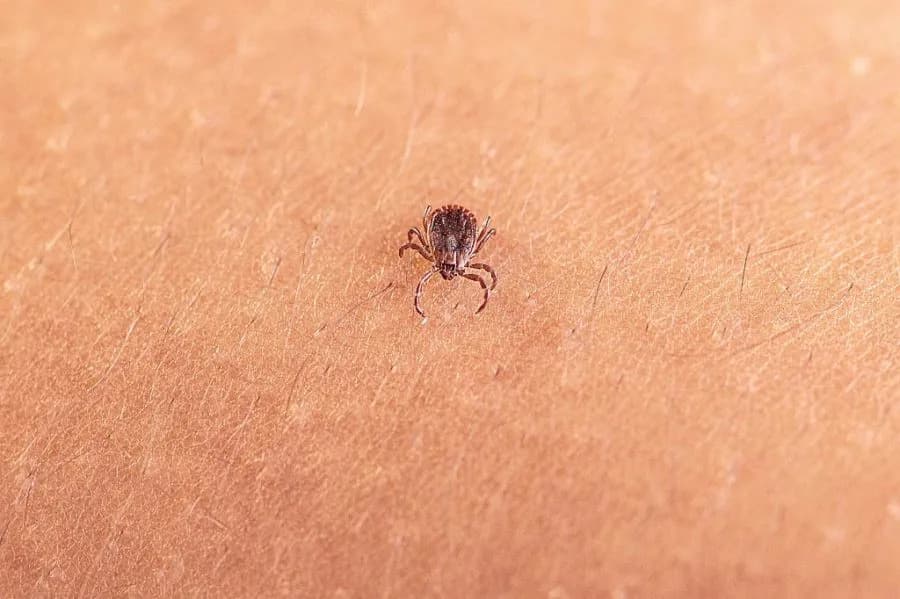
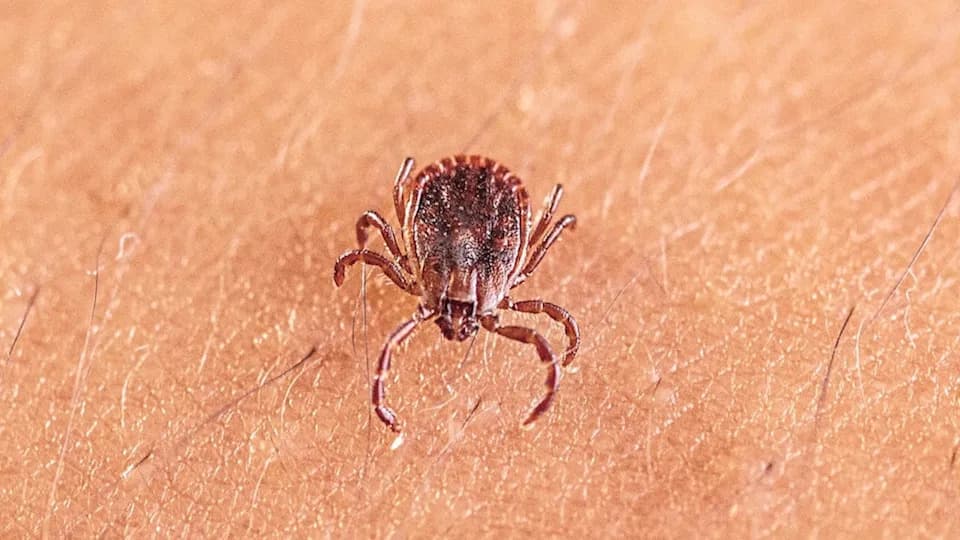
ALTNV was detected in 1.3% of nearly 47,500 ticks sampled across 15 Chinese provinces and was most frequently found in Haemaphysalis longicornis, the Asian longhorned tick. Laboratory work confirmed this tick species can transmit ALTNV to mice. The Asian longhorned tick is notable for its ability to reproduce asexually: a single female can produce large numbers of offspring without mating, helping populations expand rapidly.
Although ALTNV has not yet been detected in ticks in the United States, the Asian longhorned tick has already established populations in parts of the U.S., prompting public-health officials to urge vigilance. Recommended precautions remain standard: use EPA-registered repellents, wear long clothing in wooded or grassy areas, check for ticks after outdoor activity, and remove any attached ticks promptly. Clinicians are advised to consider tick exposures when evaluating patients with fever, fatigue or gastrointestinal symptoms following outdoor activity.
Reference: Zhang, X., et al. (2026). A Zoonotic Orthonairovirus From Febrile Patients In China. The New England Journal Of Medicine. DOI: 10.1056/NEJMc2602496.
Help us improve.