The genetic analysis of 47 avocado landraces — including 32 from Nicaragua — reveals lowland Nicaraguan varieties are genetically linked to South American populations, indicating human-assisted movement about 5,000 years ago. These locally cultivated landraces show resistance to root rot and adaptation to warm, wet climates, traits that could help protect the Hass-dominated global industry. Researchers warn that replacing traditional trees with commercial plantings risks losing this crucial genetic diversity.
Distinct Nicaraguan Avocados Could Protect the Global ‘Superfood’ — Ancient Genes Offer New Resilience
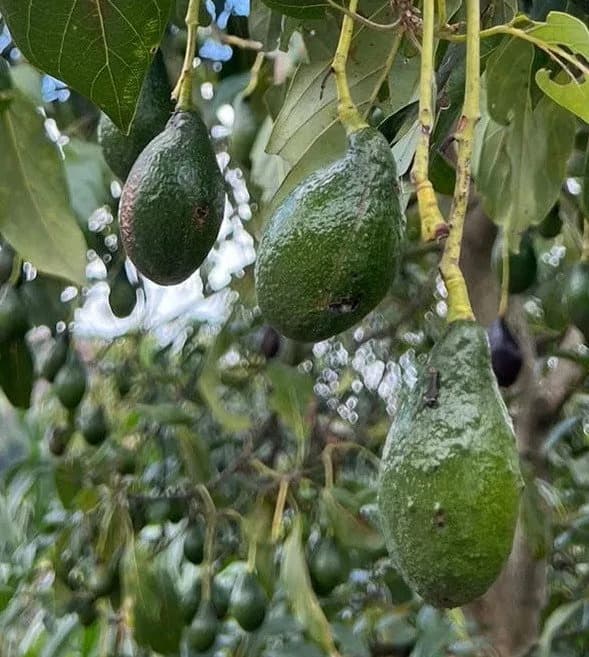
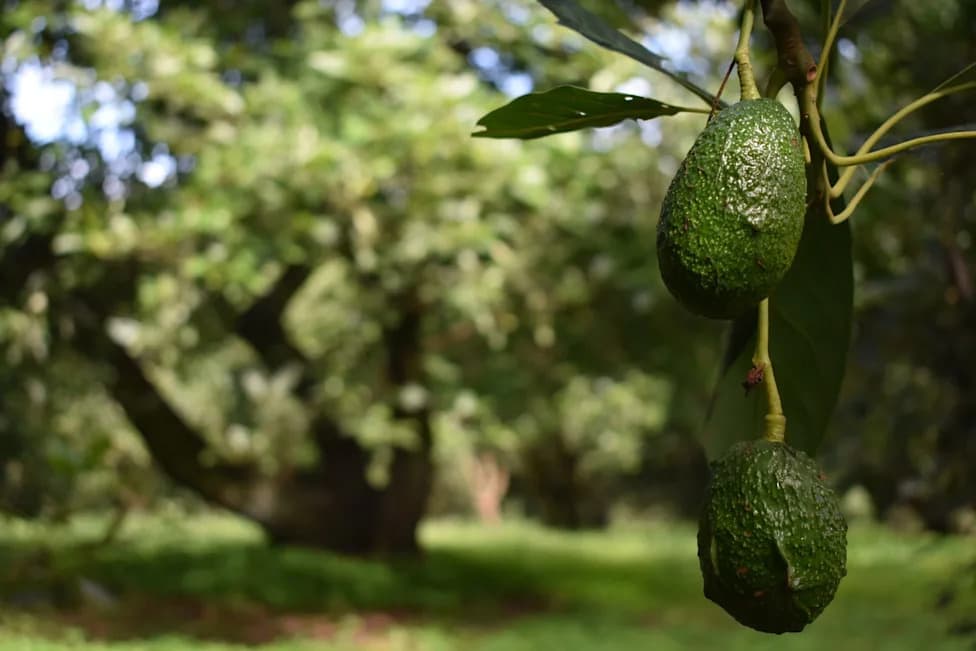
Some of the special avocados growing in Nicaragua. (Kevin Wann via SWNS)
Researchers have identified genetically distinct avocado landraces in Nicaragua that could expand the genetic toolkit available to breeders and help safeguard the globally popular “superfood.” A new genetic study finds evidence that people carried large-seeded avocados northward from South America into Central America around 5,000 years ago, leaving a lasting genetic legacy in lowland populations.
A Hidden Hotbed of Avocado Diversity
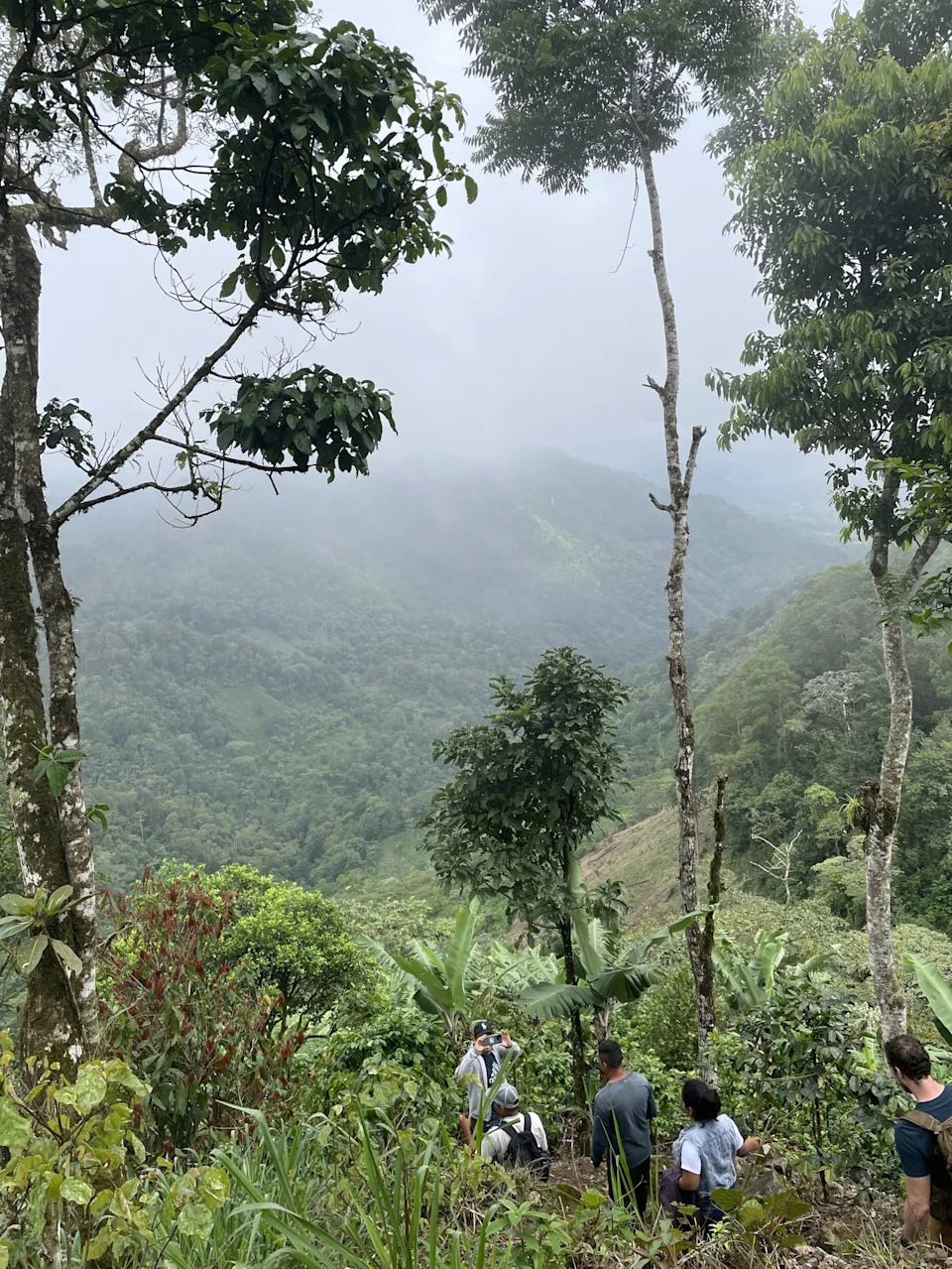
American scientists working with local farmers analyzed leaf DNA from avocado trees in Nicaragua, Honduras and southern Mexico and combined genetic data with interviews about traditional cultivation practices. The team sequenced 47 native landraces — 32 of them from Nicaragua — and compared those samples with published data from more than 200 avocado lineages.
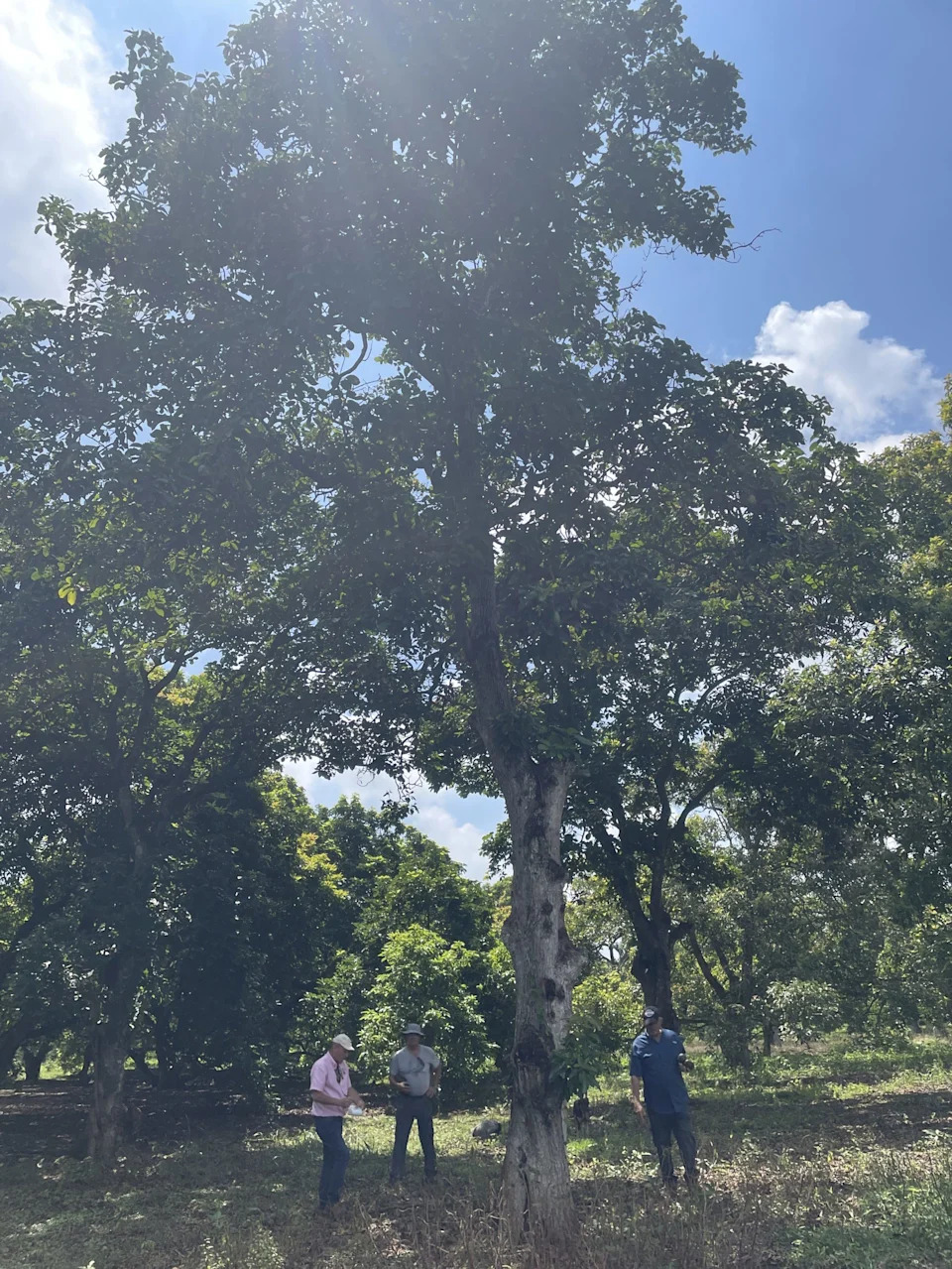
Farmers and gardeners taught researchers how they cultivate these local avocados. (Kevin Wann via SWNS)
Key Genetic Findings
The study, published in the journal Plants People Planet, shows that lowland Nicaraguan landraces are genetically linked to avocado populations farther south, including coastal Colombia. By contrast, samples from southern Mexico align more closely with ancestral highland Mexican populations and with commercially grown cultivars. The genetic patterns suggest human-mediated movement of avocado varieties northward about 5,000 years ago, consistent with archaeological evidence for other South American crops appearing in Central America.
Why This Matters
Today, more than 80% of global avocado production comes from a single cultivar — the Hass avocado — and growers rely heavily on clonal grafting. Because most supermarket avocados are genetically identical, they share vulnerabilities: a single disease or climatic shift could threaten large swaths of production. The newly documented Nicaraguan landraces show traits that may be valuable to breeders, including apparent resilience to root rot and adaptation to warmer, wetter conditions.
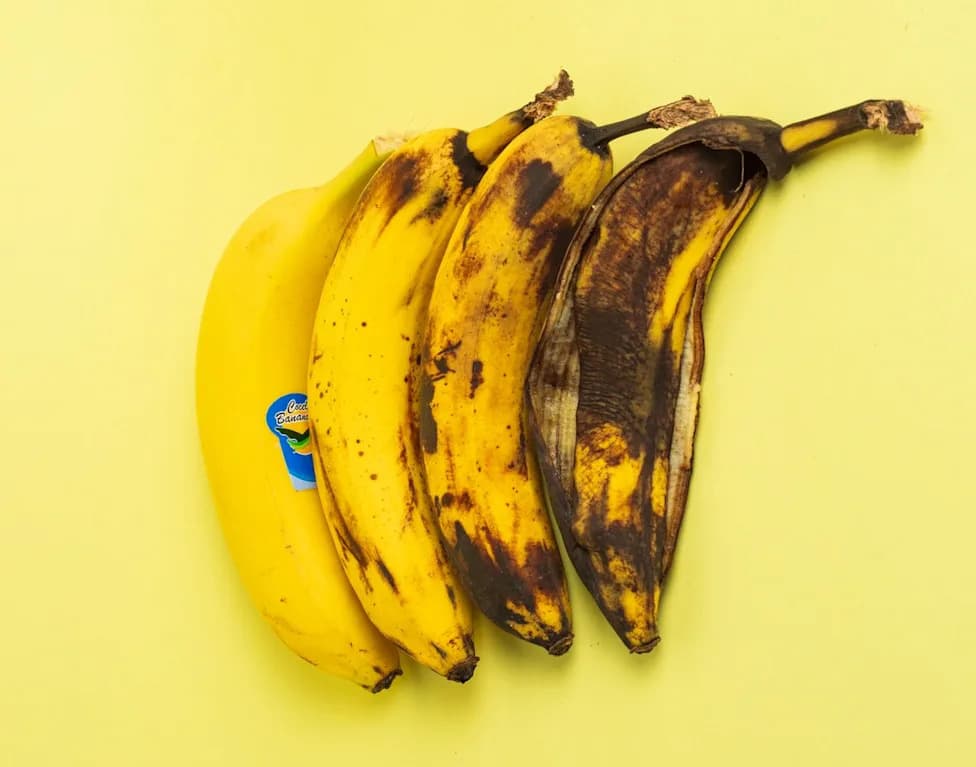
The avocado diversity preserved in Central America's lowlands could help protect commercial avocados from the fate of other crops like bananas. (Kevin Wann via SWNS)
Kevin Wann, the study’s lead archaeobotanist, said: “There is a much wider breadth of avocado diversity that science had not yet documented. We could potentially tap into this genetic diversity to conserve commercial avocado plants that are vulnerable to disease.”
Local Knowledge and Conservation Concerns
Researchers complemented DNA analysis with interviews of farmers and gardeners who have cultivated these landraces for generations. Locals reported that many lowland varieties have not experienced the root rot problems common in commercial orchards. However, some farmers are replacing traditional trees with commercial plantings, a practice that risks eroding ancient diversity and the traits that could protect avocados from future pests, pathogens and climate change.
Implications for Breeding and Industry Resilience
Preserving and studying these landraces could supply breeders with genetic traits for disease resistance and climate adaptation, reducing dependence on a single clonal cultivar. The authors urge conservation of local trees and continued collaboration with farmers to maintain the living diversity that sustained communities for millennia.
Study Details: DNA from 47 native landraces (32 from Nicaragua) was compared with genetic data from over 200 avocado lineages. The work was led by archaeobotanist Kevin Wann (Texas A&M University) with senior author Logan Kistler (Smithsonian National Museum of Natural History).
Help us improve.