Genetically edited non‑browning bananas developed by Norwich-based Tropic are one step closer to UK supermarket approval after Defra submitted a marketing notice. The variety is engineered to resist enzymatic browning and could help reduce fruit waste, which Tropic estimates causes around 20% of banana yield losses. Tropic completed Defra's precision-bred-organism review and applied to the Food Standards Agency on 3 August 2026; a commercial rollout is targeted from 2027, pending FSA clearance and supply-chain agreements.
UK Nears Approval of Non‑Browning Bananas as Tropic Targets 2027 Supermarket Launch
(Photo by Erick Ortega via Pexels)
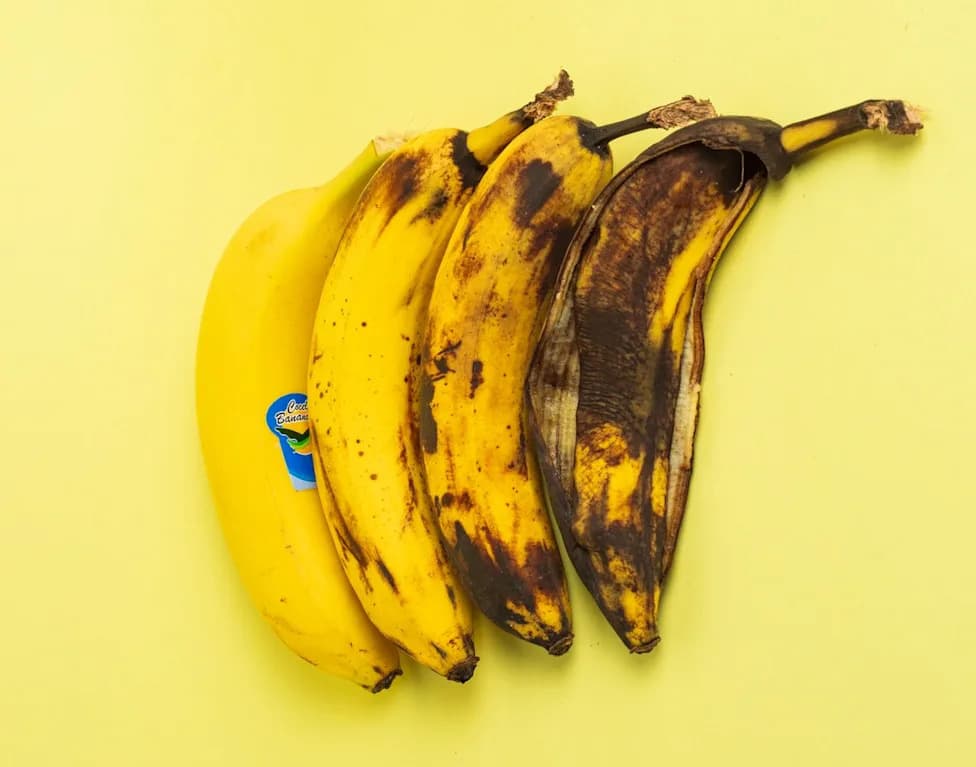
Genetically edited bananas that resist the brown discolouration that appears when the flesh is exposed could arrive on English supermarket shelves soon after the Department for Environment, Food and Rural Affairs (Defra) submitted a marketing notice.
The Norwich-based company Tropic modified the banana's DNA to reduce the enzymatic reactions that cause browning, producing fruit that the company says "stays firm and yellow after peeling and slicing — opening new avenues for inclusion in fruit salads, smoothies, desserts and more."
(Photo by Dom J via Pexels)
Where the approval process stands
Defra's marketing notice places the variety at the final stage for marketing approval in England, but a separate food-safety authorisation from the Food Standards Agency (FSA) is still required before the fruit can be sold to consumers.
"Damage of banana fruits results in enzymatic browning which is a major cause of banana fruit loss," Defra's notice states. It adds that enzymatic browning has been reported to cause around 20% of banana yield losses and is believed to be responsible for greater than 50% of losses across susceptible fruit.
Tropic says it has completed Defra's precision-bred-organism review and submitted its application to the FSA on 3 August 2026. The company emphasises it will not introduce the banana to UK consumers until the FSA process is complete.
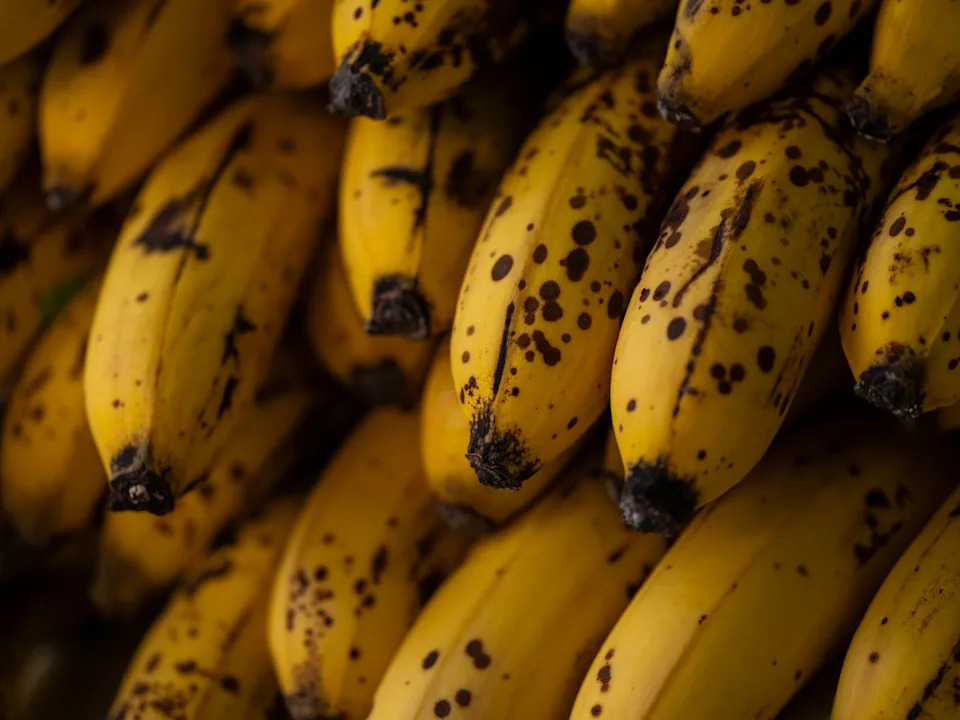
(Photo by Engin Akyurt via Pexels)
Timing, cost and availability
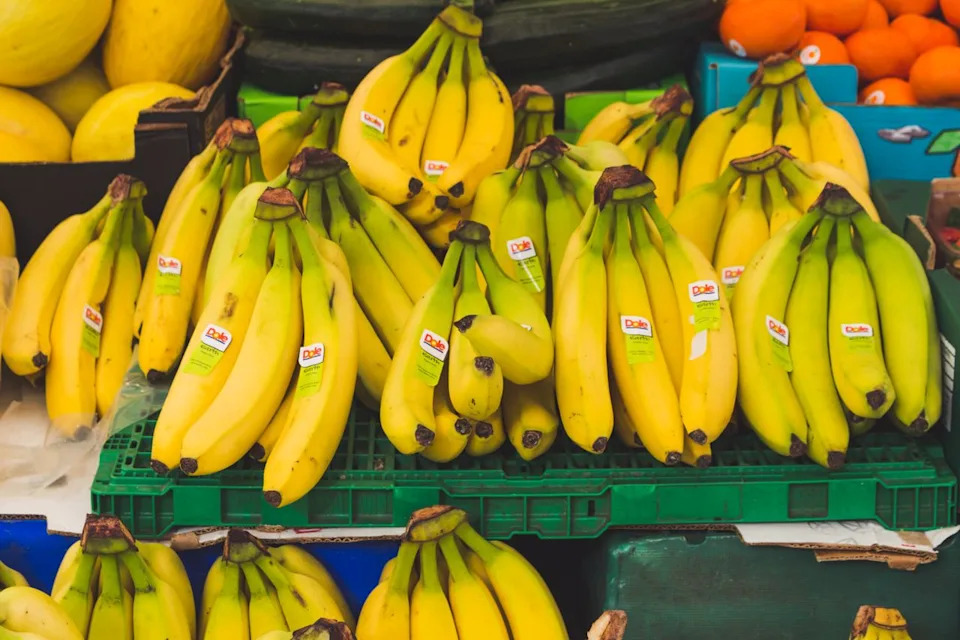
While no firm supermarket date has been announced, Tropic aims for a commercial introduction from 2027, contingent on FSA approval, scaling production, and securing agreements with growers, distributors and retailers. Tropic has indicated the non‑browning banana will be marketed as a premium product and will likely sell for "a little more" than standard bananas.
Tropic also notes the variety already has regulatory approvals or clearances in multiple countries, including the United States, Canada, Japan and Brazil, and that wider international acceptance has helped validate the technology in global supply chains.
Why it matters
Supporters say the reduced-browning trait could cut food waste and extend the fruit's usability in prepared foods. By slowing visible browning after slicing, the variety could make bananas more suitable for ready-to-eat fruit products and reduce waste along the supply chain and at retail and consumer levels.
Next steps: the FSA review and commercial arrangements. Tropic has reiterated it will only launch the product in the UK once all regulatory and supply-chain requirements have been met.
Help us improve.