Sildenafil (Viagra) may hinder cancer spread by disrupting how tumor cells use cholesterol to remodel their membranes, Weizmann Institute researchers report in Cancer Research. Observational data linked prior sildenafil use to improved survival, particularly among patients also taking statins, and multiple preclinical studies (including reduced colorectal polyps and dramatically lower metastasis in mouse models) support the idea. The findings are intriguing but preliminary — randomized clinical trials are required before sildenafil could be recommended for cancer prevention or treatment.
Could Viagra (Sildenafil) Help Stop Cancer From Spreading? New Study Points to Tumor Cholesterol Link
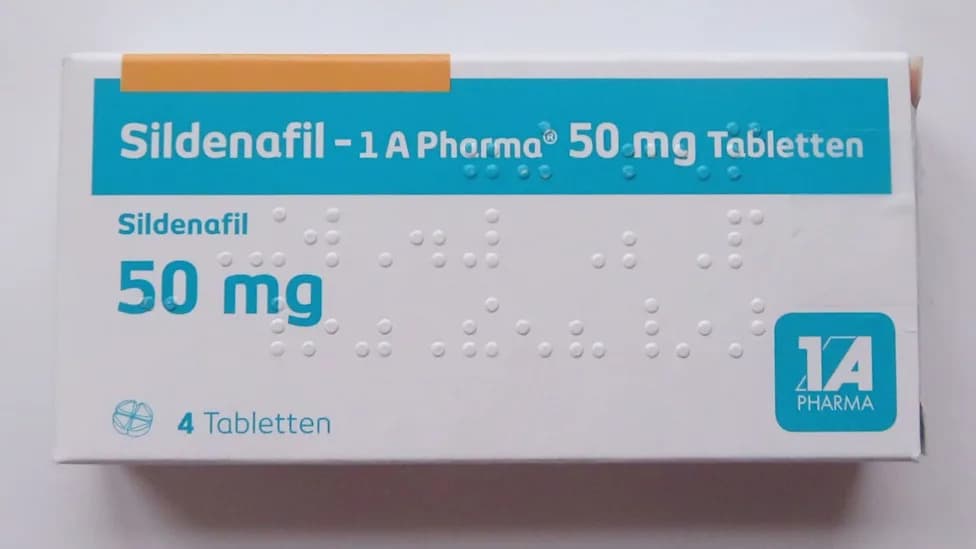
Image: Wikimedia
Researchers at Israel's Weizmann Institute of Science report in Cancer Research that sildenafil — the active ingredient in Viagra — can interfere with how cancer cells use cholesterol, a process that appears to make it harder for tumors to metastasize. The findings offer a compelling biological mechanism and several lines of supporting preclinical and observational evidence, but experts stress that randomized clinical trials are required before any change in clinical practice.
How Sildenafil May Block Metastasis
The Weizmann team, led by Dr. Yarden Ariav in Prof. Ayelet Erez's laboratory, describe a mechanism in which cancer cells rely on cholesterol to remodel their cell membranes. That membrane flexibility helps tumor cells migrate, invade surrounding tissue, and establish metastases. Sildenafil appears to disrupt cholesterol-dependent membrane remodeling, effectively weakening the cellular "scaffolding" tumors use to escape and colonize new sites.
Evidence So Far
All current human data are observational, and laboratory evidence comes from cell and animal models. Key findings include:
- Observational signal: In the same Weizmann analysis, people who had used sildenafil prior to a cancer diagnosis showed improved overall survival; the apparent benefit was strongest among patients who were also taking statins.
- Large registry analysis: A Swedish study published in Nature Communications associated post-diagnosis use of PDE5 inhibitors with an 18% lower risk of death from colorectal cancer.
- Preclinical prevention data: In mouse models, a low daily dose of sildenafil reduced colorectal polyp formation by roughly 50% (Cancer Prevention Research).
- Immune-modulating combination: University of Ottawa researchers combined sildenafil with an inactivated influenza vaccine in mice and reported more than a 90% reduction in cancer spread, linked to suppression of myeloid-derived suppressor cells and enhanced natural killer cell activity.
Safety Signals and Melanoma
The relationship between sildenafil and melanoma has been debated. A 2014 JAMA Internal Medicine study reported an elevated melanoma risk among Viagra users, causing concern. A larger 2017 analysis in the Journal of the National Cancer Institute largely recontextualized that signal: the relative increase fell to about 12% and was concentrated mainly in stage-zero melanoma, with an absolute risk rise estimated near 0.43%. Mechanistic studies suggest extra caution in patients with existing melanoma, so this remains an important safety question to address in trials.
Ongoing And Planned Human Research
Several human studies are already underway or being planned. The Massey Cancer Center has an open trial testing sildenafil in combination with the targeted therapy regorafenib for advanced solid tumors. Investigators who reported the colorectal polyp findings argue that the preclinical and observational evidence now justifies human chemoprevention trials. Because sildenafil is off-patent and inexpensive, a confirmed clinical benefit could produce a highly favorable cost-to-impact ratio compared with many modern oncology agents.
Expert Caution: Oncologists emphasize these results are promising but preliminary. Randomized controlled trials are necessary to determine whether sildenafil is safe and effective as a cancer therapy or preventive agent.
What To Watch Next
Over the next few years, controlled clinical trials will be critical to confirm whether sildenafil's effects on tumor cholesterol metabolism translate into meaningful benefits for patients. Until then, clinicians do not recommend using sildenafil for cancer prevention or treatment outside of research settings.
Bottom line: Strong biological rationale and encouraging preclinical and observational data suggest sildenafil could hinder metastasis by disrupting tumor cholesterol use, but definitive proof from randomized human trials is still needed.
Help us improve.