Brain imaging studies show early-stage romantic love consistently activates the ventral tegmental area (VTA), a reward region tied to motivation and survival drives. Research indicates partners can become represented using neural patterns similar to the self, and bonding produces long-lasting molecular changes in the brain. When relationships end, the brain’s disentangling process can register as physical pain and sometimes affect heart health. Recovery is possible through intentional steps that rebuild attention and reward systems.
Brain Scans Reveal How Love — and Heartbreak — Rewire the Brain

love, relationships, heartbreak, breakups
Falling in love can feel overwhelming: new partners often occupy your thoughts, habits and priorities. Neuroscience shows this intensity has a physical basis — early-stage romantic love engages brain circuits tied to motivation and survival, and losing that bond can register as literal pain.
The study that changed how scientists think about romantic love
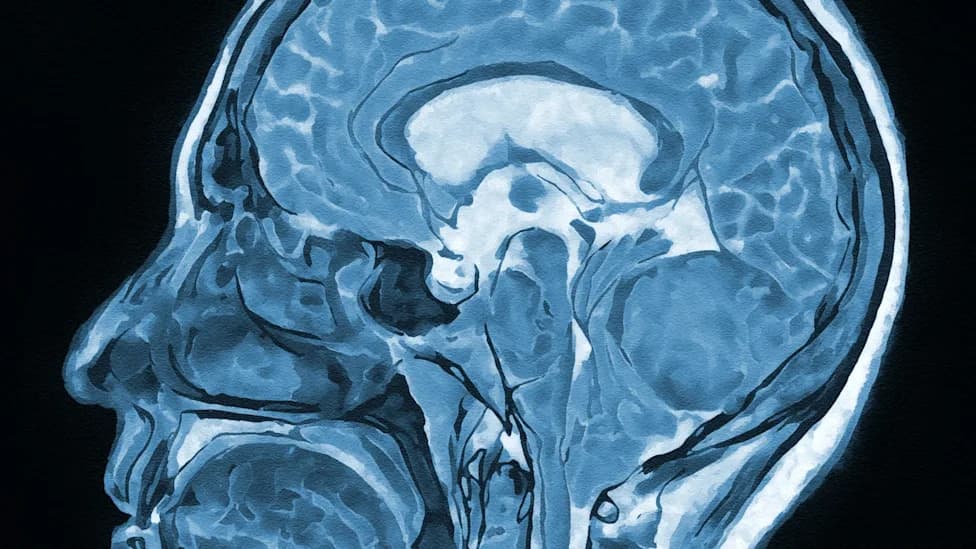
A 2005 functional magnetic resonance imaging (fMRI) study published in the Journal of Neurophysiology scanned the brains of 17 people (10 women and 7 men) who reported being in love for between 1 and 17 months. When participants viewed photos of their romantic partners, scans consistently showed activation in a key reward area of the brain.

A man and woman hugging.Photo credit: Canva
The ventral tegmental area (VTA): a survival-driven reward center
Dr. Lucy Brown, a neuroscientist at Albert Einstein College of Medicine, explained that increased blood flow visible on fMRI highlights which brain regions respond to pictures of a loved one. In this study, the ventral tegmental area (VTA) — a region linked to motivation, reinforcement learning and reward processing — became highly active. The VTA is also involved in basic drives such as hunger and thirst, which helps explain why romantic love can feel so urgent and consuming.
“This is actually the beginning of romantic love. This is what told us that romantic love is a drive, not just a euphoric feeling, not just an emotion.” — Dr. Lucy Brown
Partners become woven into the self

A man and woman kiss.Photo credit: Canva
Additional research supports the idea that close partners are represented in some of the same neural patterns the brain uses for the self. A 2013 study in PLOS ONE found overlapping brain activity when participants read positive statements about themselves and about their partners, suggesting the brain begins to treat a beloved person as part of the self.
Why breakups feel like physical pain
Professor Zoe Donaldson (University of Colorado Boulder) and others note that forming bonds produces molecular and long-lasting neural changes that help maintain attachment. When a relationship ends, the brain must undo or reconfigure those connections. Neuroimaging shows that regions activated by social loss overlap with areas involved in visceral pain, which helps explain why heartbreak can feel physically painful.
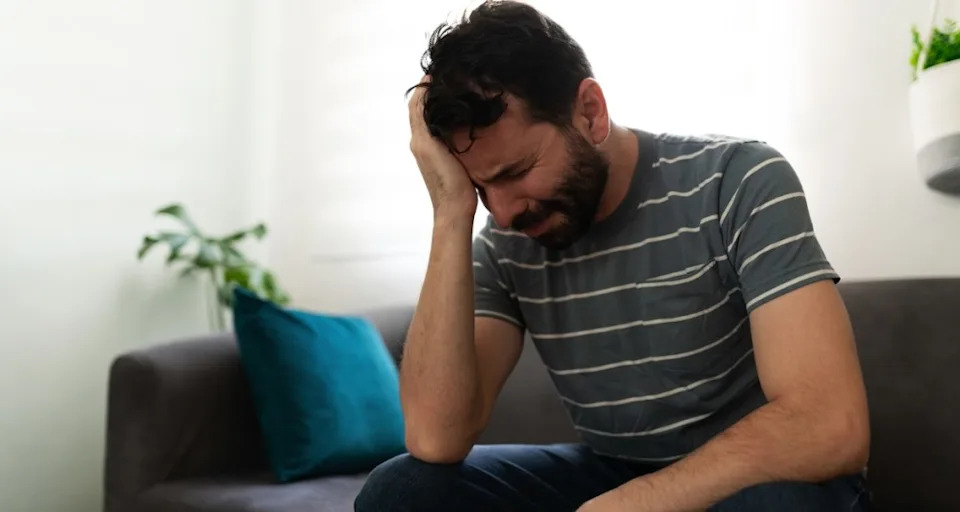
A sad man on a couch.Photo credit: Canva
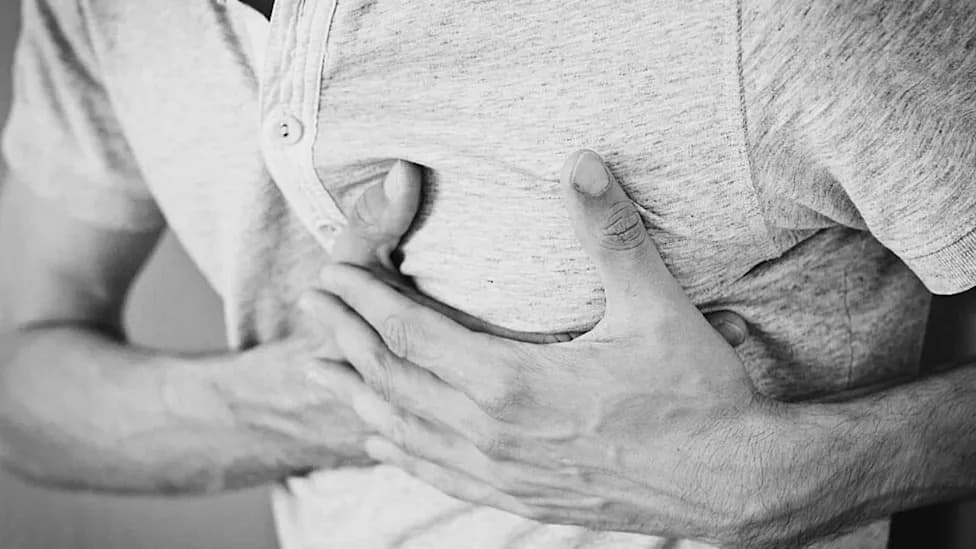
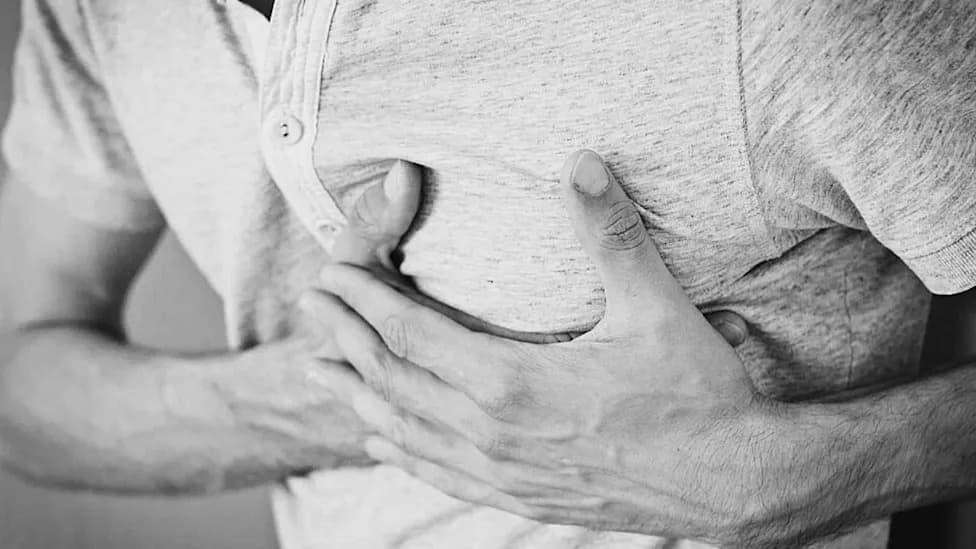
Heartbreak can trigger intense physiological responses — chest pain, rapid heartbeat, shortness of breath and other stress reactions. Medical research also describes Takotsubo cardiomyopathy, or “broken heart syndrome,” a stress-induced weakening of the heart muscle. Some studies report an increased short-term risk of cardiac events after the loss of a spouse.
“There’s literal pain in your brain…they overlap with the same brain regions that are activated when you feel visceral pain.” — Professor Zoe Donaldson
Recovery and practical steps
Importantly, the brain is plastic and can heal. Experts recommend acknowledging the pain, limiting reminders (such as removing photos or deleting messages), and rebuilding a life around rewarding activities that redirect attention and create new positive reinforcement. Activities like exercise, creative hobbies, learning new skills, or travel can help reorient the brain’s reward systems over time.
Limitations and context
These findings are compelling but not definitive. The influential 2005 study had a small sample (17 people) and focused on early-stage love; later-stage attachments and diverse populations may show different patterns. fMRI indicates correlations between brain activity and experience but does not by itself prove causation. Ongoing research continues to refine our understanding of the neurobiology of attachment and loss.
Takeaway: Romantic love recruits evolutionarily old reward circuits (like the VTA), which helps explain why attachment feels essential to survival — and why its loss can cause real physical and emotional pain. With time and intentional activity, the brain can rebalance and form new pathways toward wellbeing.
Help us improve.