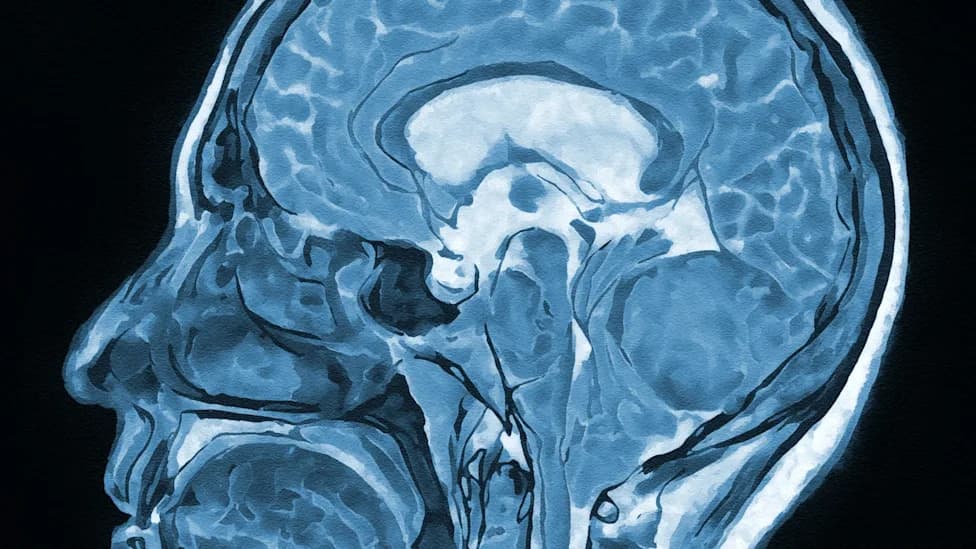
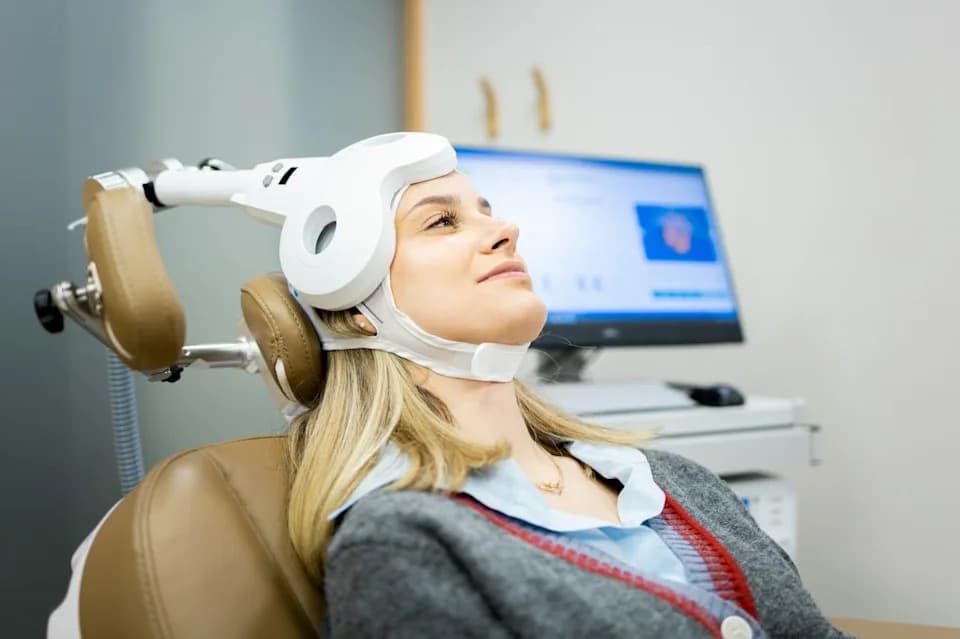
The systematic review in Translational Psychiatry finds that depression symptoms such as anhedonia, rumination, insomnia and suicidal behaviour correspond to different resting-state brain connectivity patterns. Consummatory and anticipatory anhedonia recruit partly distinct circuits, and suicidal ideation and attempts show different connectivity profiles. The authors propose a dimensional, symptom-focused approach could support more targeted, circuit-based treatments, but larger studies are needed before clinical application.
Different Depression Symptoms Map To Distinct Brain Circuits, Review Finds

PRODUCTION - 18 February 2023, Hamburg: A man is sitting at the window with his head in his hands. Photo: Jonas Walzberg/dpa (Photo by Jonas Walzberg/picture alliance via Getty Images)
A new systematic review published in Translational Psychiatry challenges the idea that depression has a single, unified brain signature. Instead, the analysis finds that discrete symptoms—such as anhedonia, rumination, insomnia and suicidal behaviour—are associated with different resting-state functional connectivity patterns, suggesting symptom-specific neural pathways.
What the Review Examined
The authors synthesized resting-state functional magnetic resonance imaging (fMRI) studies that measure intrinsic brain connectivity when people are not performing tasks. Their goal was to identify connectivity patterns tied to individual symptoms rather than to the broad diagnostic label of major depressive disorder (MDD).
Key Findings
The review reports several notable patterns:
- Anhedonia Subtypes: Consummatory (reduced pleasure in the moment) and anticipatory (reduced expectation of future reward) aspects of anhedonia appear to rely on partly distinct neural circuits.
- Suicidal Thoughts vs. Attempts: Suicidal ideation and suicide attempts show different connectivity profiles, indicating they may arise from different network disruptions.
- Other Symptoms: Rumination and insomnia also mapped to characteristic connectivity patterns in some studies, reinforcing the idea of symptom-specific signatures.
Clinical Implications
The review highlights a major limitation of current diagnostic practice: conventional diagnostic criteria for MDD allow many symptom combinations under one label—up to 227 theoretically distinct symptom profiles—so two people with the same diagnosis can present very different clinical pictures. The authors argue that a dimensional, symptom-focused approach could help researchers develop more targeted, circuit-based interventions tailored to an individual's clinical and neurobiological profile.
However, the paper cautions that these connectivity findings are preliminary. Larger, longitudinal and treatment-linked studies are needed before symptom-specific neurocircuit markers can be translated into routine clinical care.
"It allows us to begin considering interventions that are better tailored to each patient's clinical and neurobiological profile," said Dr. Narcís Cardoner, one of the paper's authors.
Source: Translational Psychiatry (systematic review). Republished coverage appeared on Forbes.
Help us improve.