Researchers created BioTAK, a five-variable score that combines biological sex and four blood biomarkers (NT-proBNP, PAM, sLOX-1, LDL cholesterol) to help differentiate Takotsubo ("broken heart") syndrome from acute coronary syndrome before invasive angiography. The model was derived on 1,823 patients and externally validated in 1,792 patients, achieving AUCs of 0.97 and 0.93, respectively. Using rule-in/rule-out thresholds, nearly 90% of patients could be given a likely diagnosis pre-catheterization, but important limitations remain: limited Takotsubo case numbers, uncertain assay availability for PAM and sLOX-1, and no evidence yet that BioTAK improves outcomes or is regulatory-approved for routine use.
Can a Blood Test Tell a 'Broken Heart' From a Heart Attack? The New BioTAK Score Shows Promise

Heartache
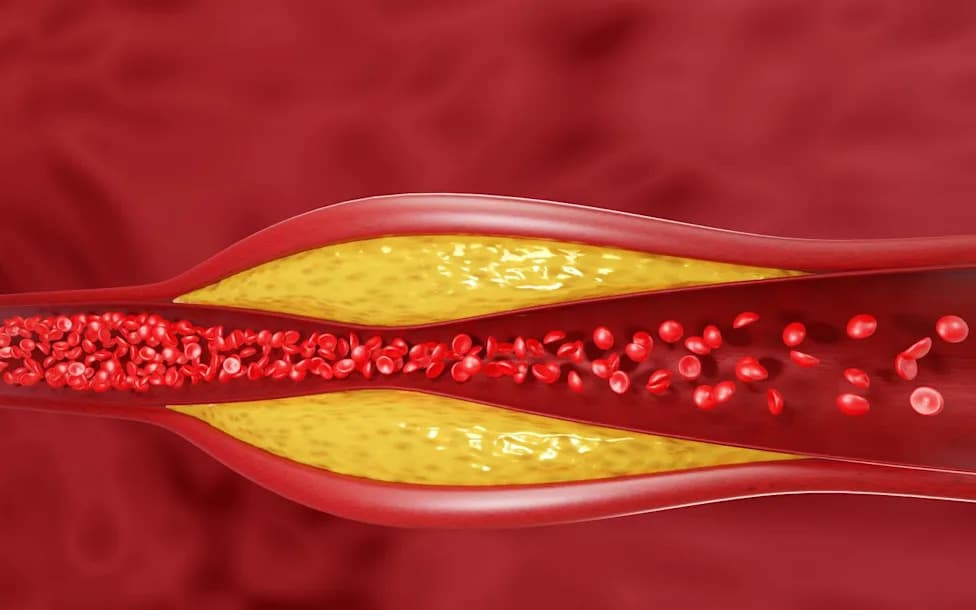
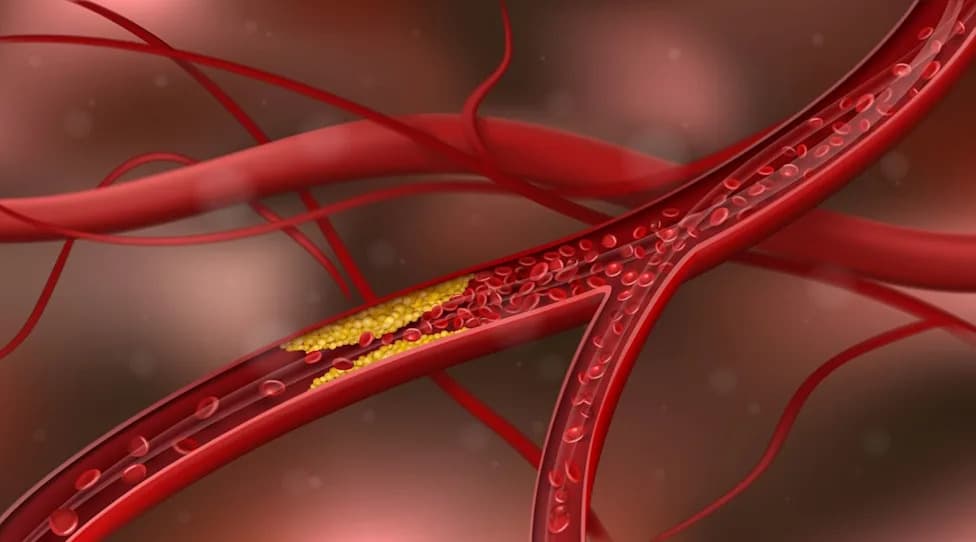
When a patient arrives with chest pain, abnormal electrocardiogram findings and raised cardiac biomarkers, clinicians must rapidly decide whether this is an acute coronary syndrome (ACS) from an obstructed coronary artery or Takotsubo syndrome — the so-called "broken heart" syndrome. The two can look very similar early on, but the correct diagnosis has important implications for treatment.
What Is BioTAK?
BioTAK is a diagnostic score developed to help distinguish Takotsubo syndrome from ACS before patients undergo invasive coronary angiography. The score was derived and externally validated using Swiss registry data from the SPUM ACS and InterTAK cohorts, totaling 3,615 patients.
How the Study Was Conducted
The investigators used a development cohort of 1,823 patients (1,754 ACS, 69 Takotsubo) to create the score and tested it in an external validation cohort of 1,792 patients (1,715 ACS, 77 Takotsubo). Across both datasets there were 146 Takotsubo cases and 3,469 ACS cases.

Image Credit: digitalgenetics via depositphotos
What BioTAK Measures
BioTAK combines five variables: biological sex plus four blood-based biomarkers — NT-proBNP, PAM, sLOX-1 and LDL cholesterol. NT-proBNP reflects cardiac wall stress; PAM and sLOX-1 are linked to stress responses, vasoconstriction, endothelial activation and plaque instability. The combination is intended to capture biological differences between Takotsubo and ACS.
Key Results
In the development cohort BioTAK achieved an area under the receiver-operating-characteristic curve (AUC) of 0.97, and in the external validation cohort an AUC of 0.93, indicating strong discrimination between the two conditions in these datasets. Using predefined rule-in and rule-out thresholds, investigators reported that nearly 90% of patients could be assigned to a likely diagnostic category before invasive angiography.
Limitations and Cautions
- Not a replacement for angiography: The authors emphasize BioTAK is a decision-support tool and should not substitute for cardiac catheterization when clinically indicated.
- Limited Takotsubo cases: Takotsubo was uncommon in the study (146 total cases), so performance may vary in other populations.
- Assay availability: PAM and sLOX-1 are not described as standard, rapid emergency-department assays, raising practical implementation issues.
- No outcome or implementation data: The study did not test whether using BioTAK improves survival, reduces complications, shortens ED stays or prevents missed myocardial infarctions.
- Regulatory and geographic limits: The score has not been shown to be FDA-cleared, included in U.S. guidelines, or validated in a U.S. patient population.
“Our study shows that a simple combination of blood biomarkers and biological sex can identify these patients with remarkable accuracy even before cardiac catheterization,” said Dr. Florian A. Wenzl (University of Zurich, University of Oxford).
“The BioTAK score is not a substitute for cardiac catheterization when it is medically necessary. However, it could help guide diagnostic procedures more effectively and avoid unnecessary invasive tests in selected patients,” said Christian Templin (University Medical Center Greifswald, InterTAK Registry).
What Comes Next?
To move from promising research to routine care, BioTAK needs prospective testing in broader and more diverse populations, evaluation of real-world assay turnaround times (especially for PAM and sLOX-1), and studies that measure clinical outcomes and cost-effectiveness. Regulatory clearance and guideline endorsement would also be required for widespread adoption.
For now, BioTAK is a promising clinical decision-support concept that maps biological signals to a practical score. It may help clinicians stratify patients earlier, but it remains complementary to clinical judgment, imaging and, when necessary, invasive angiography.
Help us improve.