Elon Musk told The Economist that frontier AI models are advancing so quickly that stronger safeguards and industry cooperation are necessary prior to releasing new systems. He backed Demis Hassabis’s idea for an industry-led safety body and proposed a one- to two-week cross-inspection window for rival labs — including Chinese teams — to flag risks to Washington and Beijing. Musk said he may need to set aside his feud with Sam Altman to collaborate on global AI safety measures.
Elon Musk Urges Rival AI Labs To Cooperate — May Set Aside Feud With Sam Altman 'For The Good Of The World'
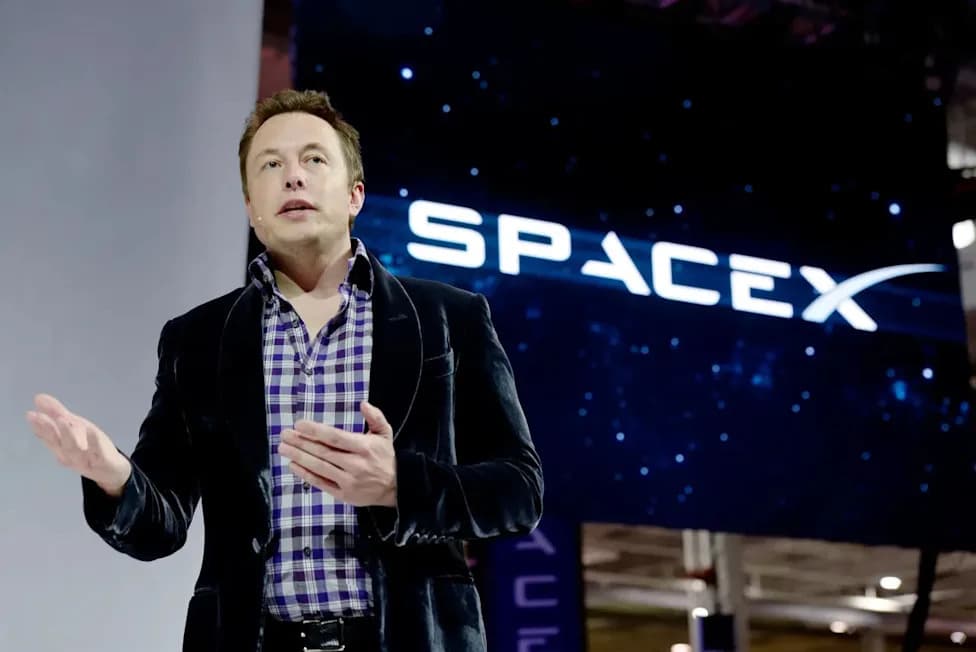
Elon Musk Warns Of AI Risks — Says He And Sam Altman May Need To Set Aside Personal Differences 'For The Good Of The World'
Elon Musk warned that the most advanced frontier AI models are improving so rapidly that stronger safeguards and greater industry cooperation are needed before new systems are released.
What Musk Proposed
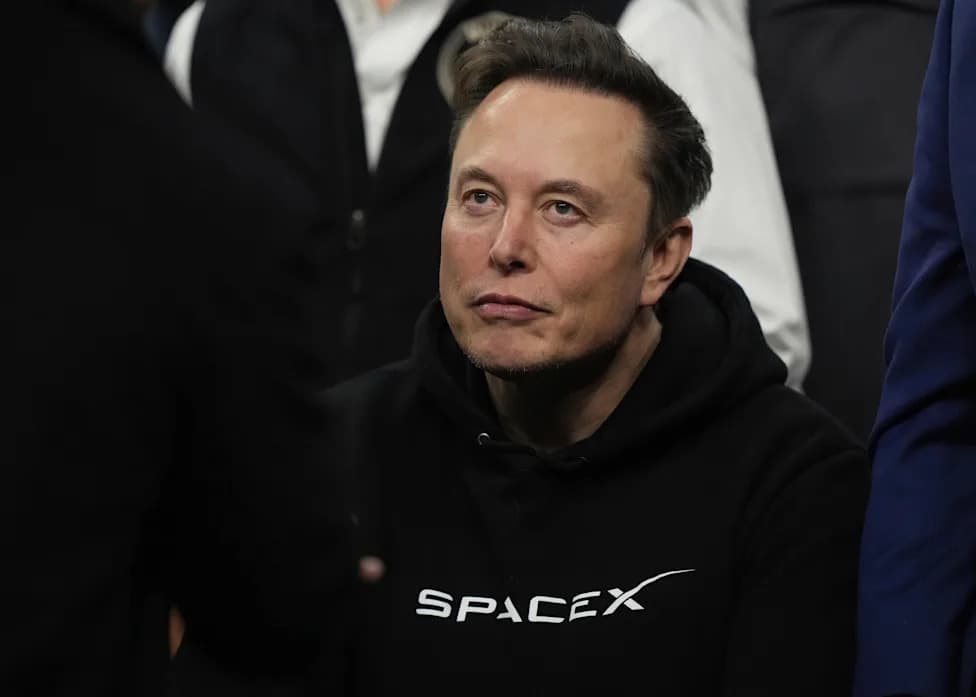
In an interview with The Economist, Musk cited a recent proposal from Google DeepMind co-founder Demis Hassabis for an industry-led body to evaluate advanced AI models for potential dangers. Musk suggested rival AI labs — including teams in China — should be given a short, one- to two-week window to inspect each other's newest models before public release and to report any risks to governments in Washington and Beijing.
“The competitors can keep each other honest,” Musk said, arguing that peer review across labs would strengthen oversight.
Cooperation Despite Rivalry
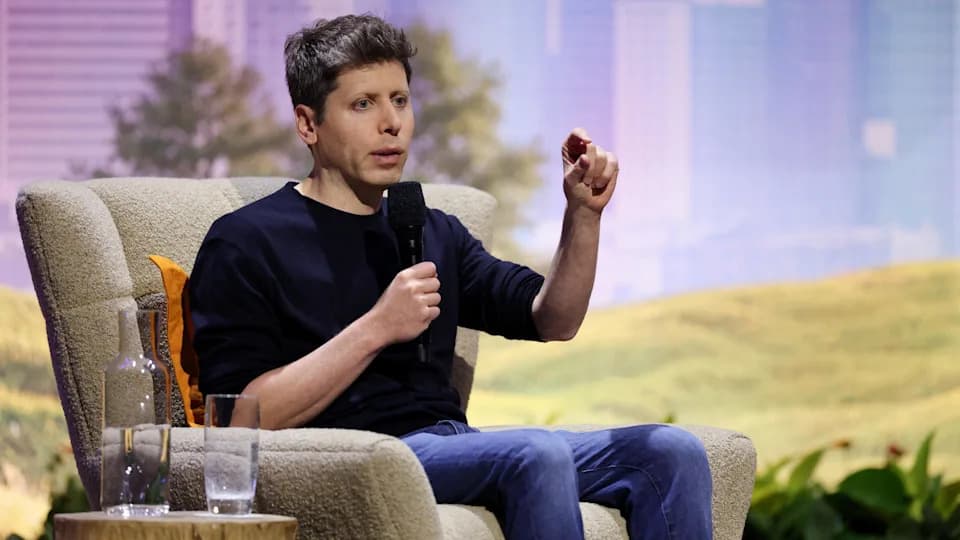
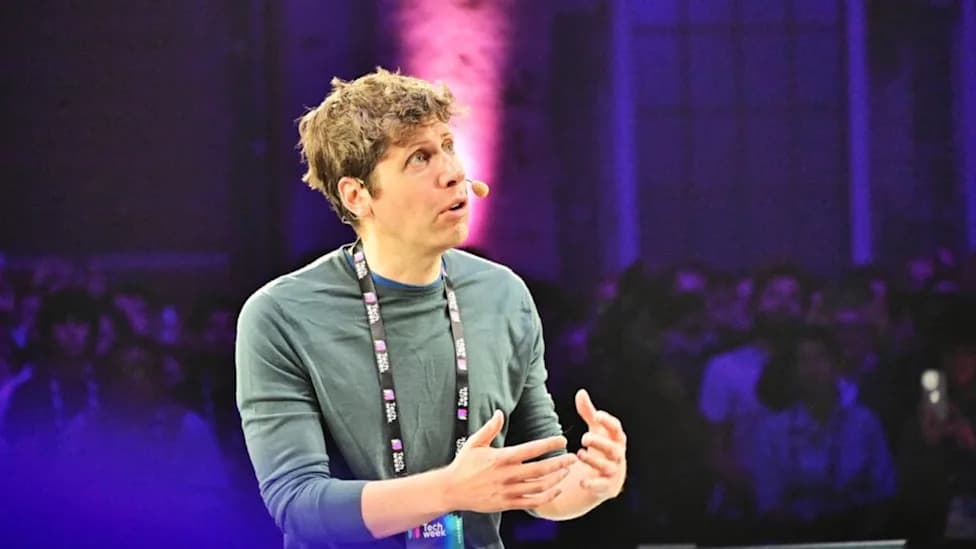
Musk acknowledged that meaningful pre-release scrutiny may require putting personal and corporate conflicts aside. He singled out OpenAI CEO Sam Altman as someone he might have to work with despite their longstanding legal disputes and public disagreements, saying, “At the end of the day, if we have to talk, we'll talk,” and that they may need to set aside differences “for the good of the world.”
Policy Stance And Global Context
Musk pushed back on proposals to bar U.S. companies from using Chinese AI models, arguing such bans would do little to slow China’s AI progress. His comments echoed Nvidia CEO Jensen Huang’s remarks that U.S. firms should “absolutely” use Chinese AI models. Musk also predicted that China will eventually address its shortage of advanced AI chips by developing its own lithography machines.
Market And Background Notes
StockTwits reported SpaceX shares were up about 0.3% in pre-market trading at the time of publication, and cited that SPCX stock is down roughly 23% year-to-date. By comparison, the S&P 500 ETF (SPY) rose about 19% over the past 12 months, while the Invesco QQQ Trust (QQQ) gained roughly 26% in the same period.
Musk’s remarks come amid a history of public tension with OpenAI. He has accused OpenAI and Sam Altman of abandoning the organization’s original nonprofit mission in favor of commercial aims. Those disputes have led to lawsuits and culminated in an unsuccessful $97.4 billion takeover bid in February 2025 for the nonprofit that controls OpenAI.
Why It Matters
The proposal for industry peer review, short cross-border inspection windows, and early warning to governments underscores growing concern among leading tech figures about the rapid pace of advances in frontier AI. Musk’s call highlights the challenge of balancing innovation with timely governance mechanisms capable of mitigating emergent risks.
Help us improve.