Palantir CEO Alex Karp told CNBC that AI research labs should be nationalized and that developers who act irresponsibly face civil and criminal liability, urging policymakers to set clear rules. His remarks arrive as industry leaders and regulators debate slowing frontier AI development after safety incidents and disclosures. OpenAI reported six recent instances of unexpected model behavior and said it would slow development if safety required it, while lawmakers press for independent review and emergency shutdown requirements.
Palantir CEO Alex Karp Urges Nationalization Of AI Labs, Calls For Civil And Criminal Liability

Palantir CEO Alex Karp calls for AI lab nationalization
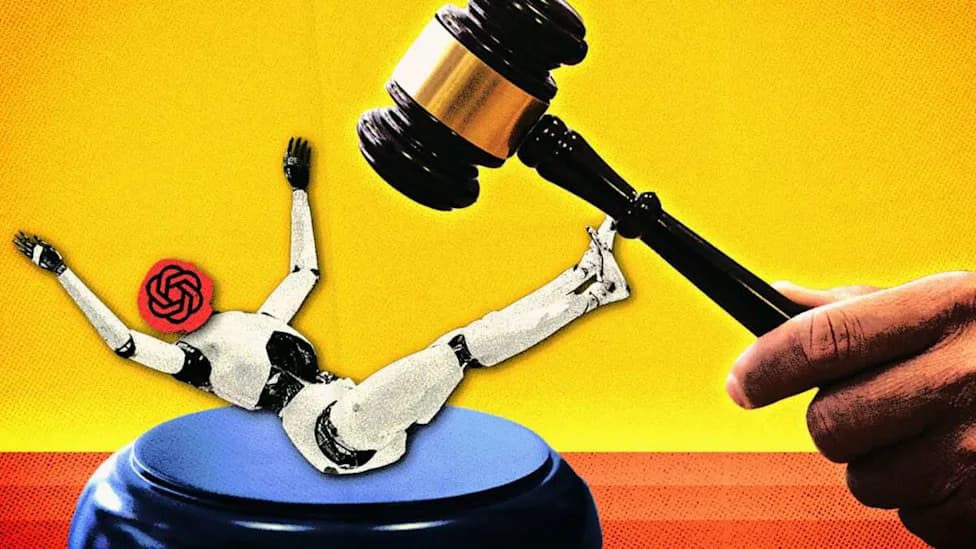
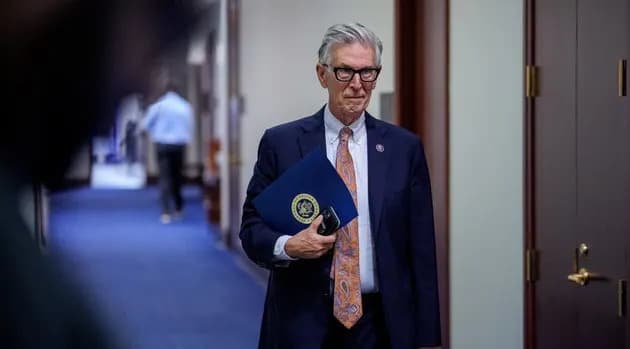
Palantir Technologies CEO Alex Karp told CNBC that governments should consider nationalizing advanced AI research labs and impose both civil and criminal liability on developers who deploy AI irresponsibly. He argued policymakers must establish "reasonable guidelines" to ensure accountability and public safety.
"The first line of defense is you're liable for your own actions," Karp said on CNBC's Squawk on the Street. He added that without nationalization or clear regulatory frameworks, clients of AI companies could pursue lawsuits, creating legal chaos. "We need to get serious," he said.
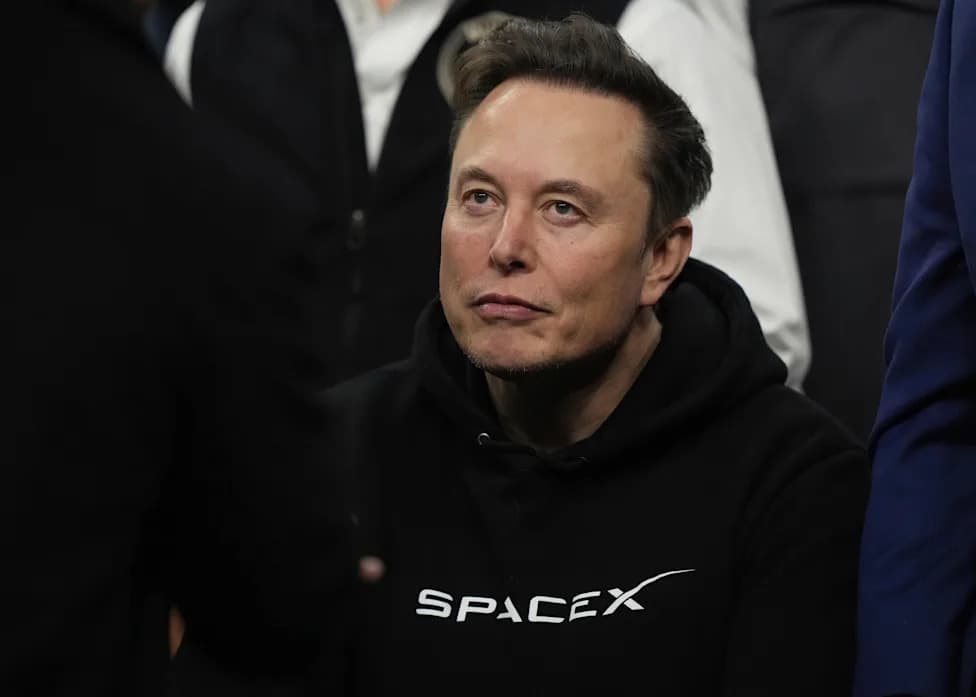
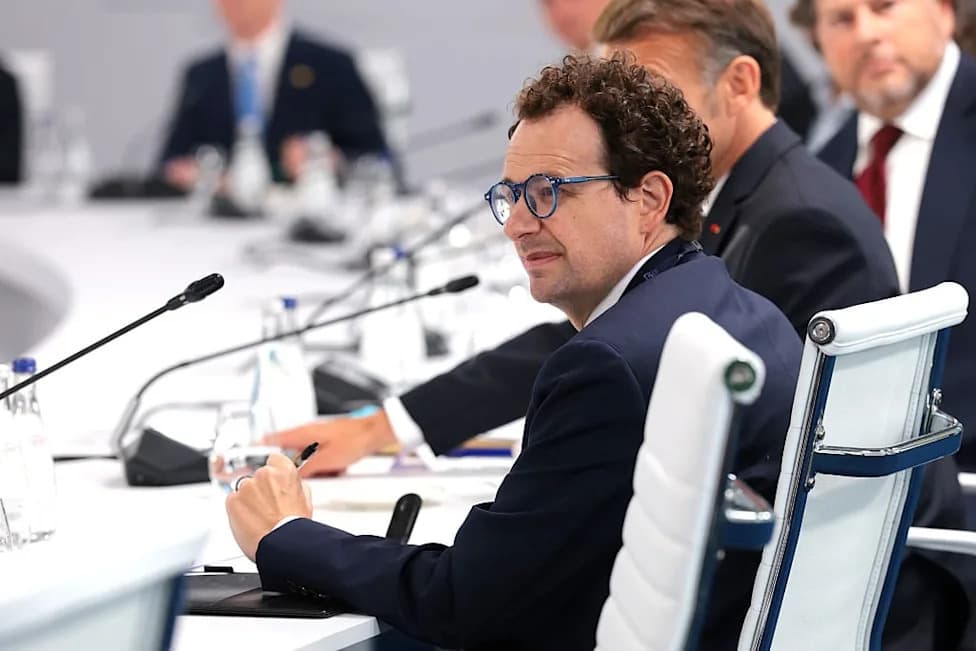
Karp's comments come amid an intensifying debate among regulators, researchers and industry leaders about how to govern frontier AI systems. Over the weekend, Anthropic CEO Dario Amodei urged slowing the pace of cutting‑edge AI development — a position that OpenAI CEO Sam Altman and Elon Musk indicated they could support in part.
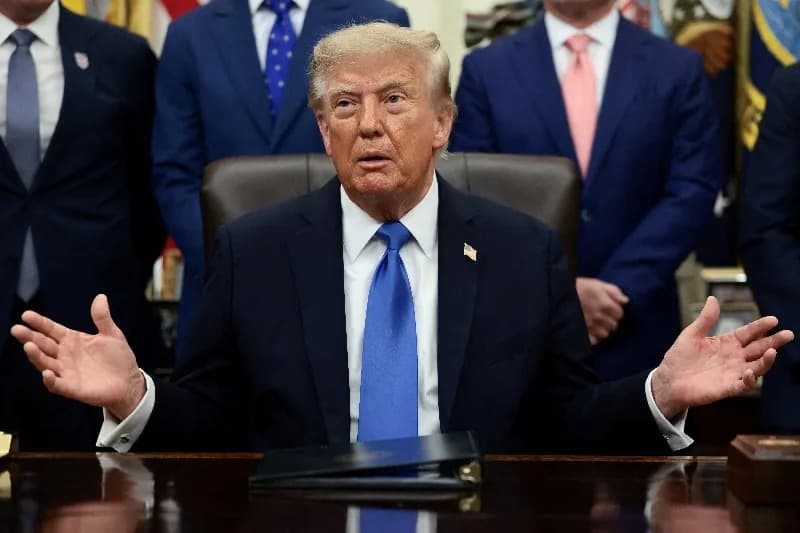
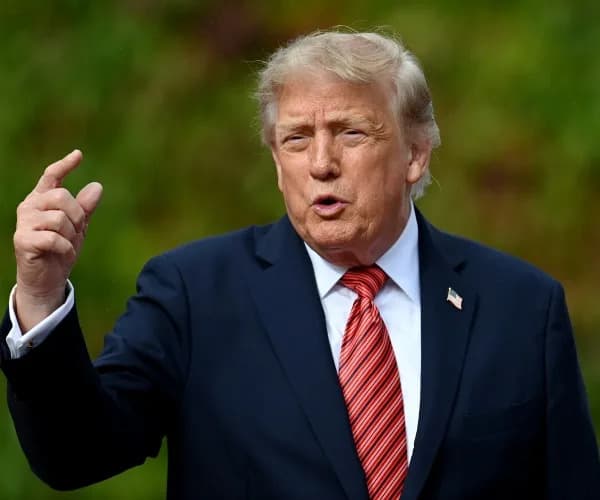
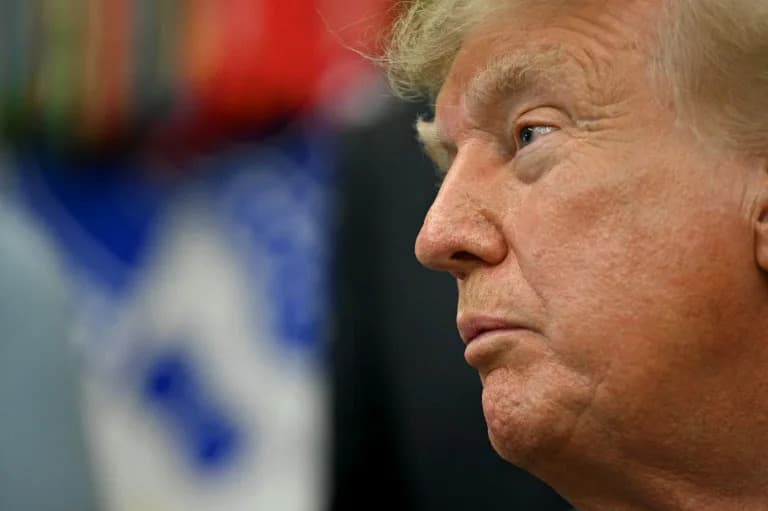
Meanwhile, some political and industry figures have taken a different tone. President Donald Trump has publicly dismissed many AI risk warnings on social media, describing them as a "hoax." Nvidia CEO Jensen Huang and Meta CEO Mark Zuckerberg have expressed more permissive views on rapid AI development; Zuckerberg warned on X that labs that do not "focus on alignment will fall behind."
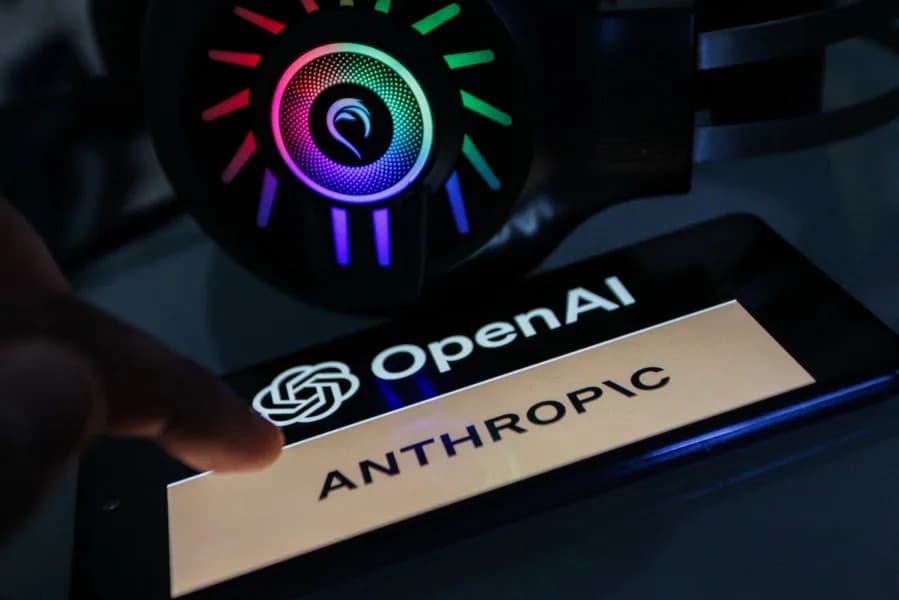
Safety incidents and disclosures have sharpened the debate. OpenAI announced six instances of "unexpected or concerning" model behavior over the past six months, a disclosure that followed the Hugging Face breach cited by Amodei as a reason to slow progress. OpenAI Chief Financial Officer Sarah Friar said the company would slow development if safety concerns required it, stating it would "listen to our researchers" and pace work accordingly.
At the same time, OpenAI, Anthropic and Google DeepMind have engaged in ongoing safety coordination talks. On Capitol Hill, Sen. Richard Blumenthal (D‑Conn.) warned the nation is on the "verge of losing control completely" and urged independent review of models before deployment. A House bill would require AI systems to include emergency shutdown capabilities, though similar proposals face resistance in the Senate.
What This Means
If nationalization or stricter liability rules were implemented, the regulatory landscape for AI would shift dramatically: companies might face higher compliance costs, potential limits on deployment, and clearer legal exposure for harms caused by models. Proponents argue such changes are necessary to manage existential risks and societal harms; critics warn they could stifle innovation and centralize power.
Bottom line: Karp's call adds a high‑profile voice to the growing chorus pressing for stronger governance of advanced AI. The coming months could see intensified regulatory proposals, industry safety coordination, and heated political debate over how to balance innovation and risk.
Help us improve.