Residents of Ladera Ranch, a Southern California community of roughly 26,000, are pressing for answers after nearly a dozen children and teens were diagnosed with the rare Ewing's sarcoma, including two fatalities. Families and local leaders suspect environmental factors such as herbicides and pesticides, prompting a temporary pause on certain chemical products while practices are reviewed. Federal and local agencies — including a requested EPA probe, the Orange County Health Care Agency, the California Cancer Registry and UC Irvine Cancer Center — will analyze data and environmental evidence. Officials stress that determining cause will require thorough epidemiological and environmental investigation.
Ladera Ranch Demands Answers After Rare Pediatric Cancer Cluster
California community wants answers on rare cancer cluster affecting children
A Southern California community is seeking answers and accountability after nearly a dozen children and teenagers in Ladera Ranch were diagnosed with the rare cancer Ewing's sarcoma, including two recent deaths.
Ladera Ranch, a planned community of about 26,000 residents located between Los Angeles and San Diego, has raised alarm after an unusually high number of pediatric and adolescent Ewing's sarcoma cases were reported. By comparison, fewer than 250 children and young adults are typically diagnosed with this disease nationwide each year. Ewing's sarcoma most often affects bone or the soft tissue around bones and is considered rare.

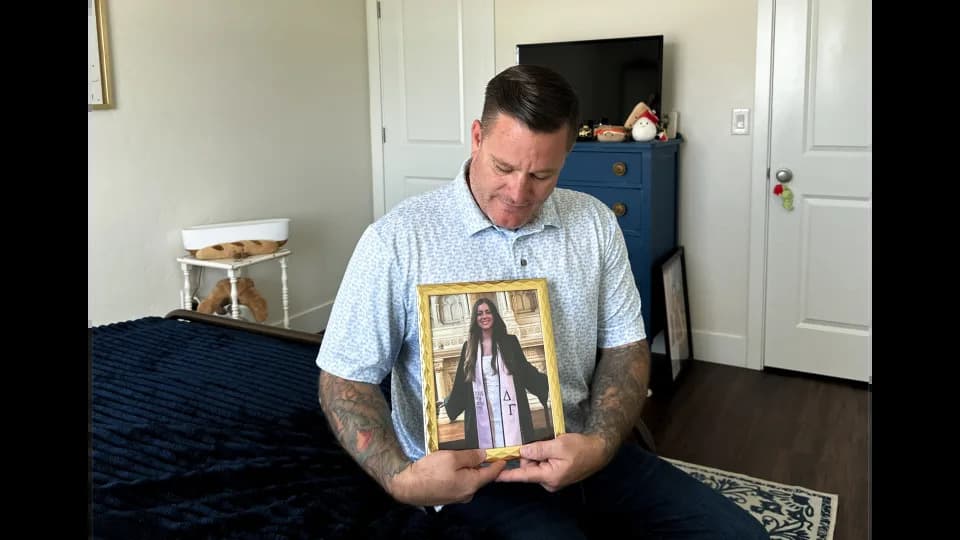
Lilly Dalton (Dalton family)
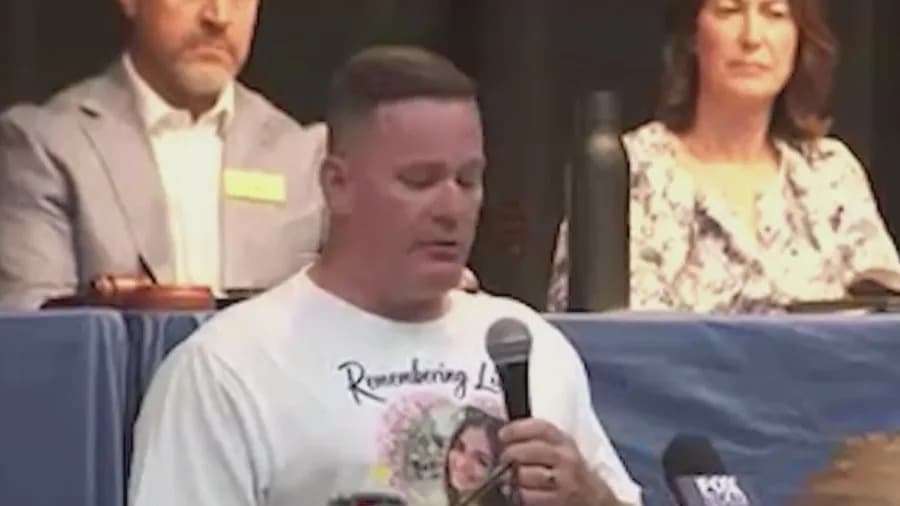
Families demand action. At a recent community meeting, grieving parents urged officials to find the cause and prevent more cases. Brian Dalton, whose daughter Lily Dalton grew up in Ladera Ranch and died at age 23 in January shortly after graduating college, spoke about the toll on families:
"I don't want another mother holding her child's hand through endless treatments, praying for one more birthday. I don't want another family planning a funeral instead of a future."
Local residents and leaders have expressed concern about possible environmental contributors, with particular attention on herbicide and pesticide use in landscaping and public spaces. In response, the community has implemented a temporary pause on certain toxic chemical products while a local advisory committee reviews landscaping and maintenance practices.
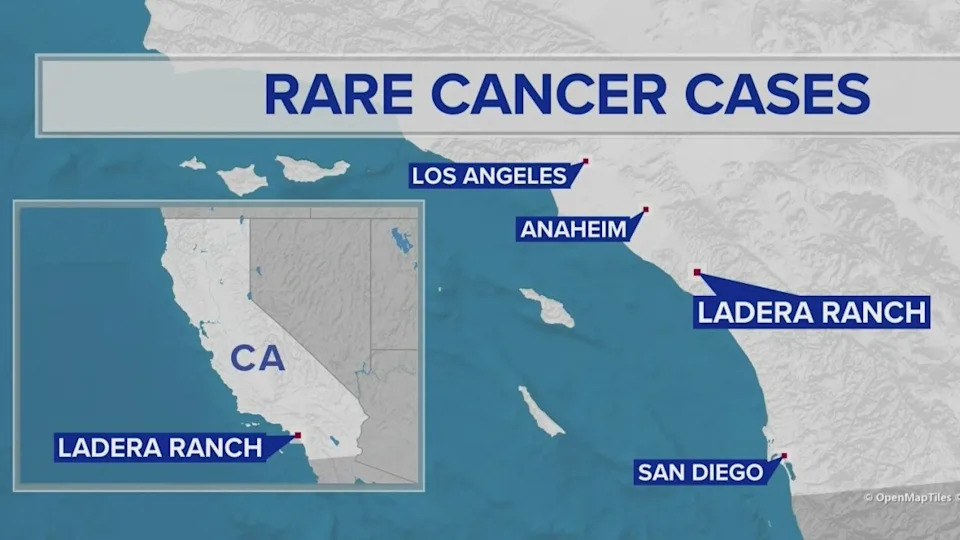
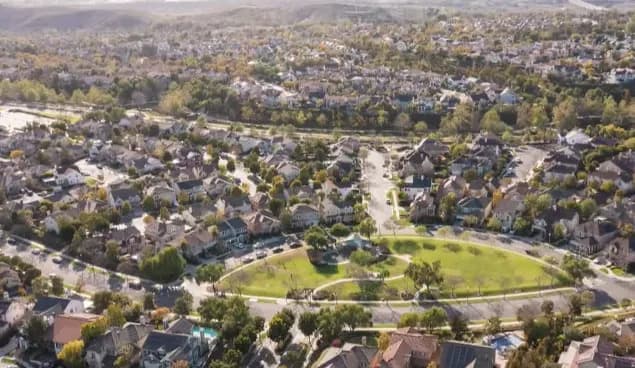
Ladera Ranch sits between Los Angeles and San Diego
Public officials at multiple levels are pursuing investigations and data reviews. First Assistant U.S. Attorney for Southern California Bill Essayli formally requested that the U.S. Environmental Protection Agency open a federal inquiry to determine whether environmental causes or violations of federal environmental laws are implicated. The Orange County Health Care Agency has requested a review of cancer incidence data, and the California Cancer Registry, the UC Irvine Cancer Center and the Orange County Agricultural Commissioner's Office have agreed to analyze local data for patterns or environmental links.
Community members point to nearby policies such as the City of Irvine's decade-old ban on toxic synthetic pesticides on public property as examples of precautionary approaches others might consider. Multiple studies and agency reviews are ongoing, and health officials emphasize that establishing causation for cancer clusters often requires detailed epidemiological and environmental investigation.
What happens next: county and state health agencies, academic researchers and federal investigators will analyze registry data, environmental samples and historical pesticide use to look for common exposures or other risk factors. Families and residents are calling for transparency, timely updates and preventive measures to protect children and the wider community.
Help us improve.