The CDC has declared the largest U.S. Cyclospora outbreak over after nearly 13,000 illnesses across 21 states tied to shredded iceberg lettuce from Taylor Farms. Taco Bell removed the suspect lettuce nationwide within 72 hours and communicated directly with customers, even offering lettuce‑free $1 menu items. The FDA withdrew an initial positive lettuce test as a false positive, though epidemiology and traceback still point to Taylor Farms, and lawmakers have probed whether political donations influenced the response. The episode highlights a gap between detailed federal investigation and the straightforward consumer messaging companies can deliver.
How Taco Bell’s Fast Response Highlighted Gaps in Federal Food‑Safety Communication

U.S. Health and Human Services Secretary Robert F. Kennedy Jr. watches the program on the first day of the 2026 Republican National Convention Kevin Dietsch/Getty Images
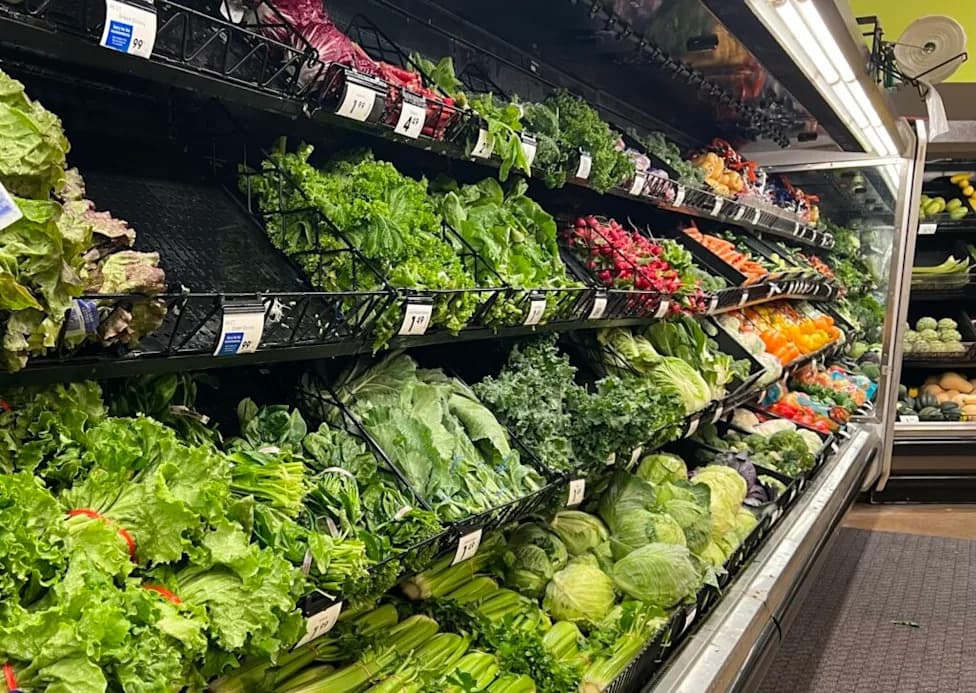
Federal health officials have formally closed the largest Cyclospora outbreak in U.S. history, but questions linger over how the response was communicated. Nearly 13,000 people across 21 states fell ill, 570 were hospitalized and two died after investigators linked the outbreak to shredded iceberg lettuce supplied by Taylor Farms. The CDC declared the outbreak over; the FDA continues to investigate how contamination occurred.
Rapid Corporate Action vs. Complex Federal Investigation
When public-health officials alerted Taco Bell on July 14 that shredded iceberg served at some of its restaurants might be associated with Cyclospora illnesses, the chain moved quickly. Executives convened late-night meetings, coordinated with franchisees, intercepted shipments and said they removed the implicated Taylor Farms product from restaurants nationwide within 72 hours.
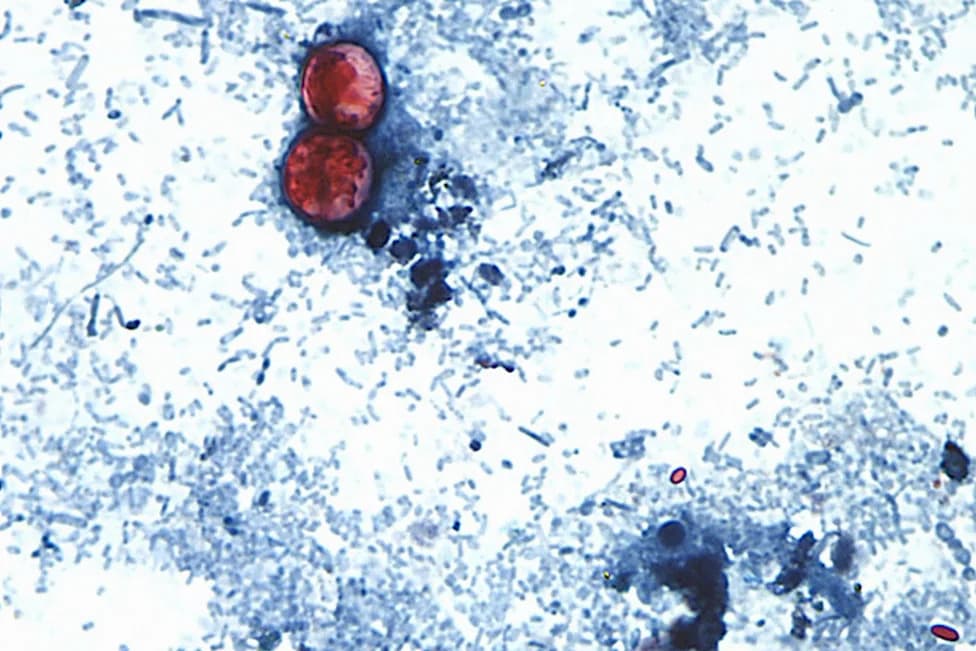
Federal agencies had a different and more methodical task: conducting interviews, lab testing and traceback through a sprawling produce supply chain. On July 16 the CDC and FDA publicly linked the outbreak to shredded iceberg served at Taco Bell; FDA traceback the next day pointed to Taylor Farms. Inspectors initially reported a lettuce sample that tested positive for Cyclospora, but that positive result was withdrawn as a false positive shortly afterward. The FDA has emphasized that epidemiology and traceback evidence continue to implicate the Taylor Farms product even without a confirmed positive lab test.
Politics, Oversight, and Public Confidence
The sequence of events drew scrutiny because Taylor Farms and some of its leaders had made large political donations, including a reported $1 million contribution to MAGA Inc. As attention intensified, company representatives met with White House officials. Sen. Elizabeth Warren wrote to HHS Secretary Robert F. Kennedy Jr. on Aug. 13, calling the federal response “calamitous” and asking whether missteps reflected incompetence or corruption. Rep. Robert Garcia also sought records about possible efforts to influence the FDA inquiry. Neither inquiry has shown that political access changed the investigation, but lawmakers and the public asked what was discussed behind closed doors.
Messaging Matters
For many consumers, the clearer messages came from the drive‑thru. Taco Bell posted a direct Instagram message explaining it had removed the suspect lettuce and invited customers to return. It followed that reassurance with low‑priced, lettuce‑free promotions — a $1 Enchirito and later a $1 Mexican Pizza — both signaling that affected lettuce was not in those items and encouraging customers to come back.
Why this mattered: When federal communications left gaps or required technical caveats about test results and traceback, consumers often filled those gaps with their own interpretations and rumors. Public confidence in food‑safety oversight depends not only on accurate investigation but on clear, timely communication.
The FDA’s detailed epidemiology and traceback work remains essential and ongoing even though the CDC has closed the outbreak. But the episode underscores a familiar problem: in complex public‑health incidents, agencies must balance scientific caution with clearer public guidance so consumers can make informed choices.
Help us improve.