Former Democratic fundraiser Evan Barker says recent Democratic Socialist victories — including a major New York win — reflect coordinated funding from wealthy donors and organized networks rather than purely grassroots momentum. Barker and analyst Robert Stilson point to groups such as Way to Win, American Priorities and Justice Democrats as influential backers. FEC data show more than 60% of Darlisa Chevallier’s fundraising came from out of state, and American Priorities has pledged $10 million this cycle. Observers say increased coordination among donor networks and the DSA has amplified progressive campaigns.
Ex-Fundraiser: DSA Victories Fueled More By Organized Donors Than Pure Grassroots
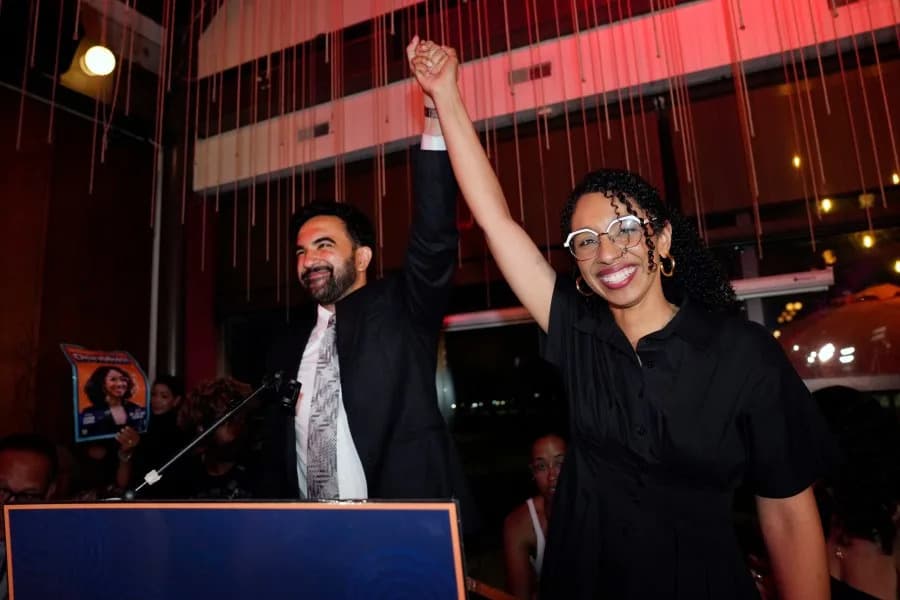
When Zohran Mamdani scored a high-profile victory in New York, many on the left hailed it as proof of a rising, grassroots Democratic Socialist movement. But a former Democratic fundraiser says the reality is more organized and heavily financed than it appears.
Evan Barker, author of Nothing Left: Confessions of a Democratic Operative, spent five years raising money for progressive and DSA-aligned candidates. In an interview with NewsNation, Barker argued that wealthy donors, donor networks and coordinated outside spending are central to recent Democratic Socialist electoral gains.
“This isn't just a grassroots organic movement. There is real organization. There's real money behind them,” Barker said, pointing to influential donor networks and wealthy individuals.
Barker named groups such as Way to Win and prominent philanthropic families as significant funders. He also cited a large super PAC contribution tied to Liz Simons, a hedge-fund heiress, as an example of how single donors or donor families can change the dynamics of local races.
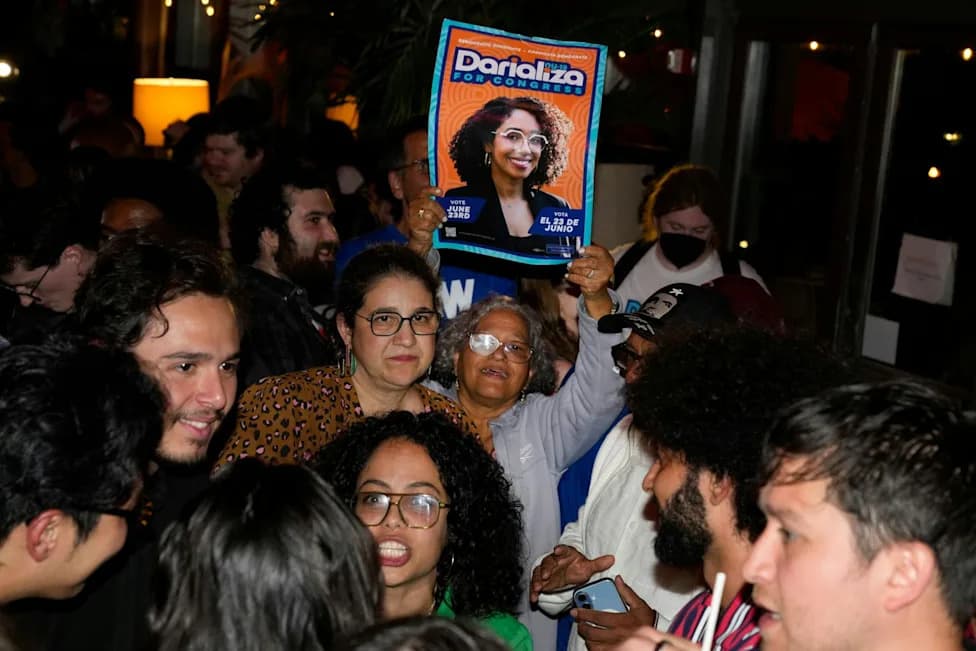
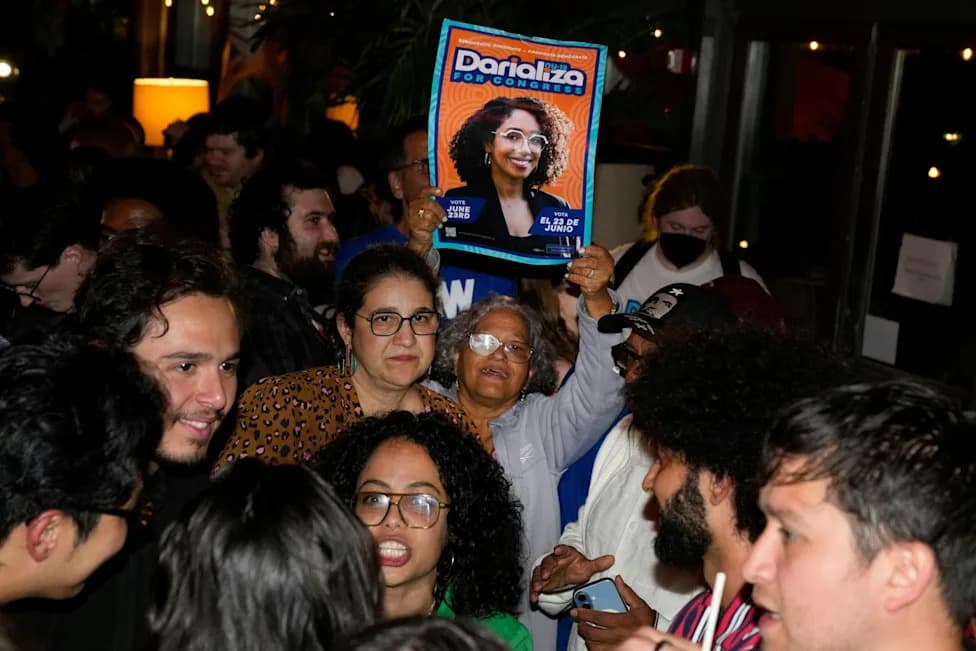
One contested example is the campaign of Darlisa Chevallier, a DSA-backed candidate who has said her campaign is “100% powered by the people” and pledged not to accept corporate PAC money. Barker said outside groups still provided substantial support: “She had a super PAC that supported her called American Priorities, and they put in $500,000 in an ad buy — that's almost unthinkable for a candidate who was fringe a few cycles ago.”
Federal Election Commission records show more than 60% of Chevallier’s reported fundraising came from out of state. Much of the outside spending included super PAC activity: American Priorities, created this year as a pro-Palestinian counterweight to pro-Israel groups, pledged to spend up to $10 million this cycle, while Justice Democrats spent roughly $250,000 on advertising for the race.
Analysts Weigh In
Robert Stilson, a senior research analyst at the Capital Research Center who has tracked the DSA for years, called attention to both the growth and the ideological shift in the organization. He noted that American Priorities — with roughly $6.3 million in revenue in 2024 — is exercising an outsized political influence relative to its size.
“It's not particularly socialist, and it's not particularly American,” Stilson said, criticizing what he described as a movement that has become more ideologically extreme and more coordinated with national donor networks.
Barker echoed the idea that coordination is new and consequential: donor networks, Justice Democrats and the DSA have increasingly partnered to move candidates through primaries and general elections. “In recent cycles they've realized they need to work together to get these candidates over the finish line,” he said.
The debate highlights a central question for modern progressive politics: how to balance grassroots organizing and volunteer energy with the reality that large donations and organized donor networks can rapidly scale campaigns — for better or worse.
Copyright 2026 Nexstar Media, Inc. All rights reserved.
Help us improve.