A cross-party group of MPs has proposed Early Day Motion 465 to halt the use of broad "generic service" licences that campaigners say allow animal experiments to be approved without full details. Home Office FOI data cited by campaigners suggests six such licences approved in early 2026 could cover more than 100,000 animals over five years. Advocates including Animal Aid are urging the government to review licences and redirect funding toward human-relevant alternatives like AI and advanced cell models. While EDM 465 does not change the law by itself, it signals growing parliamentary pressure for reform.
MPs Urge UK To End 'Blind' Generic Licences For Animal Testing
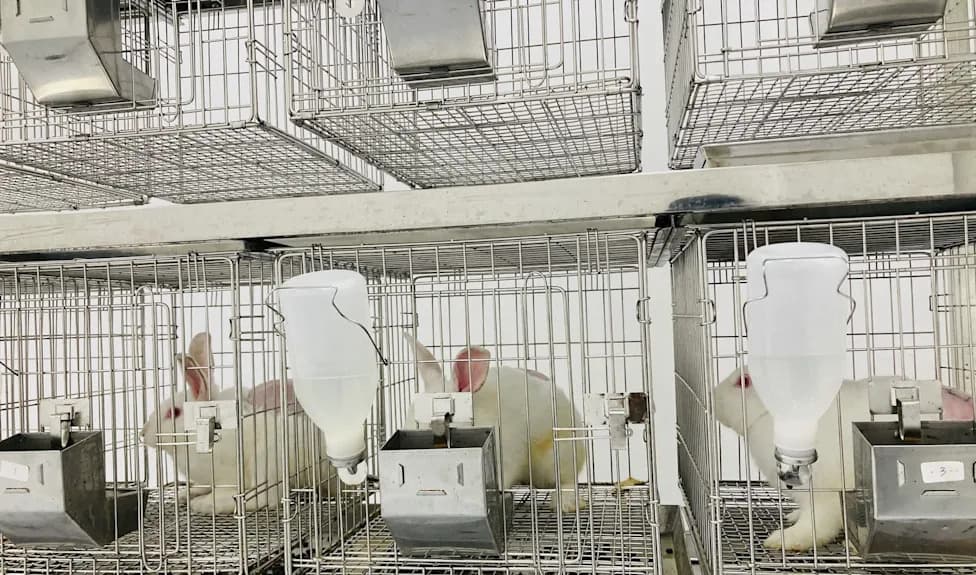
Photo Credit: iStock
A growing cross-party group of British MPs is pressing the government to stop the use of broad "generic service" licences for animal experiments, arguing the practice allows tests to be approved without adequate scrutiny.
What MPs Are Asking For
Early Day Motion (EDM) 465, introduced in late June by Labour MP Neil Duncan-Jordan (Poole), calls on ministers to stop issuing new generic service licences, to review those already in place, and to accelerate delivery of the government's "Replacing Animals in Science Strategy." Plant Based News reported that the motion had the backing of 27 MPs as of 19 July.
Why Critics Are Alarmed
Campaigners and some MPs say these licences can authorise broad categories of testing before regulators have the full details of each individual study, a practice critics describe as "blind approval." Home Office Freedom of Information data cited by Plant Based News indicated that six generic service licences were approved in the first quarter of 2026 and could allow more than 100,000 animals to be used over the following five years.
"When approval is 'blind', so is accountability, and animals pay the price," Duncan-Jordan said.
Wider Concerns
Opponents argue the issue goes beyond animal welfare: it also touches public confidence in how scientific research is regulated. Animal Aid said more than 20,000 people contacted their MPs after its April exposé "Toxicity Inc." and is urging a faster shift toward human-relevant research tools.
Separate Home Office figures show overall animal testing in the UK fell by just 4% between 2024 and 2025, while the use of dogs, cats, monkeys and horses increased in that period. Campaigners say some traditional animal-based toxicity tests can be less predictive for humans than newer approaches based on human biology.
Alternatives And Policy Impact
Animal Aid and other advocates want government funding redirected toward alternatives such as advanced cell models and AI-driven methods. Alex Harman, Animal Aid's campaign manager, said the government should prioritise "superior, human-relevant alternatives like AI and advanced cell models."
EDM 465 would not automatically change the law but could signal growing parliamentary concern and place pressure on ministers to act. Similar debates are occurring internationally — for example, the State of Washington recently banned the sale of cosmetics tested on animals, showing rising pressure to reduce animal testing.
The Question Ahead
The central question now is whether parliamentary attention and public pressure will prompt concrete reform, particularly as advances in AI and lab-based human models make animal-free alternatives increasingly viable.
Reported Supporters: Media coverage named a range of MPs as supporters. The motion’s cross-party backing and the Home Office FOI figures have helped elevate the issue in public debate.
Sources: Plant Based News; Animal Aid; Home Office Freedom of Information data.
Help us improve.