A cross-party group of 18 MPs and one peer has urged Defence Minister Luke Pollard to end the use of real bearskin caps worn by the King’s Guard, calling procurement of Canadian pelts "impossible to justify." They requested the Ministry of Defence suspend further orders while industry and government develop a faux-fur alternative that meets required standards. PETA data show orders rose from 22 caps in 2024 to 96 in 2025, and the MoD says it supports a synthetic alternative if it passes five tests.
MPs Demand End To Real Bear-Fur Bearskin Caps Worn By Buckingham Palace Guards
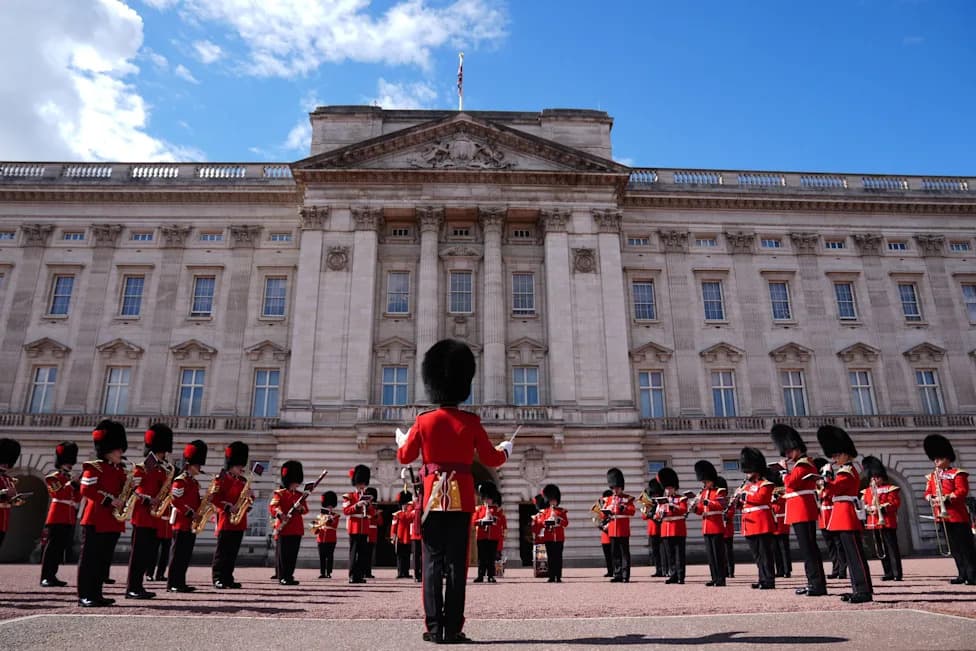
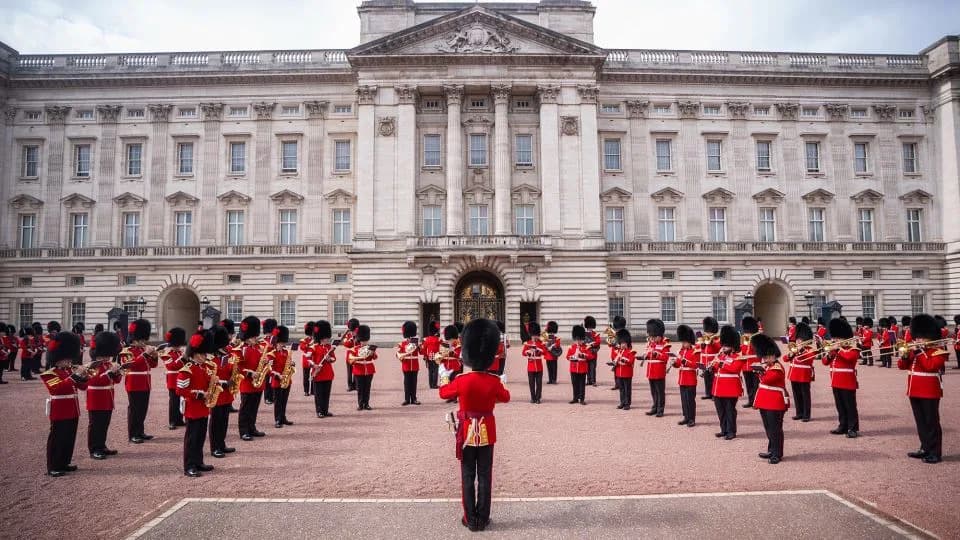
FILE PHOTO - Members of the Massed Bands of the Guards Division perform on the forecourt of Buckingham Palace in London during a commemorative Changing of the Guard ceremony marking the 25th anniversary of the 11 September 2001 terrorist attacks. (is associated with: «UK lawmakers call for end to real bear-fur hats for palace soldiers») Ben Whitley/PA Wire/dpa
A cross-party group of 18 MPs and one peer has written to Defence Minister Luke Pollard urging the government to stop using real bearskin pelts—sourced from Canada—to make the tall, iconic caps worn by the King’s Guard outside Buckingham Palace and St James's Palace.
What the MPs Want
The parliamentarians, representing Labour, the Liberal Democrats and the Green Party, say bearskin caps should be replaced with a high-quality faux-fur alternative to "meet today’s ethical standards." In their letter, seen by the Press Association, they called the continued use of real bearskin "impossible to justify."
"Both Parliament and the British public have consistently rejected the cruelty associated with the fur trade," the letter says. "The Ministry of Defence must suspend any further orders of real bearskins pending a faux-fur replacement."
Key Concerns
The MPs highlighted animal welfare concerns, saying bears are still being shot with crossbows and killed, their cubs orphaned, and the pelts used to make new caps. They urged the MoD to work proactively with manufacturers and suppliers to develop and adopt a suitable synthetic alternative in line with the government’s animal-welfare commitments.
Historical Context And Recent Data
Bearskin caps were introduced into the British Army after the Battle of Waterloo in 1815 to make soldiers appear more formidable. Today they remain a ceremonial symbol worn by the King’s Guard.
Freedom of information data released by animal-rights group PETA show orders for the tall fur caps rose from 22 in 2024 to 96 in 2025—more than a fourfold increase since Labour took office.
Government Response
The Ministry of Defence has publicly said it supports replacing bearskin caps with a faux-fur alternative, provided any substitute meets five specified tests. A MoD spokesperson told the Press Association: "The MoD backs replacing bearskin caps with a faux fur alternative and we have set five tests any alternative must pass. We are happy resuming work with PETA on an alternative should they wish to re-engage."
The previous Conservative government also investigated synthetic options but concluded that available materials had not met the standards required.
What Happens Next
The letter asks Defence Minister Luke Pollard to instruct the MoD and its suppliers to suspend further purchases of real bearskin and to begin or accelerate work developing an acceptable faux-fur replacement. The matter may prompt further parliamentary debate and engagement with animal-welfare groups, manufacturers and the MoD.
Help us improve.