
Iran's wide range of climates supports remarkable biodiversity, but recent strikes tied to US–Iran exchanges are intensifying ecological harm. A 2024 Iran Environment Department report lists at least 86 species at risk, including the Asiatic cheetah and Persian onager. Experts warn that habitat degradation, oil pollution in the Strait of Hormuz and noise from bombardments are causing both direct and indirect damage, and that recovery efforts are likely to be sidelined during post-conflict reconstruction.
Iran Conflict Puts Rare Wildlife and Fragile Ecosystems Under Siege
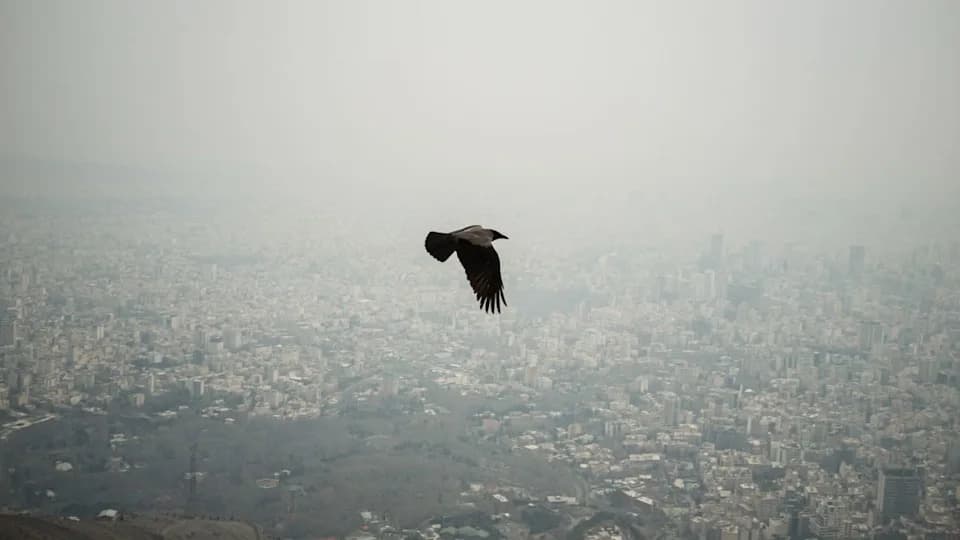
Iran's diverse climates make it a haven for a vast array of animals. | Credit: Morteza Nikoubazl / NurPhoto / Getty Images
The recent escalation of strikes connected to US–Iran exchanges in the Middle East is adding a new layer of environmental damage to Iran's already strained natural heritage. Conservationists warn that bombardment, pollution and noise are harming habitats that support many threatened species.
Why Iran Matters For Biodiversity
Iran's varied climate zones—from deserts and steppes to mountains and coastal waters—support an exceptionally diverse array of wildlife. According to a 2024 report by Iran's Environment Department, at least 86 species in the country are at risk of extinction, including the Asiatic cheetah, Persian onager, Persian fallow deer, brown and black bears, leopards, the great bustard and numerous birds of prey.
Direct Threats From Strikes
Experts quoted by The Associated Press say strikes on remote military facilities in deserts and mountain ranges are causing habitat degradation through land-cover destruction, soil contamination and water pollution. Jamshid Parchizadeh, a US-based Iranian wildlife expert, told the AP that displacement from intense bombardment can force species such as Persian leopards and brown bears to abandon historic ranges.
Marine Impacts
The Strait of Hormuz—home to some of the region's most diverse coral communities—has seen repeated oil slicks after attacks on tankers, Greenpeace researchers say. Marine scientist Martin Grosell told CNN that many crude-oil compounds "target heart function and respiration" and that prolonged exposure suppresses immune systems, increasing susceptibility to disease.
Noise, Stress And Long-Term Ecological Damage
Beyond direct casualties, intense noise from bombardment inflicts severe physical and psychological stress on animals. At Tehran's Lavizan Bird Garden, staff reported that deafening explosions caused birds to panic, collide with enclosure walls and suffer injuries or death. International research on wildlife in conflict zones also documents disrupted migration, altered feeding and breeding patterns, and behavioral changes such as increased aggression or depression.
"A lack of official reports does not equate to an absence of damage," warns observers who say ecological harm is often underreported during conflict.
Recovery Challenges
Nonprofit outlets and conservationists caution that environmental rehabilitation frequently receives low priority in post-conflict reconstruction. Iran was already facing decades of mismanagement, prolonged drought and water stress before the recent violence—factors that compound the risk to its fragile ecosystems.
What Remains Needed: Improved monitoring, emergency protections for critical habitats, pollution mitigation, and long-term funding for species recovery are essential to prevent further biodiversity loss.
Help us improve.





















