Fiona Cameron purchased "Hypno by Bhang" on Amazon after years of insomnia; independent testing found the product contained prescription Zopiclone. She spent about £1,100 across a year, developed dependence and suffered severe withdrawal described as "hyperinsomnia." The MHRA and Amazon say they are investigating; pharmacists warn Zopiclone is intended for short-term use because of dependence and withdrawal risks.
‘Herbal’ Amazon Sleep Pills Tested Positive For Prescription Zopiclone — User Develops Dependence

How I discovered the truth about the 'herbal' sleeping pills I got hooked on
Fiona Cameron, a fiction writer from Castle Douglas, Dumfries and Galloway, bought a product marketed on Amazon as Hypno by Bhang, described as a "herbal sleep aid supplement for deep restful sleep." After nightly use for about a year she discovered the pills were not herbal: independent testing indicated they were prescription-strength Zopiclone, a sedative-hypnotic intended for short-term treatment of insomnia.
Fiona told BBC Radio 4's Your and Yours that she had suffered poor sleep for most of her adult life and that over-the-counter remedies from pharmacies had not helped. She bought Hypno by Bhang in January and, because it often sold out, set up a subscription and spent roughly £1,100 over the year.
Alarmed by reviews on Amazon suggesting the product might be illicit, Fiona sent an unopened packet to WEDINOS, a free drug-testing service funded by Public Health Wales. The service reported the tablets tested 100% positive for Zopiclone.
"I realise now it's because I was addicted to them — I wanted to make sure that I didn't run out because they really work," Fiona said. She added that when she tried to stop she experienced severe withdrawal and a weeks-long period she described as "hyperinsomnia" — feeling wired day and night.
On returning to her GP, Fiona was offered alternative treatments, but she says none matched the effect of Zopiclone. She believes the medication cost her a year of productivity: "I write fiction and I got no work done of that type over that year," she said.
Expert context: Laura Wilson, director for Scotland at the Royal Pharmaceutical Society, emphasised that Zopiclone is normally prescribed only for very short periods — often a week at a time — because longer use raises the risk of dependence. Withdrawal reactions can include rebound insomnia, anxiety, agitation and nausea; prescribers should also consider interactions with other medications and safety-sensitive jobs, as Zopiclone causes drowsiness.
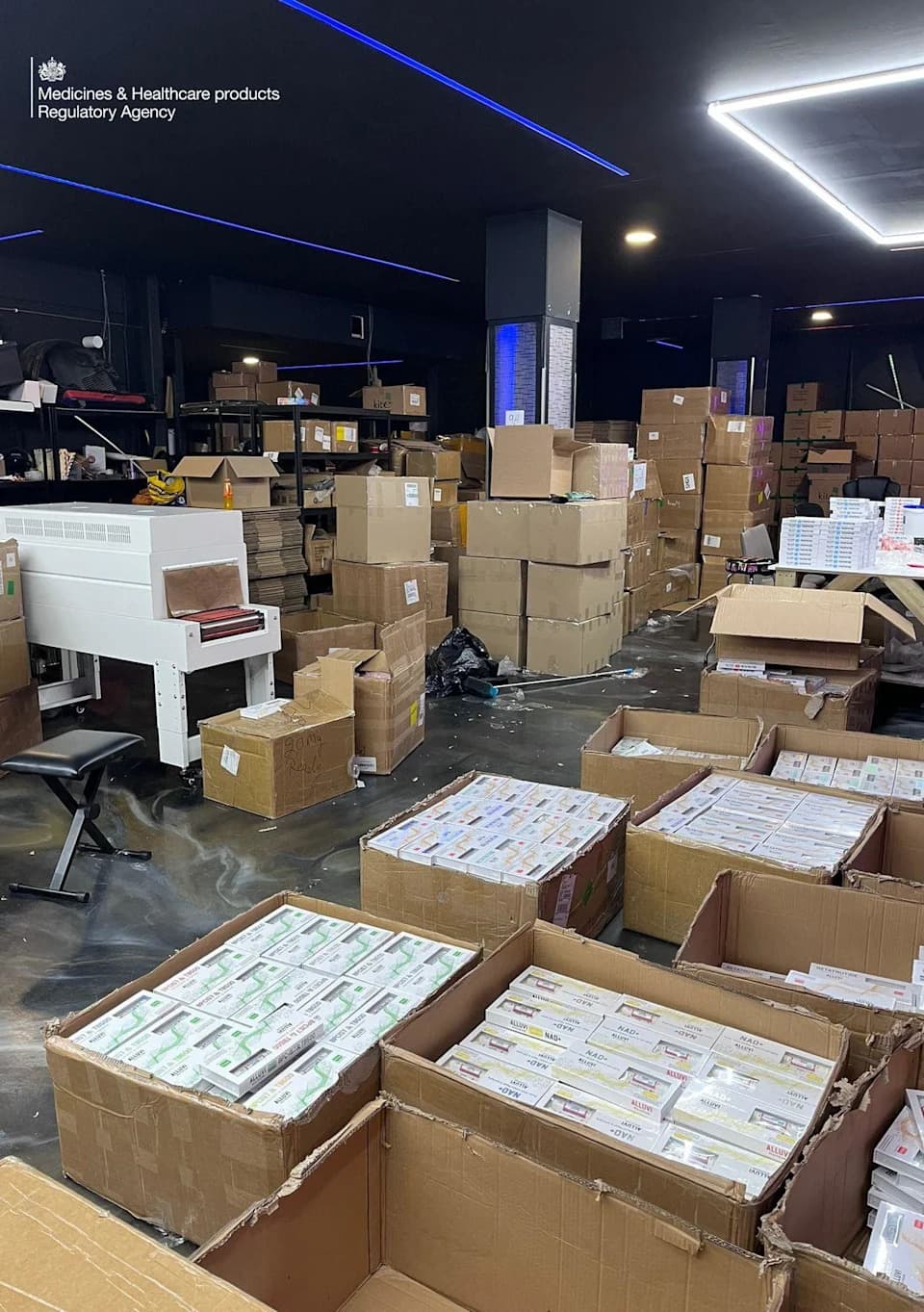
Fiona bought the tablets from three Amazon sellers: Mollienet Limited, Bullwell Limited and BITZ4U Limited. She said Amazon referred her complaint to a third-party loss adjuster, Sedgwick, and she found the response unsatisfactory. The Medicines and Healthcare products Regulatory Agency (MHRA) confirmed it is investigating the products. Amazon said it had launched its own probe, removed the listings and that sellers who violate policies may face action, including account removal.
Wider concerns
The case highlights the risk of prescription medicines being marketed as supplements online, the limits of marketplace policing, and the real harms to consumers when regulated drugs are sold without medical oversight. Independent testing services such as WEDINOS can help identify dangerous or mislabelled products, but the episode raises questions about seller accountability and consumer protection on large e-commerce platforms.
What to watch for: consumers who experience unexpectedly strong effects from a "herbal" supplement should stop using it, keep the product packaging, seek medical advice and consider independent testing. Regulators and retailers say they are investigating; medical experts stress that hypnotic drugs should be taken only under a prescriber's guidance and for the shortest effective period.
Help us improve.