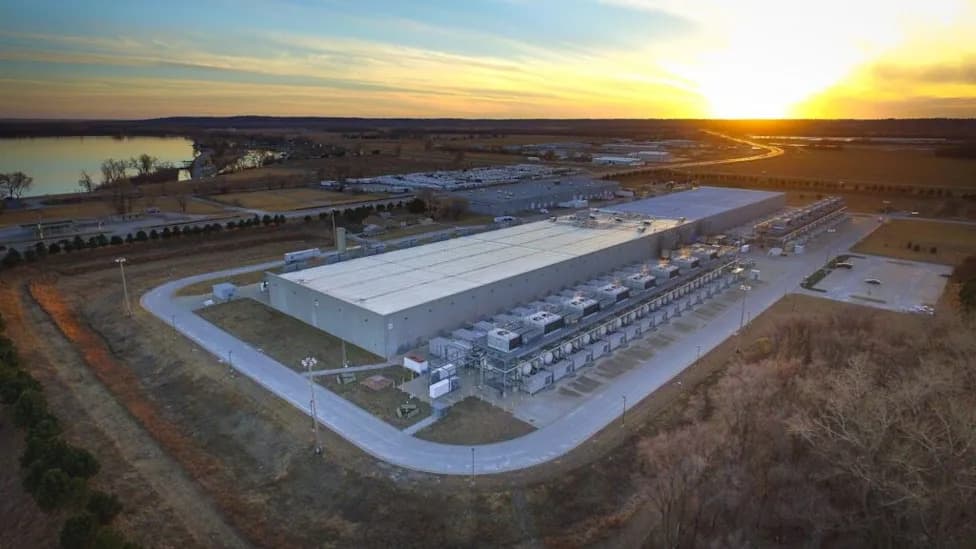
Verdict: False. Meta’s Los Lunas data center did not “completely drain” the Rio Grande. The facility reported roughly 75 million gallons withdrawn in 2023 and about 67 million in 2024, but those withdrawals were made through the Village of Los Lunas municipal system supplied by groundwater wells, not by direct river takings. Federal and state officials point to drought, very low snowpack, early snowmelt and low reservoir storage as the main causes of 2026 low flows and localized drying.
Fact Check: Meta’s Los Lunas Data Center Uses Millions of Gallons — But It Did Not ‘Drain’ The Rio Grande
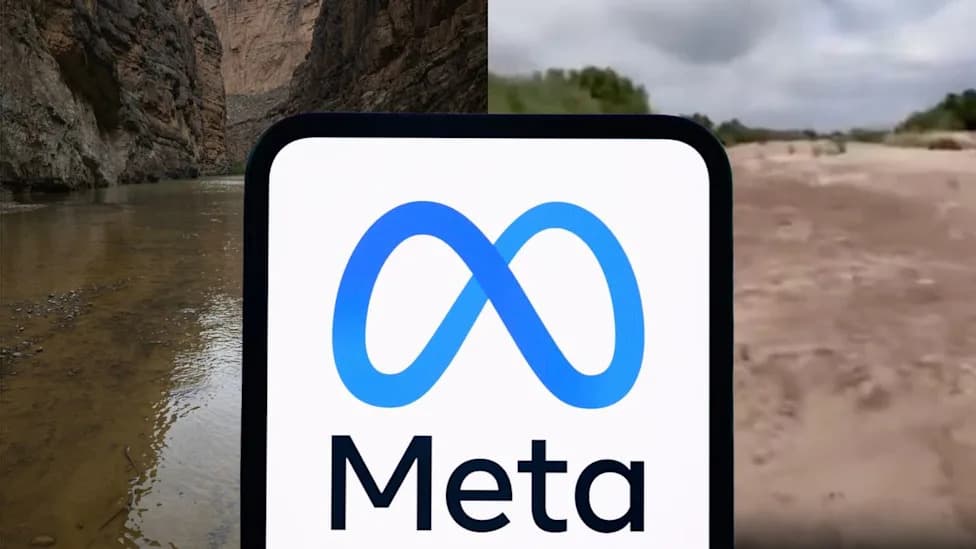
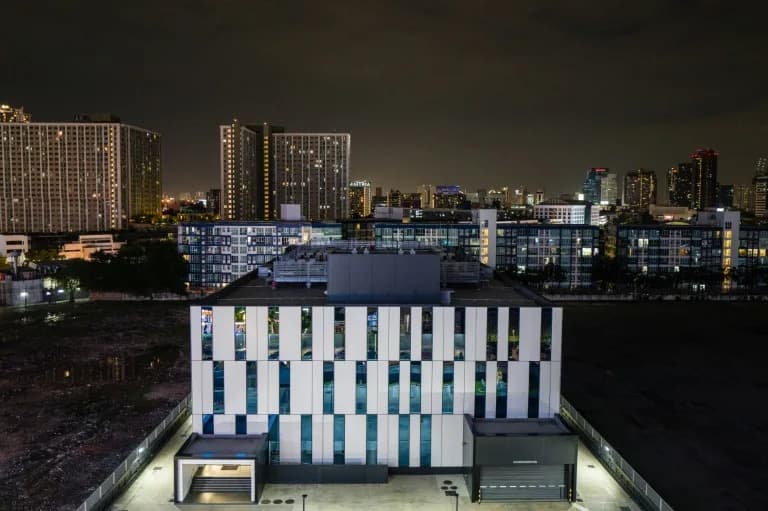
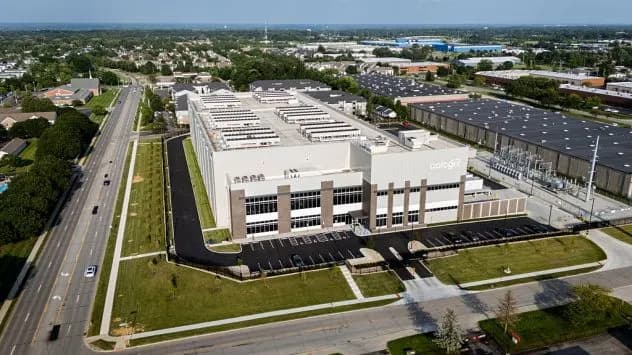
Substack account @rawstory, Andrew Lichtenstein and Samuel Boivin, accessed via Getty Images
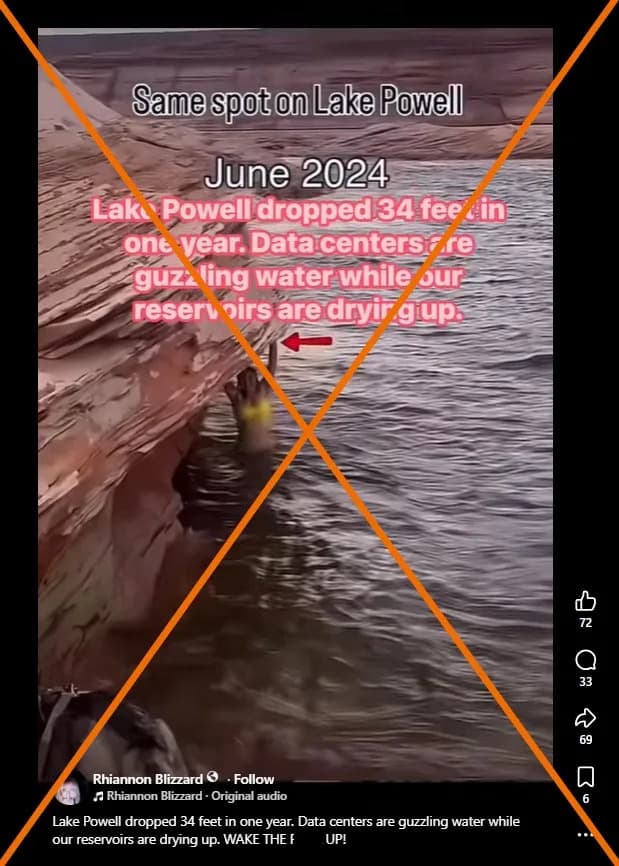
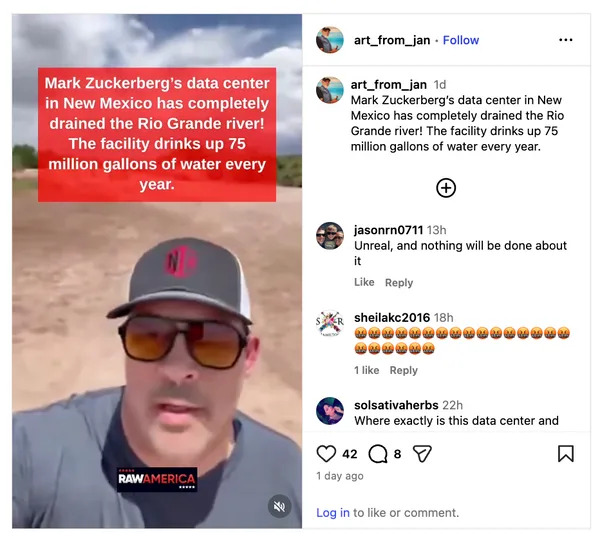
Social media posts in July 2026 claimed that Meta’s data center in Los Lunas, New Mexico, had “completely drained” the Rio Grande and repeatedly cited a figure of about 75 million gallons per year. Those posts conflate annual municipal water withdrawals with direct river takings. Available documents and statements from federal and state water managers show the facility is served by the Village of Los Lunas municipal system (groundwater wells) and does not directly withdraw water from the Rio Grande.
What the Claim Says
Viral posts on Instagram, Reddit, Facebook and other platforms described the site as having “sucked the Rio Grande dry” and repeated the 75 million gallons figure. That 75 million–gallon number appears to come from Meta’s Environmental Data Index reporting for 2023; Meta reported about 67 million gallons withdrawn in 2024.
What the Evidence Shows
Source of Water: Meta told fact-checkers the Los Lunas facility receives water from the Village of Los Lunas municipal system, which is supplied by groundwater production wells. Meta provided a March 2025 water and wastewater service agreement with Greater Kudu LLC (the Meta-related customer) that states the village’s permit allows drawing water “from the underground aquifer.”
Water Rights: The agreement and Meta’s response contain no language showing the data center holds Rio Grande surface-water rights or withdraws directly from the river. Meta also said it does not hold Rio Grande water rights and disputed claims that the site drained the river.
Capacity vs. Typical Use: The service agreement includes a reserved capacity guarantee of up to 3 million gallons per day in a maximum-use scenario (except during a declared Stage 3 water emergency). That is a capacity reservation, not a record of typical daily consumption.
What Officials Say
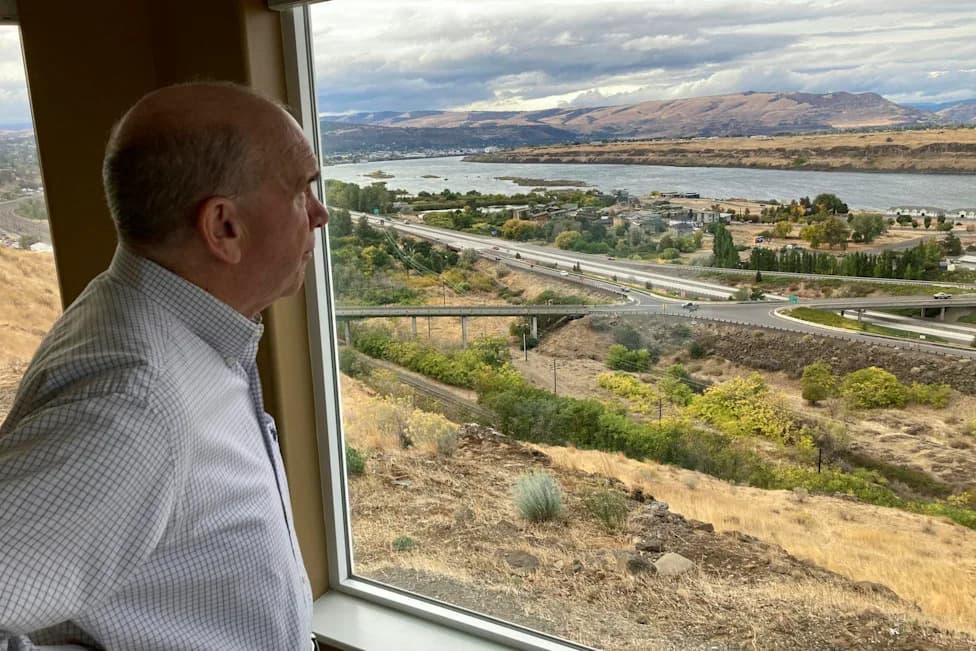
The U.S. Bureau of Reclamation told fact-checkers it saw “nothing to indicate” the Los Lunas data center caused reaches of the Rio Grande to dry. Federal and state agencies attributed 2026 drying and low flows mainly to hydrological factors: historically low snowpack, unusually early snowmelt, very low reservoir storage, warm spring temperatures and long-term drought. In one documented case, the San Acacia reach began to dry on March 27 — the earliest recorded date in three decades — a symptom of broader regional hydrology rather than a single point source.
The New Mexico Office of the State Engineer/Interstate Stream Commission said the village’s total water use (including deliveries to the data center) is incorporated into regional water-rights modeling. Because the facility receives municipal water, the office does not have separate records of its withdrawals.
Broader Context: Data Center Water Use
Data centers can use substantial amounts of water for cooling. Facilities that rely on evaporative cooling towers remove heat by evaporating water, which drives direct water withdrawals. Research and reports highlight both direct and indirect water footprints: a 2024 Lawrence Berkeley National Laboratory study estimated U.S. data centers directly consumed about 66 billion liters in 2023 and had a far larger indirect footprint from electricity generation.
Meta says it aims to be “water positive” by 2030 — restoring more water than it consumes in watersheds where it operates — and reported investments in seven Rio Grande watershed restoration projects that restored more than 136 million gallons in 2024 and are expected to restore over 149 million gallons per year once fully implemented.
Bottom Line
Meta’s Los Lunas data center did withdraw tens of millions of gallons per year (about 75 million gallons in 2023 and about 67 million in 2024), but available evidence indicates those withdrawals came from the Village of Los Lunas municipal system fed by groundwater wells, not from direct Rio Grande surface-water withdrawals. Federal and state water managers identify drought, low snowpack, early snowmelt, low reservoir storage and warm temperatures as the primary drivers of 2026 river drying. While groundwater pumping can influence surface flows in complex ways, there is no direct evidence the data center “completely drained” the Rio Grande.
Note: Questions remain about cumulative groundwater and surface-water interactions in the region; local hydrology is modeled by state authorities who incorporate municipal uses, but isolating indirect impacts requires detailed hydrogeologic study.
Help us improve.