An HVAC apprentice warns that the largest climate risk from cooling is often refrigerant venting, not electricity use alone. They report R-410A appears in roughly 95% of residential and commercial systems they service and say enforcement of EPA 608 certification and refrigerant-handling rules is weak. The apprentice and commenters call for faster adoption of low‑GWP refrigerants, stronger enforcement, leak checks, regular maintenance, and demand‑reducing measures like better insulation and shading.
HVAC Apprentice Warns: Venting Refrigerants — Not AC Use Alone — Drives Much of Cooling’s Climate Harm
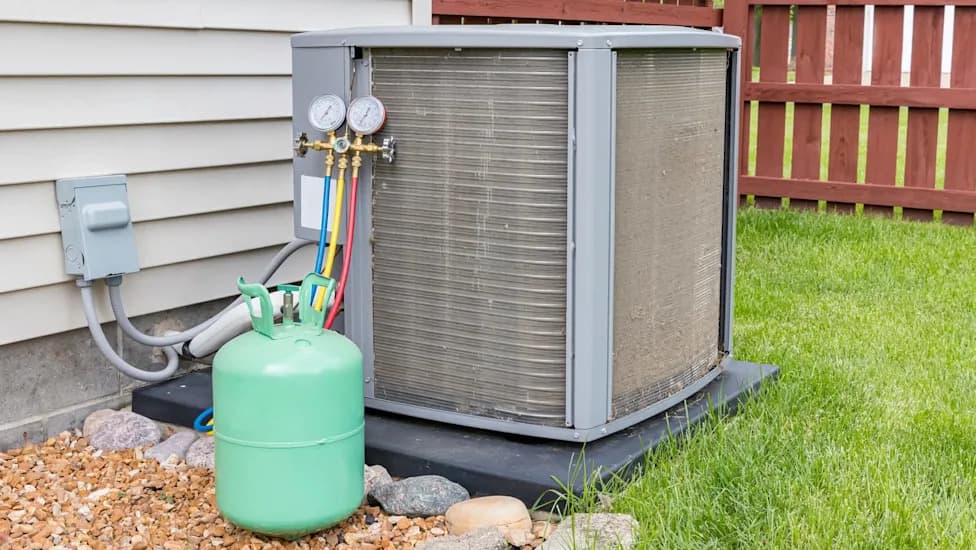
Photo Credit: iStock
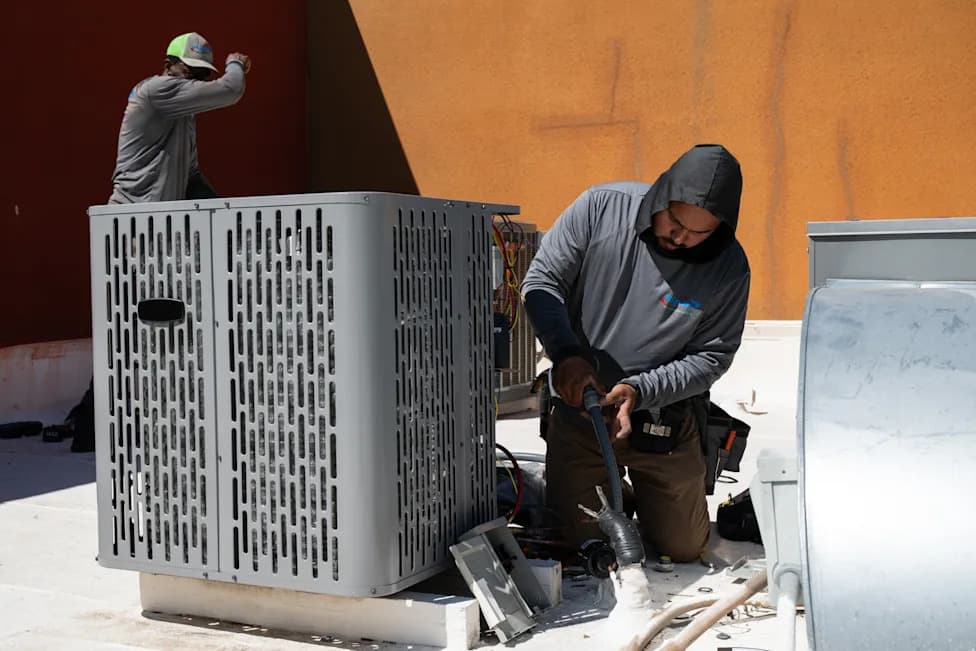
As heat becomes more dangerous and air conditioning shifts from luxury to necessity, an HVAC apprentice on Reddit argues the real climate threat from cooling is often misunderstood. Their concern: it’s not only electricity use but the release of powerful refrigerants when technicians vent them to the atmosphere.
Why Refrigerants Matter
Most conventional air conditioners use chemical refrigerants whose climate impacts are measured by global warming potential (GWP), a metric that compares a refrigerant’s warming effect to carbon dioxide. Drawing on field experience, the apprentice says R-410A is the dominant refrigerant in the residential and commercial systems they service—about 95% of the units they see. They also noted that R-22, an older formulation now banned in many places, carried an even higher climate cost.
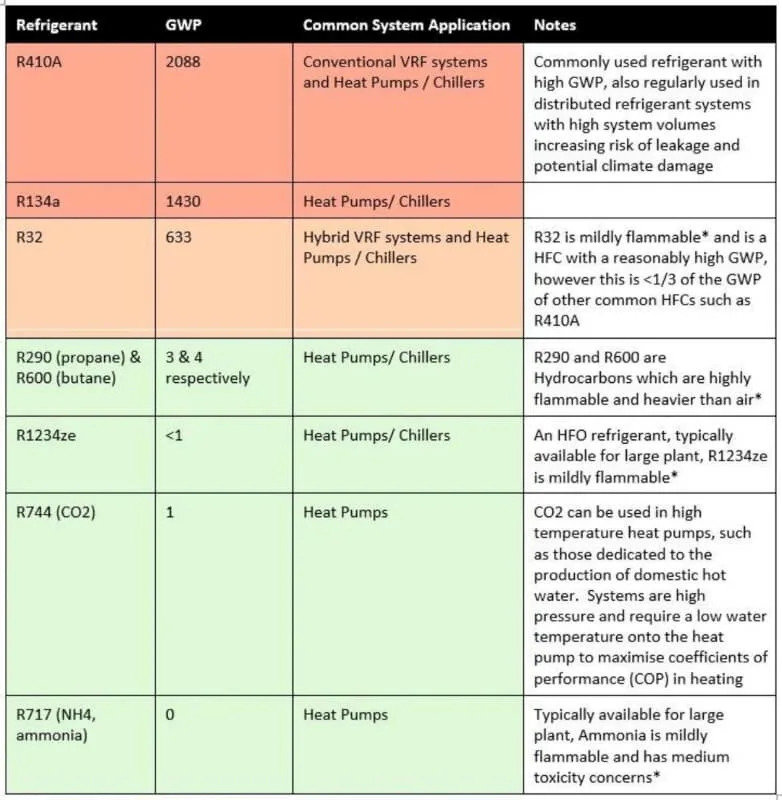
Photo Credit: Reddit
Leaky Practices and Weak Enforcement
The apprentice described a culture in some parts of the HVAC industry where refrigerant handling is lax. Although technicians are expected to hold EPA 608 certification before working with refrigerants, they reported that supply houses they visit rarely request proof of certification when selling refrigerant.
"Every supply house I've ever been to when purchasing refrigerant has never asked for my EPA certification, not once."
When refrigerant leaks or is deliberately vented, a cooling system that protects people from heat becomes a significant pollution source. Because R-410A is so widespread, it may remain in service for many years even as lower-GWP alternatives are developed and phased in.
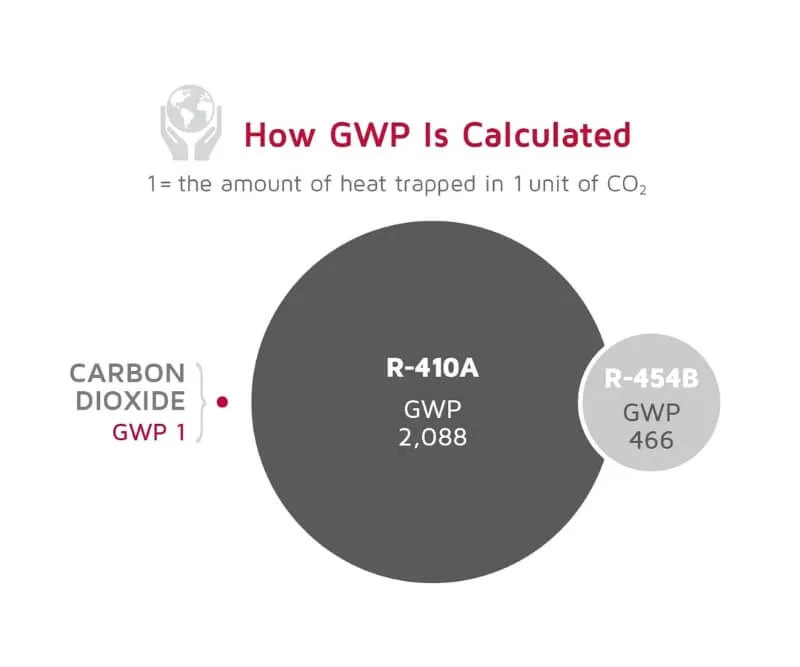
Photo Credit: Reddit
Solutions and Consumer Actions
The apprentice and several commenters stopped short of calling for abandoning air conditioning. Instead they urge a faster transition to safer refrigerants, stronger enforcement of handling rules, improved installation and service practices, and greater consumer awareness.
- Ask technicians whether they hold EPA 608 certification.
- Insist that refrigerant is recovered and not vented during service or replacement.
- Request a thorough leak check and evidence of repairs if leaks are found.
- Schedule regular preventative maintenance to reduce both emissions and costly failures.
Reduce Demand To Cut Emissions
Beyond refrigerant handling, lowering cooling demand helps reduce both energy use and the risk of refrigerant emissions. Recommended measures include improved insulation, sealing air leaks, planting shade trees, and setting thermostats a few degrees higher when safe to do so.
"The world's HVAC field, as I've come to know it, is full of lazy technicians who will vent refrigerant into the atmosphere day after day. It is part of the culture."
The apprentice concluded with a broader warning: as air conditioning becomes essential across more of the world, refrigerant leaks and weak enforcement could make cooling an increasingly significant contributor to climate change unless industry practices and regulations change.
Help us improve.