Wildtype, a San Francisco startup, has begun serving FDA-cleared cultivated coho salmon at four U.S. restaurants after a safety review that started in 2022 and a "no questions" letter in May 2025. The salmon is grown from fish cells in bioreactors and formed into sushi-grade cuts that aim to match the taste and omega-3 profile of conventional salmon. Production is limited and currently focused on fine dining while Wildtype scales and plans eventual retail expansion.
Lab-Grown Coho Salmon Debuts On U.S. Restaurant Menus — FDA-Cleared Wildtype Product Arrives In Fine Dining
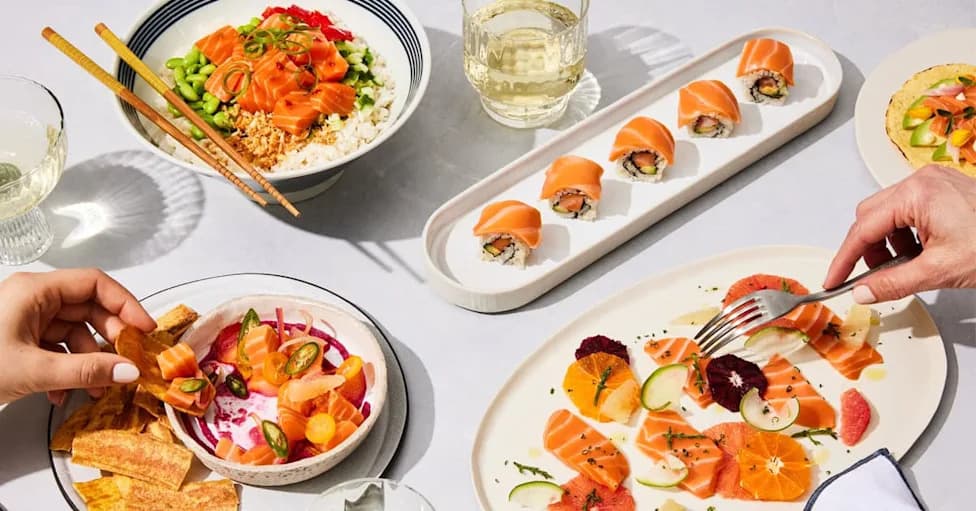
Wildtype’s cell-cultivated coho salmon makes its official US restaurant debut after receiving landmark FDA safety clearance. | ©Image Credit: Wildtype
What if the next piece of salmon on your plate never came from the ocean or a fish farm? That possibility is now reality for some American diners: San Francisco startup Wildtype is serving FDA-cleared, lab-grown coho salmon at select fine-dining restaurants, offering a first look at seafood cultivated directly from fish cells.
From Lab To Plate
Wildtype received a "no questions" letter from the U.S. Food and Drug Administration in May 2025 after an extensive safety review that began in 2022. The agency concluded that Wildtype's manufacturing process produces cultivated salmon that is as safe to eat as conventionally produced salmon, clearing the way for commercial sales in the United States.
Where It's Being Served
The company launched service of its cultivated coho salmon at Kann in Portland, Oregon, led by James Beard Award–winning chef Gregory Gourdet. Positive diner response helped Wildtype expand to three additional venues: barmini by José Andrés in Washington, D.C.; The Walrus and the Carpenter in Seattle; and Kingfisher Bar and Grill in Tucson, Arizona. For now the product is a specialty menu item rather than a grocery staple.
How It's Made
Unlike plant-based seafood alternatives, Wildtype's product is real salmon grown from fish cells. Cells are cultivated in carefully controlled bioreactors and then formed into sushi-grade cuts designed to replicate the flavor, texture, and nutritional profile of conventional salmon. Wildtype says the product provides comparable omega-3 fatty acids while avoiding risks associated with wild-caught fish, such as mercury, parasites, and pressure on wild stocks.
Scale, Cost, And Market Strategy
Production volumes are currently limited and manufacturing costs remain higher than those of traditional seafood. As a result, Wildtype's initial strategy focuses on food-service partnerships at high-end restaurants while the company scales production and pursues eventual retail distribution.
Context And Controversy
The commercial debut arrives amid a broader debate over cultivated meat and seafood in the U.S. Although the FDA has cleared multiple cultivated protein products, the regulatory landscape is fragmented: some states have proposed or enacted measures to restrict sales of cell-cultivated meat and seafood. Supporters tout potential environmental, safety, and supply-chain benefits; critics raise questions about labeling, cost, and long-term impacts.
Bottom line: Wildtype's restaurant rollout represents a notable milestone for the cultivated-protein industry, giving consumers a first taste of cell-grown seafood while highlighting the production, regulatory, and market challenges that remain.
Help us improve.