Germany's intense summer heat has pushed young swifts out of overheated roof nests, leaving many grounded and vulnerable while wildlife rescue centres struggle to cope. Videographer Theia (@birb.voyager) warns that nest overheating is causing premature fledging and urges immediate help for grounded birds. The post links the problem to urban design — heat-retaining surfaces and reduced vegetation — and offers practical solutions such as planting native flora, adding green infrastructure and preserving nest access.
Germany Heat Wave Forces Young Swifts From Overheated Roof Nests — Rescue Centres Overwhelmed
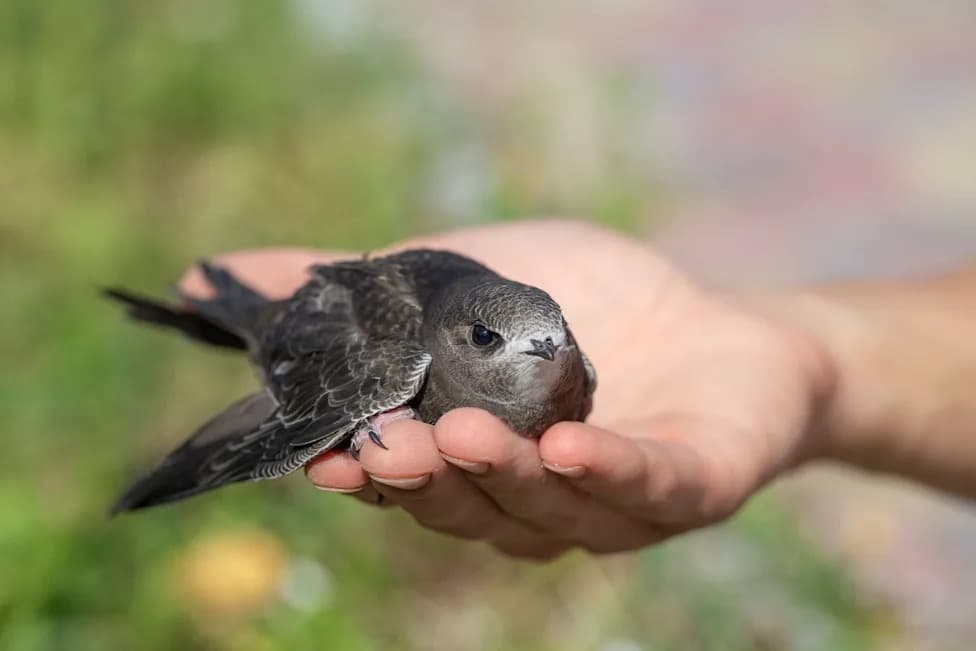
Photo Credit: iStock
Germany's punishing summer heat has already been linked to thousands of human deaths — and now the extreme temperatures are taking a heavy toll on wildlife. Videographer Theia (@birb.voyager) has drawn attention to a growing crisis for common swifts: chicks and resting adults are being forced out of overheated roof nests before they are ready, leaving many grounded, injured or exhausted.
What rescuers and observers are seeing
Theia warned that local rescue centres are "overwhelmed, and many have little or no capacity left," meaning grounded birds often face long waits for care. An Instagram Reel from the creator described these birds as "victims of the heat wave" and explained how soaring temperatures are disrupting normal swift behaviour.
"Swifts spend almost their entire lives in the air. Because of the extreme heat, many are jumping from their overheated roof nests far too early," Theia wrote — adding the urgent reminder: "A sitting swift is ALWAYS an emergency."
Why urban heat makes this worse
Built environments intensify heat: pavements, gravel and roofs retain warmth, vegetation is often reduced, and hard surfaces decrease rainwater absorption and shade. For species that rely on roof cavities and shaded infrastructure for resting and nesting, overheated nest sites become life-threatening for chicks and adults alike.
Practical steps households and communities can take
Theia's post paired the warning with practical, nature-friendly measures that both cool urban spaces and improve habitat for birds and insect prey:
- Replace gravel or paved gardens with living plants and native wildflowers to increase shade and insect abundance.
- Remove unnecessary paved areas and leave some grass uncut to support pollinators and other insects.
- Plant native trees and shrubs, and create green corridors, parks, green roofs and green walls to lower local temperatures.
- Provide fresh, bird-safe water during heat waves — placed in shallow dishes and refreshed regularly.
- Protect existing nest sites on older buildings and install purpose-built nest boxes for swifts and swallows where appropriate.
- Mount nest boxes on north-facing walls to reduce overheating and avoid placing them directly beneath hot roof eaves.
If you find a grounded swift
Grounded swifts are vulnerable and need prompt attention. If you find a sitting swift, contact your nearest wildlife rescue or bird rehabilitation centre immediately. While waiting for professional advice, you can gently place the bird in a ventilated cardboard box in the shade and keep noise and handling to a minimum — do not try to force-feed or force-water the bird. Theia and rescue groups emphasise rapid response, since swifts are adapted for life on wing and do poorly when grounded for long periods.
Simple changes to how we design and manage urban spaces — more shade, more plants and better-preserved nest access — can reduce the risk of overheating and give swifts and other urban wildlife a fighting chance during extreme heat events.
Help us improve.