Texas DPS authorized a $4,487,500 procurement to outfit four 2026 Chevrolet Tahoes with Cognyte's FalcoNet surveillance systems, portable backpacks, antennas, and licenses. The Tahoes are priced at $600,000 total, while FalcoNet core systems account for $2.85M; additional items including Delta 5G licenses and backpack units bring the total to $4.49M. The systems can identify, capture, and locate devices across 2G–5G networks and include vehicle-mounted and portable deployment options, prompting privacy and oversight concerns despite contractual limits on authorized use.
Texas DPS Spent $4.49M to Turn Four 2026 Chevy Tahoes Into Mobile Surveillance Units
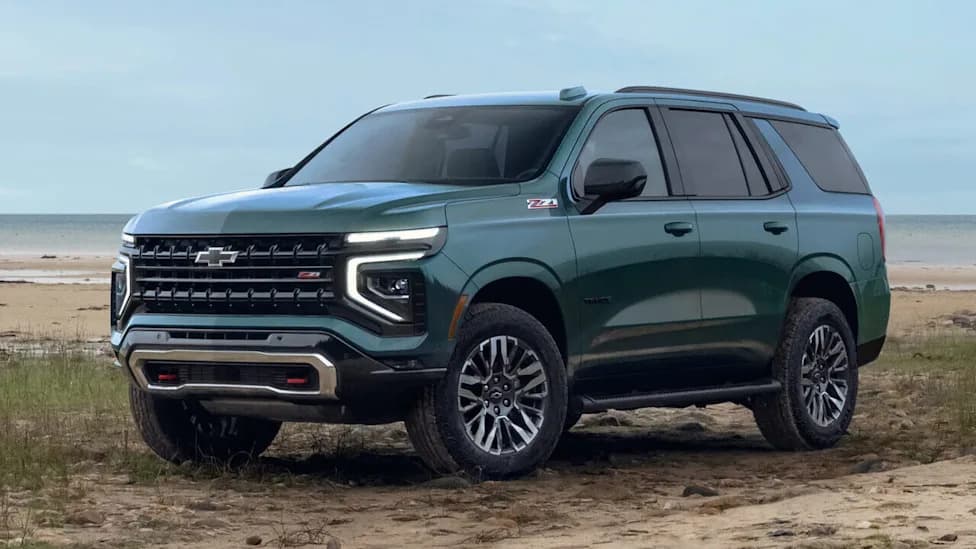
Image Credit: General Motors.
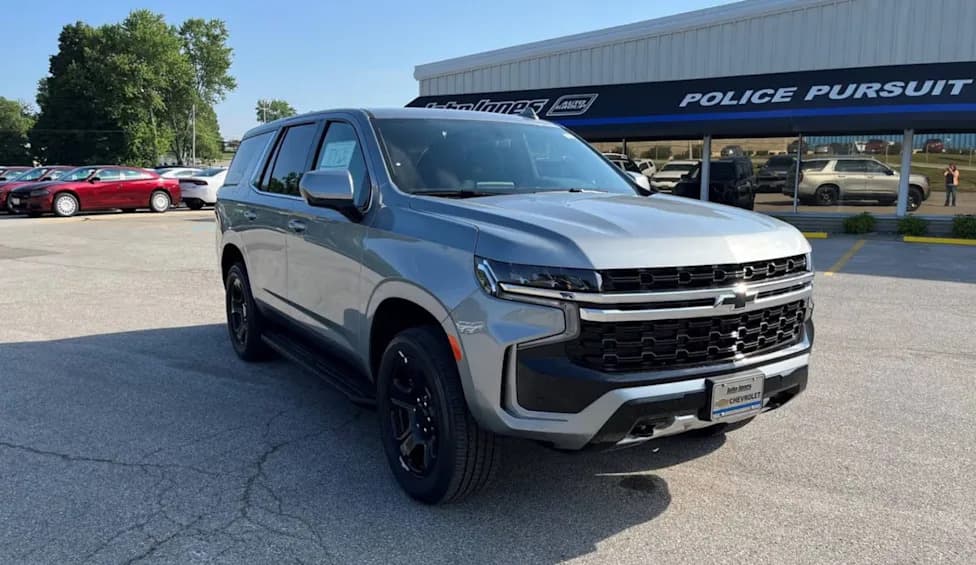
The Texas Department of Public Safety has contracted Cognyte to outfit four 2026 Chevrolet Tahoes with an integrated suite of FalcoNet surveillance systems, portable backpack units, antennas, licenses, and related hardware — a package totaling $4,487,500. While the vehicles themselves account for $600,000 of the quote, the majority of the cost pays for specialized electronics, perpetual software licenses, integration, and portable deployment gear.
What the Contract Covers
The procurement documents and Cognyte's January 21 quote break the package down as follows:
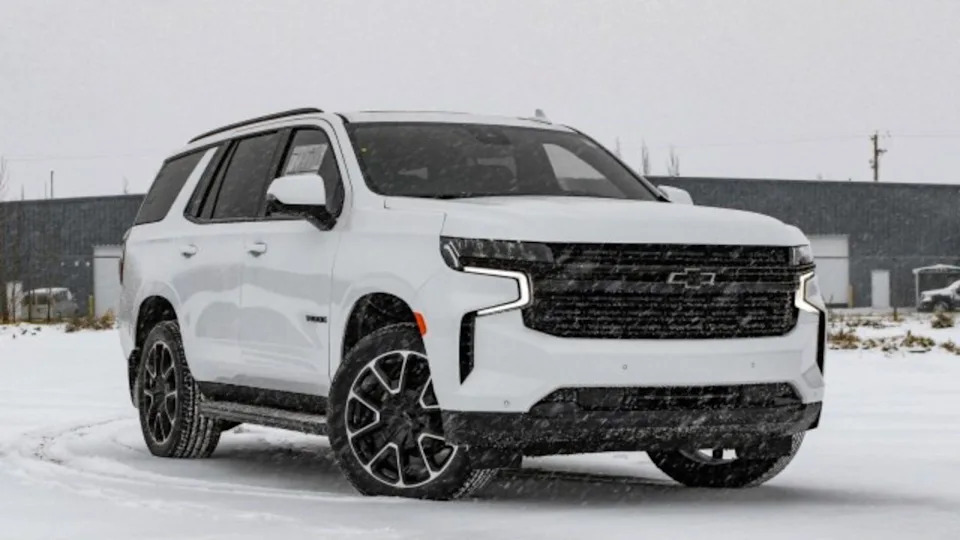
Image Credit: Chevrolet.
- Total Contract: $4,487,500
- Four 2026 Chevrolet Tahoes: $600,000 combined ($150,000 each) — includes turnkey retrofit and system integration
- FalcoNet Core Systems: $2,850,000 for four primary cores
- Unlicensed Core System: $200,000
- Delta 5G Licenses: $280,000 (four perpetual licenses)
- Portable Units and Accessories: FalcoNet Backpack Core V2 ($355,500), additional unlicensed backpack ($70,000), flexible antenna kit ($27,000), Cognyte Compact PA Ranger ($105,000), plus racks, amplifiers, cabling, mounting hardware, and transport cases
Capabilities and Deployment
According to the vendor quote, each primary FalcoNet core includes 13 software-defined radio (SDR) base stations that support 2G, 3G, 4G and 5G networks, along with features described as Heat Map, Silent Call, MuCom with Enhancer, and a PathFinder direction-finding module. The separate Delta 5G licenses are listed as enabling identification, capture, and location of devices on native standalone 5G networks.
Portability is emphasized: the package contains vehicle deployment kits (racks, roof antennas, amplifiers, cabling) and backpack-mounted cores and antennas that allow similar capabilities to be temporarily deployed away from the SUVs.
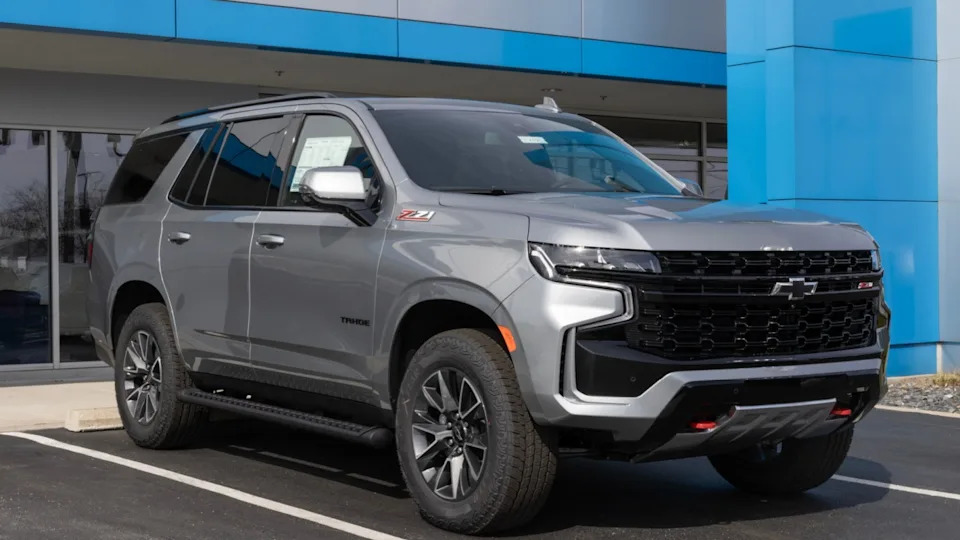
Image Credit: Jonathan Weiss at Shutterstock.
Why the Cost Is So High
At first glance, $4.49 million for four SUVs looks striking. However, most of the cost covers advanced surveillance electronics, perpetual licensing, integration and testing, portable systems, training, and support — not the retail price of the vehicles themselves. Cognyte's quote also notes volume discounts applied to the order.
Privacy, Oversight, and Legal Limits
Systems that can identify and locate cellular devices raise well-known civil liberties concerns. Cognyte's proposal states the systems are to be used only to neutralize, investigate, or prevent terrorism and crime in accordance with applicable law. The procurement documents include contractual provisions referencing compliance with legal, privacy, and human-rights standards.
Those contractual safeguards set stated boundaries, but they do not eliminate broader questions about authorization, oversight, transparency, retention policies, and how often and under what circumstances the tools will be used. Public scrutiny and clear procedural safeguards are likely to shape how such capabilities are deployed in practice.
What Drivers and the Public Should Know
From the outside, the Tahoes will likely look like ordinary patrol SUVs. Internally, however, they will serve as mobile platforms for powerful interception and direction-finding gear with reach across multiple cellular generations. The procurement highlights how modern police fleets are evolving into mobile technology hubs — a trend that intensifies the need for clear rules and independent oversight.
Bottom line: The $4.49M package transforms four familiar police SUVs into sophisticated, portable cellular-surveillance platforms. The purchase underscores capabilities and costs, and it raises important questions about privacy and governance that merit public attention.
Help us improve.