Overview: Flock’s automated license-plate readers are drawing bipartisan scrutiny amid privacy concerns and allegations of police misuse. Several jurisdictions—including Lago Vista, Denver and Austin—have ended or restricted contracts after investigations and public backlash. Flock says it will require misuse-detection tools and, in some places, shorten default data retention from 30 days to one week. The dispute highlights broader tensions over surveillance, public safety and accountability.
Why Flock’s License-Plate Cameras Are Facing a Nationwide Backlash

Illustration: Brendan Lynch/Axios
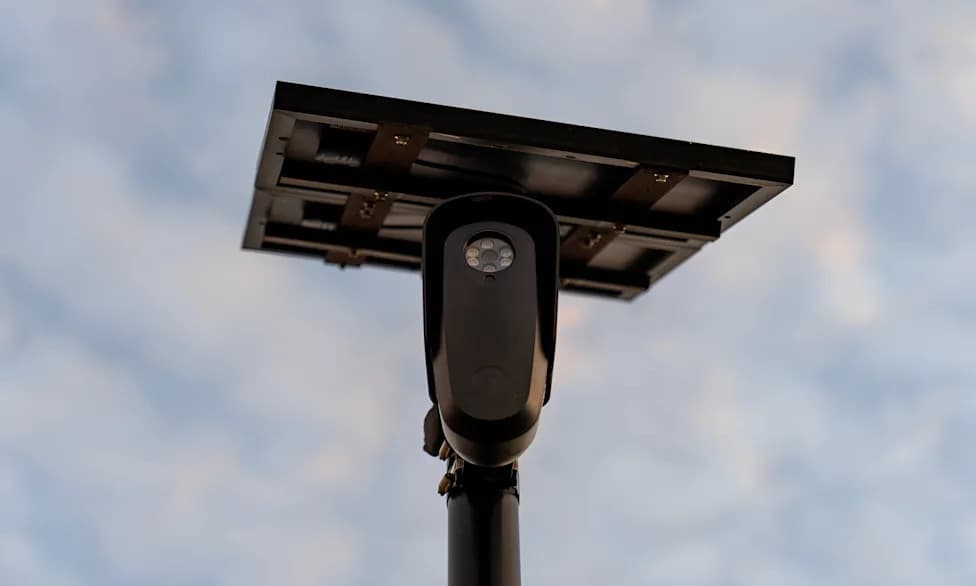
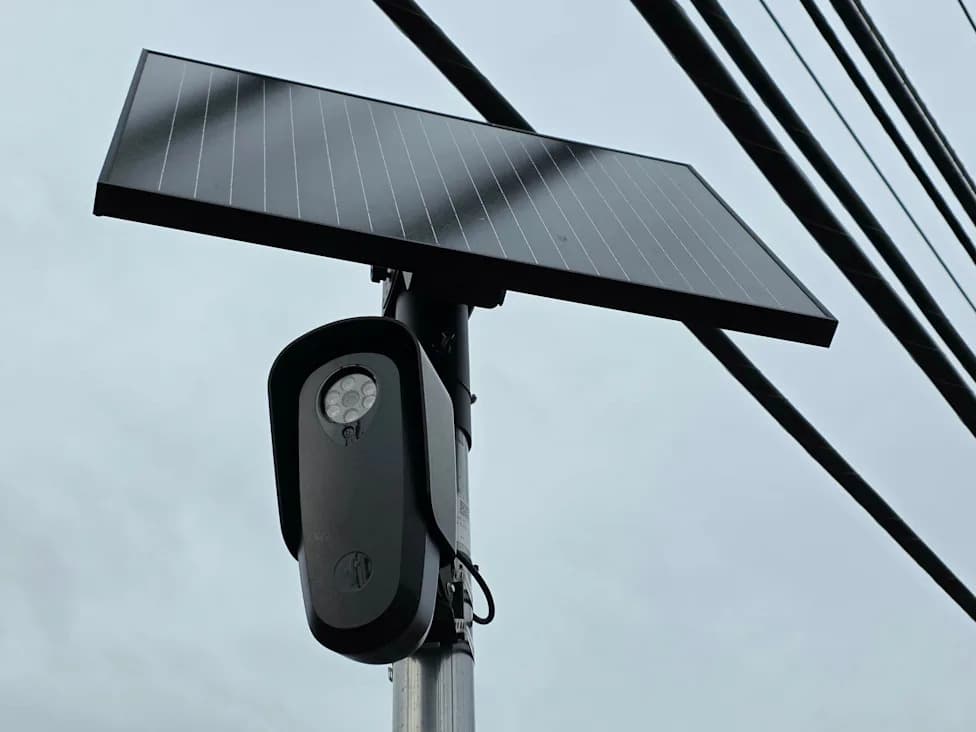
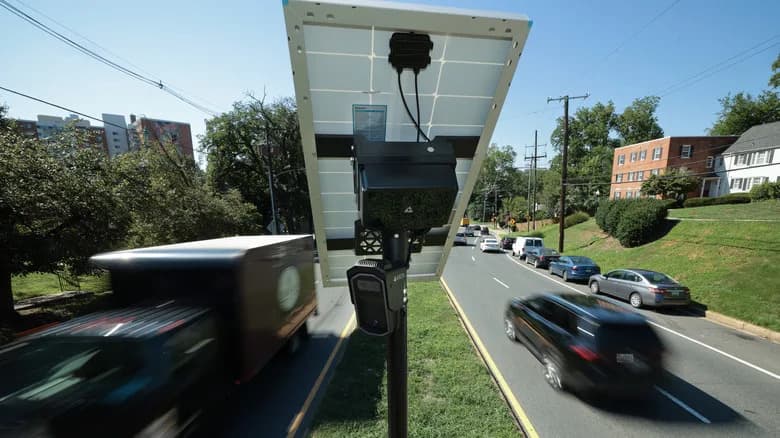
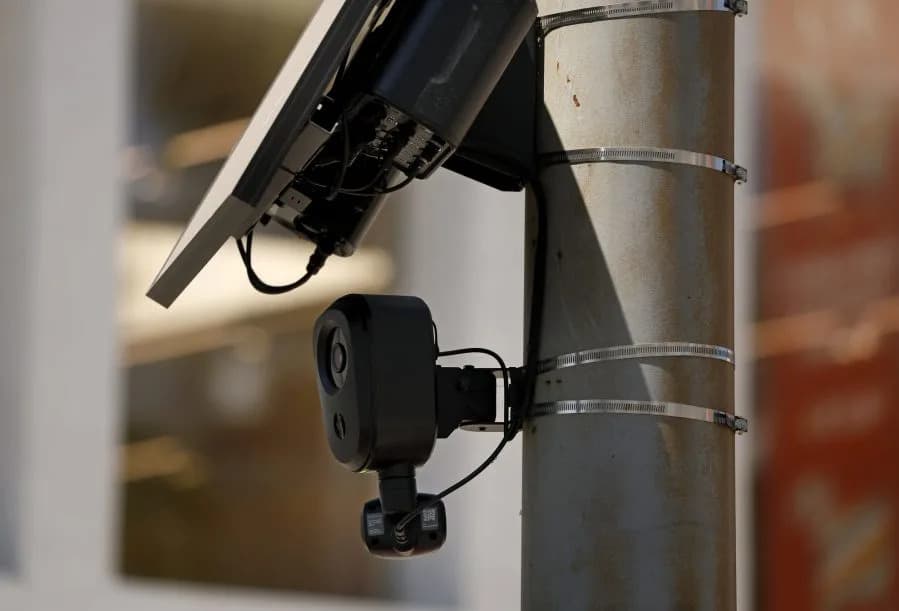
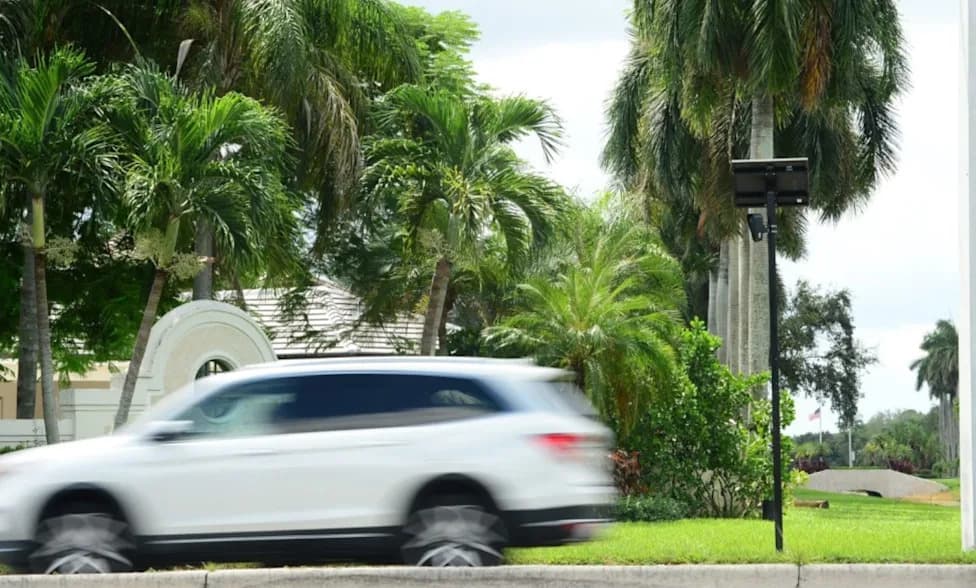
Automated license-plate reader cameras sold by Flock and similar companies have become a flashpoint in a growing national debate over surveillance, privacy and law-enforcement accountability. The technology—deployed on streets and highways to capture license plates, vehicle makes and other identifying details—has supporters who point to public-safety benefits and critics who call it pervasive, ongoing surveillance.
Why It Matters
Flock’s network, which the company says includes more than 120,000 cameras nationwide, has attracted bipartisan concern. Privacy advocates, civil-liberties groups and some elected officials worry the systems enable routine tracking of everyday movements and can be abused by officers with access to the data.
The Big Picture
Supporters say automated license-plate readers help police quickly locate suspects and recover stolen vehicles. Flock tells Axios the network aided roughly 1 million police investigations last year and helped find about 10,000 missing people. Opponents argue those benefits do not outweigh the risks to civil liberties and trust in public institutions.
Cases and Investigations
Recent reporting has intensified scrutiny. Multiple police officers are under investigation for allegedly misusing plate-reader data for personal reasons. In at least one Reynoldsburg, Ohio, case, an internal review found an officer used the system more than 40 times to track a former domestic partner; two officers resigned amid that probe. In Arizona, three municipalities said they are reviewing officers’ access to the cameras, including an allegation that an officer used the technology to locate his spouse.
Local Pushback and Contract Changes
Heightened mistrust has prompted several communities to end or rethink contracts with Flock. Lago Vista, a community near Austin that voted heavily for Donald Trump in 2024, voted unanimously to terminate its Flock contract. Denver ended its relationship with Flock in February following backlash and is now contracting with Axon for automatic license-plate readers under stricter rules on data retention and federal sharing. Austin also ended its contract with Flock in June 2025 despite local officials acknowledging the technology’s potential value in some investigations.
Flock’s Response
Flock announced a set of changes aimed at bolstering privacy, security and accountability. The company said it will make misuse-detection tools mandatory for all customers and, in some jurisdictions, reduce default data retention from 30 days to one week. Flock framed the changes as the result of a year of outreach to customers, communities and civil-liberties groups.
Opposition Reaction: DeFlock, a national advocacy group that tracks and opposes Flock cameras, dismissed the company’s changes on social media—arguing they offer no lasting guardrails and calling the technology a 4th Amendment violation. DeFlock reports 23 government decisions to end or reject Flock contracts or to deactivate cameras since July.
What to Watch
Key developments to follow include whether more cities cut ties, how states and municipalities regulate use and retention of plate-reader data, and whether Flock’s new safeguards meaningfully reduce misuse. The debate raises broader questions about how emerging surveillance technologies should be governed and overseen in democratic societies.
Reporting details are based on local news accounts and statements from the involved parties.
Help us improve.