NPR briefly published a prewritten story falsely reporting that Supreme Court Justice Samuel Alito had retired. Veteran reporter Nina Totenberg immediately admitted the error and apologized, and NPR removed the article within minutes, replacing it with an explicit editor’s note and correcting the radio broadcast soon after. The rapid, visible correction limited the story’s spread and shifted coverage toward the retraction, offering a model for how newsrooms should handle major mistakes.
NPR’s Fast Retraction After the Alito Retirement False Alarm Shows Key Lessons for Newsrooms
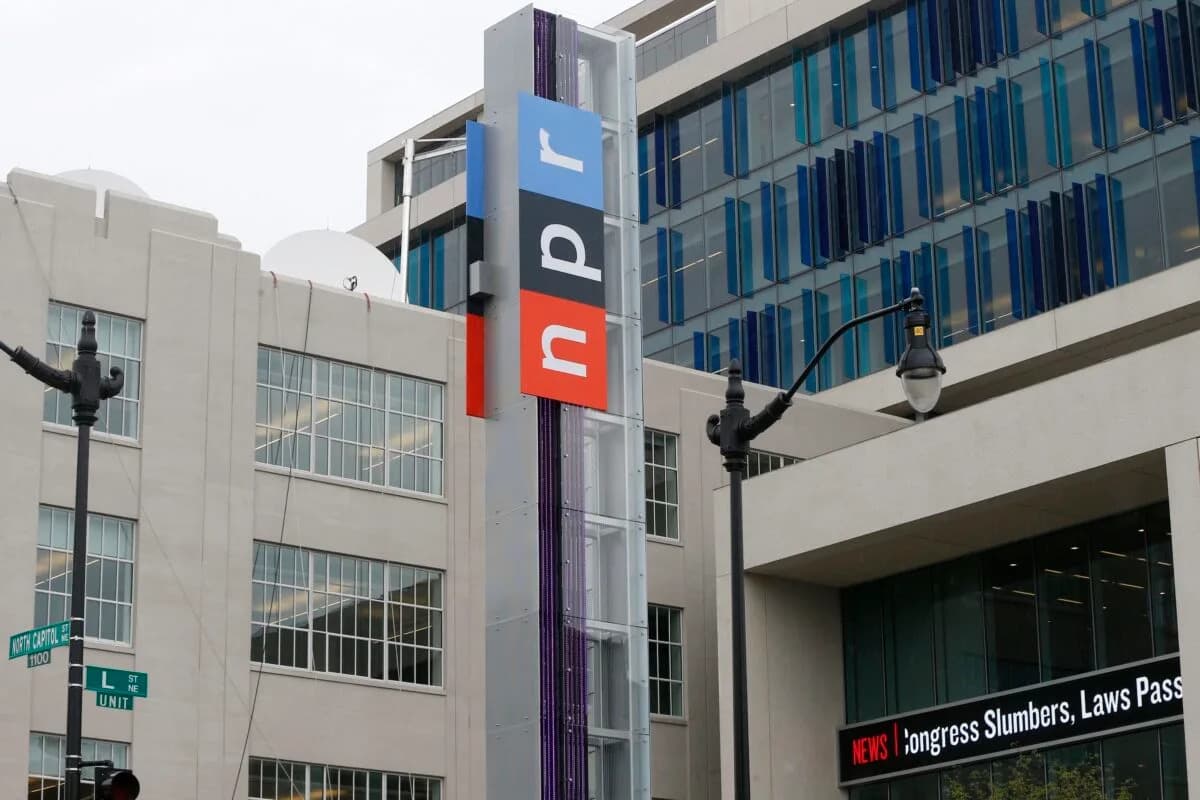
NPR HQ
National Public Radio came under intense scrutiny after publishing — and quickly retracting — a story that falsely reported Supreme Court Justice Samuel Alito had retired. The error, written by veteran correspondent Nina Totenberg and published briefly on NPR’s site, was removed within minutes and replaced with a clear editor’s note. While the mistake drew widespread criticism, NPR’s rapid, transparent response offers a useful model for how news organizations can handle serious reporting errors.
What Happened
Totenberg’s piece, archived on the Wayback Machine, was a prewritten obituary-style story headlined, “Justice Samuel Alito, who wrote the opinion overturning Roe v. Wade, retires.” Prewritten stories for high-profile figures are standard in many newsrooms, intended to be finalized and published if a public figure dies or steps down.
According to NPR public editor Kelly McBride, Totenberg called NPR executive editor Krishnadev Calamur to report Alito’s retirement and Calamur published the prewritten story. The article appeared on NPR’s website, was shared on social platforms and member-station sites, and was read on the radio broadcast. Minutes later, Totenberg called back and said, “I made a mistake.” The story was taken down and replaced with an editor’s note saying it had been “published in error.”
Timeline
NPR reported the story went live at 10:51 a.m. ET and was replaced with an editor’s note by 10:57 a.m.; the broadcast correction aired at about 11:07 a.m. ET. Some member stations’ pages displayed the article for longer.
Accountability and Criticism
Totenberg, 82, who has covered the Supreme Court for NPR since 1975, apologized directly to Alito and described the incident as “the worst professional mistake” of her career. She accepted responsibility without shifting blame. NPR’s executive editor acknowledged the lapse and said he would review newsroom procedures for verifying and publishing breaking news.
Media critics probed how the error occurred. Commentators from The Atlantic, Vanity Fair, Poynter, and CNN’s Brian Stelter questioned why secondhand information was accepted and why the prewritten piece went live without further verification. Those unanswered questions highlight the need for clearer safeguards around prewritten material and publication protocols.
What NPR Got Right
Immediate Ownership: Totenberg publicly admitted the mistake and apologized.
Rapid Correction: NPR removed the story within minutes and posted an explicit editor’s note rather than quietly editing the article.
Visible Transparency: Incorrect social posts were deleted, the retraction was documented on NPR’s Corrections page, and the correction received substantial attention — limiting further spread of the false claim.
Why This Matters
Errors are inevitable in any human endeavor, including journalism. The critical tests are transparency, speed, and corrective action. In this incident, the swift retraction helped ensure most other outlets covered the correction rather than amplifying the original error. That outcome reduced the false report’s reach and serves as a reminder that visible, prompt corrections can blunt the damage caused by high-profile mistakes.
Remaining Questions and Next Steps
Valid questions remain about the specific source of the mistaken information and why it was accepted without additional confirmation. NPR’s leadership has said they will review procedures. Newsrooms should consider clearer rules for publishing prewritten content, stronger verification for breaking developments, and protocols that prioritize correction visibility over traffic incentives.
Ultimately, this episode underscores both the risks of prewritten stories and the importance of accountable, transparent corrections. NPR’s response — immediate ownership, quick retraction, and visible correction — offers practical lessons for other news organizations navigating the competing pressures of speed and accuracy.
Help us improve.