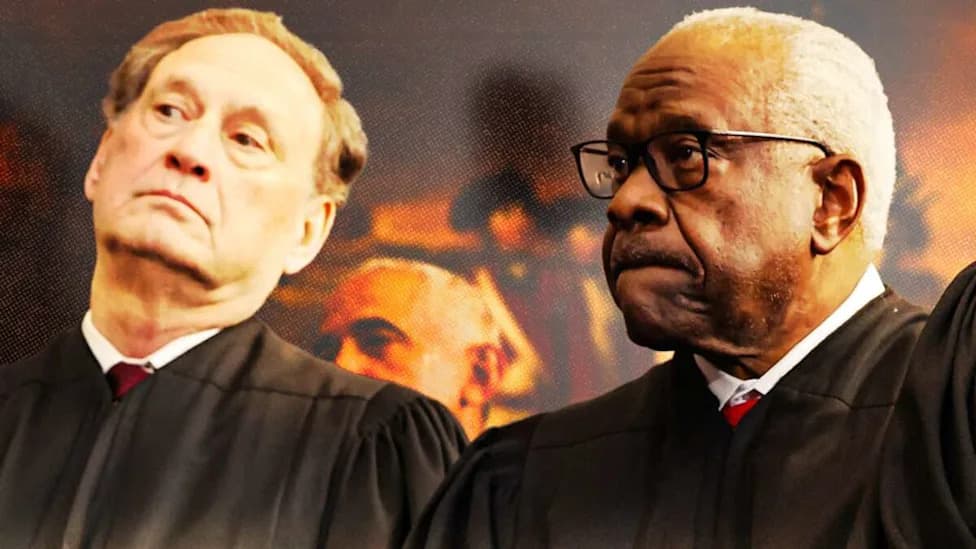
Chief Justice John Roberts authored the majority opinion overturning the 1935 Humphrey’s Executor decision, removing many statutory for‑cause protections for leaders of independent agencies and expanding presidential control. The Court preserved a narrow exception for the Federal Reserve. Justice Sonia Sotomayor issued a strong dissent, warning the decision concentrates power in the presidency and risks politicizing expert regulators. The ruling stems from a long campaign by Roberts and a conservative 6‑3 majority and directly affects the FTC dispute involving commissioner Rebecca Slaughter.
Roberts Overrules Humphrey’s Executor, Shifting Power Over Independent Agencies to the President
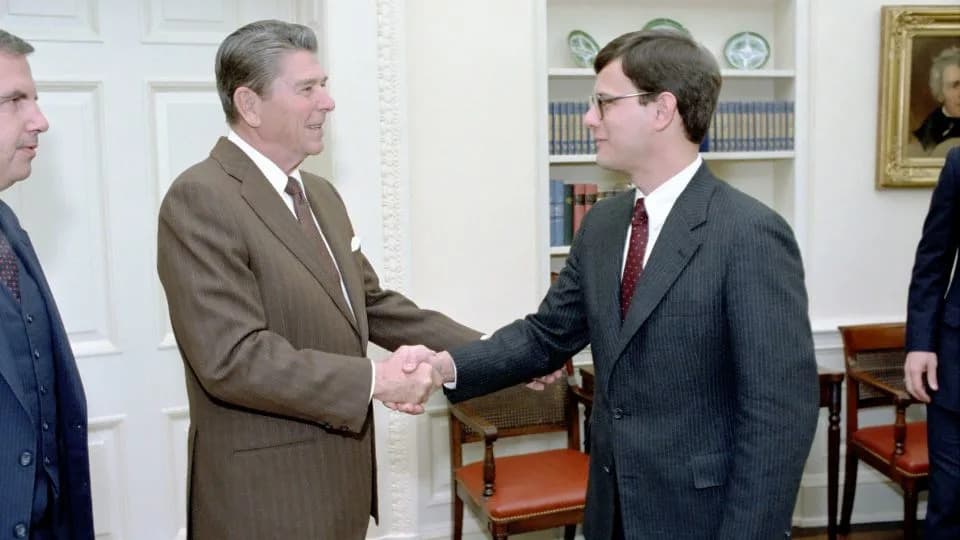
In this January 1983 photo, President Ronald Reagan greets John Roberts during a photo opportunity with members of the White House Counsel's Office in the Oval Office in Washington, DC. - US National Archives and Records Administration
Chief Justice John Roberts wrote the Supreme Court’s majority opinion overturning the 1935 decision in Humphrey’s Executor v. United States, a ruling that had long allowed Congress to protect independent agency leaders from removal except for specified causes. The decision marks a major recalibration of executive power and removes statutory for-cause protections for many agency heads while carving out a narrow exception for the Federal Reserve.
Background and Legal Framework
Roberts’s effort to revive a broader presidential removal authority stretches back more than four decades to his time as a young Reagan administration lawyer. Citing constitutional history and the 1926 Myers v. United States decision, Roberts argued that the Constitution vests the executive power in a single President who must be able to oversee and remove subordinates to ensure accountability. In his 36-page opinion, he wrote that Humphrey’s conflicted with the Constitution’s structure and that “if anything more is left of Humphrey’s, we overrule it.”
What the Ruling Does
The Court’s ruling eliminates many statutory constraints that had required commissioners of certain independent agencies to remain in office except for cause such as inefficiency, neglect, or malfeasance. The decision directly affects agencies like the Federal Trade Commission, which had functioned with commissioners serving fixed terms and limited removal protections intended to insulate regulators from political pressure.
The Case and Immediate Stakes
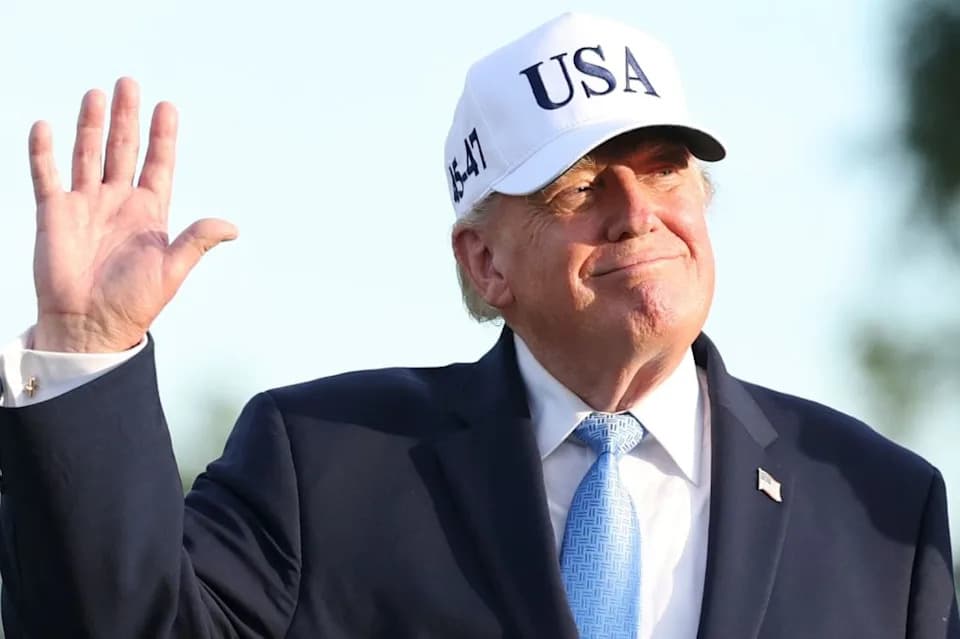
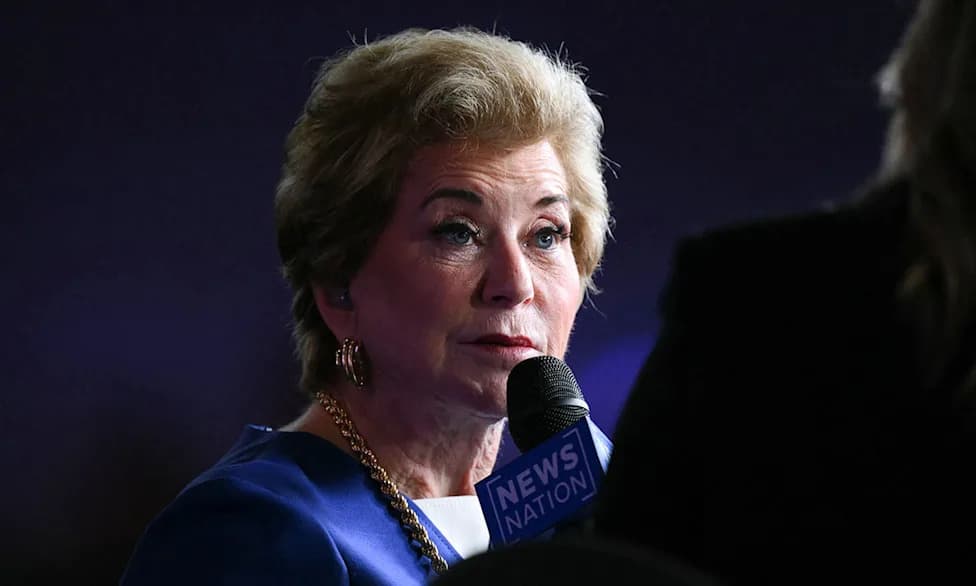
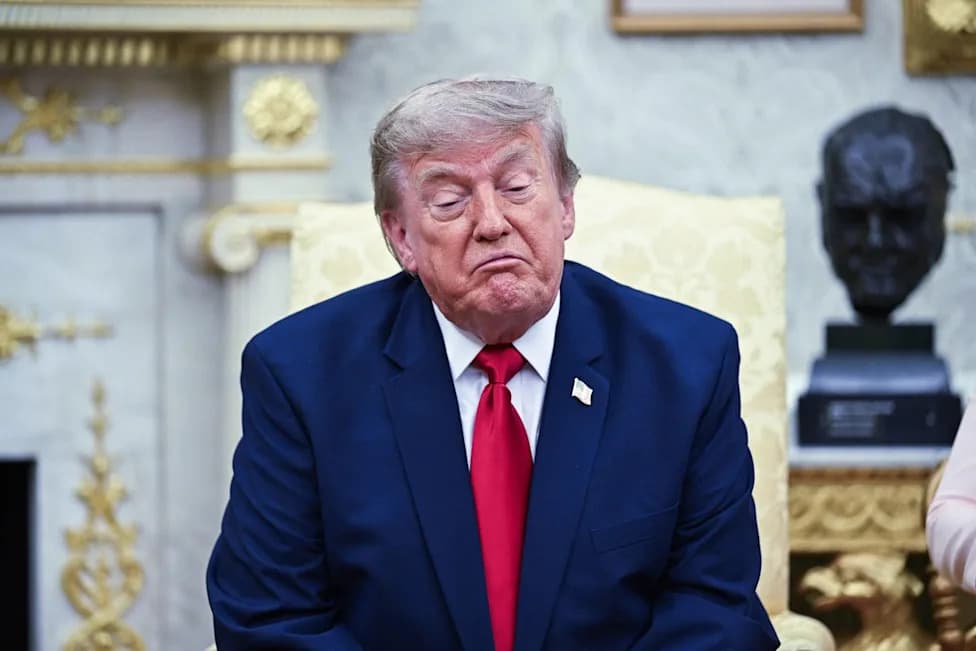
The specific dispute arose after President Trump, in his second term, sought to remove Democratic-appointed commissioners, including Rebecca Slaughter of the FTC, who was midterm in a seven-year appointment. Slaughter and lower courts relied on the Humphrey’s precedent to defend her tenure; the administration appealed and urged full reversal, invoking language from Roberts’s earlier opinions that narrowed removal protections in prior cases.
Dissent and Concerns
Justice Sonia Sotomayor filed a strong dissent for the Court’s liberal wing, warning that the ruling hands the President unprecedented power over agencies Congress designed to be expert-driven and politically insulated. Sotomayor argued the decision creates instability and risks politicizing functions that protect consumers, workplace safety, environmental and public-health safeguards. She wrote that the Court’s approach “elevat[es] [the President] above his once-coequal branches.”
“The President emerges with more power than ever before,” Sotomayor warned.
Limited Exception for the Fed
The Court preserved independence for the Federal Reserve in a related decision, reasoning that the long American tradition of an independent central bank justified an exception. That carve‑out drew immediate criticism from some advocates who called it preferential treatment for financial institutions.
What This Means Going Forward
The ruling reflects the influence of Roberts’s long-term judicial strategy and the Court’s conservative supermajority. It is likely to increase presidential control over many regulatory officials and reshape how agencies are structured and staffed. Legal challenges and congressional responses are likely as stakeholders assess the ruling’s practical impact on administrative autonomy and regulatory stability.
Key actors: Chief Justice John Roberts (opinion), Justice Sonia Sotomayor (dissent), Rebecca Slaughter (FTC commissioner), the Trump administration (petitioner), Humphrey’s Executor (1935) and Myers v. United States (1926) (precedents).
Help us improve.