The Florida Fish and Wildlife Conservation Commission rescued a roughly two-month-old panther cub, K528, after her mother stopped returning to the den. Underweight at less than 3 pounds and carrying a heavy parasite load, the kitten was taken in March to the Naples Zoo for treatment and rehabilitation. Officials say the radio-collaring program was key to locating the den and enabling the rescue. Florida panthers remain endangered, with an estimated 120–230 adults, and face threats from habitat loss and vehicle collisions.
Abandoned Florida Panther Cub K528 Rescued and Treated for Heavy Parasite Load
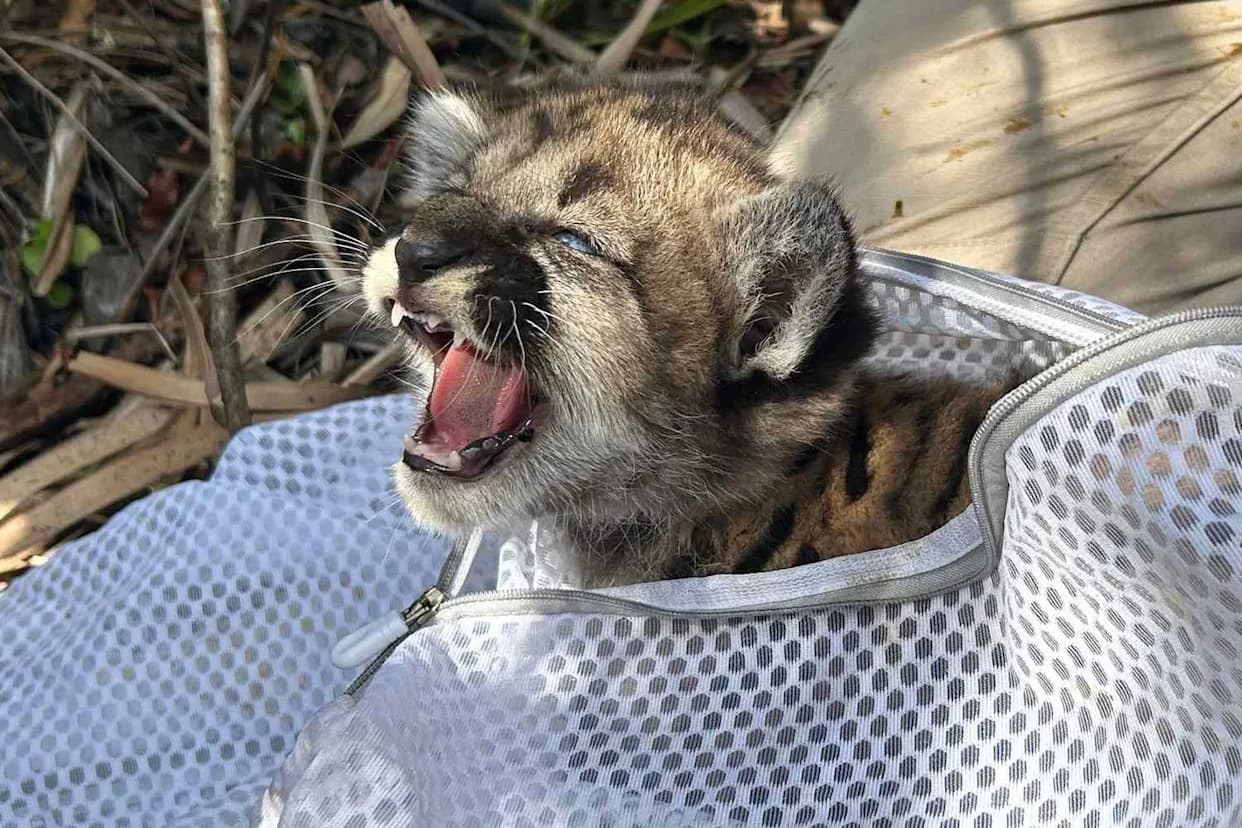
A female panther cub named K528 during their rescue by Florida Fish and Wildlife officials.Credit: FWC Fish and Wildlife Research Institute/Facebook
Florida wildlife officials rescued a roughly two-month-old female Florida panther cub after researchers discovered she had been abandoned and was severely underweight and infested with parasites. Identified as K528, the kitten was taken to the Naples Zoo at Caribbean Gardens in March for veterinary care and ongoing treatment.
How the Rescue Unfolded
Biologists from the Florida Fish and Wildlife Conservation Commission (FWC) and the Fish and Wildlife Research Institute located the den by tracking a radio-collared adult female. GPS data confirmed the female was denning — a behavior in which mothers shelter and tend their kittens, often in palmetto thickets. Field teams initially observed the mother returning to care for a single kitten, but after several weeks the adult stopped visiting the den.
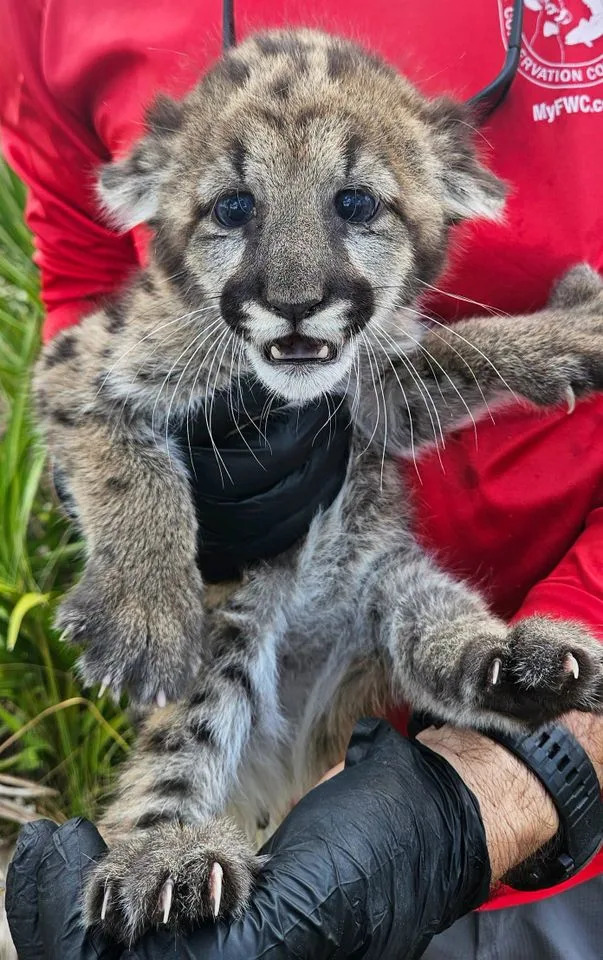
K528 was taken from her den and transported to the Naples Zoo for medical care.Credit: FWC Fish and Wildlife Research Institute/Facebook
After two weeks without the mother’s return, biologists found the cub underweight — she weighed less than 3 pounds — and diagnosed a heavy parasite burden. Concerned for the kitten’s chances of survival, the FWC intervened and removed the cub for treatment.
Treatment and Next Steps
K528 is receiving medical care at the Naples Zoo, including treatment for parasites and supportive care to restore her weight and health. The FWC credited its radio-collaring program for enabling the timely rescue. Tracking collared panthers provides critical data on reproduction, survival and population health, and it can reveal situations where human intervention is necessary to help vulnerable kittens survive.
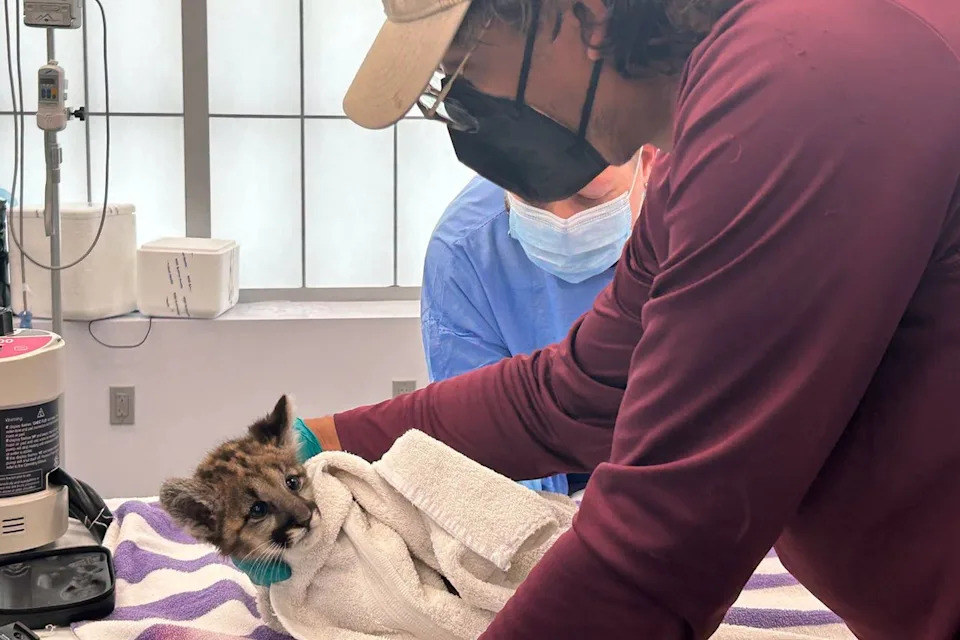
K528 being treated by veterinary staffCredit: FWC Fish and Wildlife Research Institute/Facebook
Conservation Context
Florida panthers are listed as endangered under the Endangered Species Act. Current estimates put the adult population in Florida at roughly 120–230 animals. The species faces growing threats from habitat loss as the state develops and from vehicle collisions along busy roadways. Federal and state agencies have promoted measures such as conservation corridors to expand panther range and reduce road mortality.
How the Public Can Help
The FWC encourages residents who want to support recovery efforts to consider purchasing a “Protect the Panther” specialty license plate. Anyone who encounters a sick, injured or deceased panther should contact the FWC’s 24-hour Wildlife Alert Hotline at 888-404-FWCC (3922) so panther biologists can respond promptly.
Note: K528’s prognosis will depend on her response to treatment and rehabilitation. Officials say early detection thanks to their monitoring program gave her the best chance for survival.
Help us improve.