Jellyfish blooms—massive, rapid increases in jellyfish numbers—are reported more frequently from the Mediterranean to the Yellow Sea. Many bloom-forming species alternate between pelagic medusae and benthic polyps; artificial coastal structures provide ideal hard surfaces for larvae to settle and generate dense polyp populations. Ocean sprawl (wind farms, platforms, docks and seawalls) likely amplifies blooms, which have shut power plants and devastated fish farms. Experts recommend habitat-sensitive coastal design, improved fisheries management and monitoring, while some propose limited harvesting for collagen and food.
How Artificial Coastal Structures Are Fueling Jellyfish Nurseries
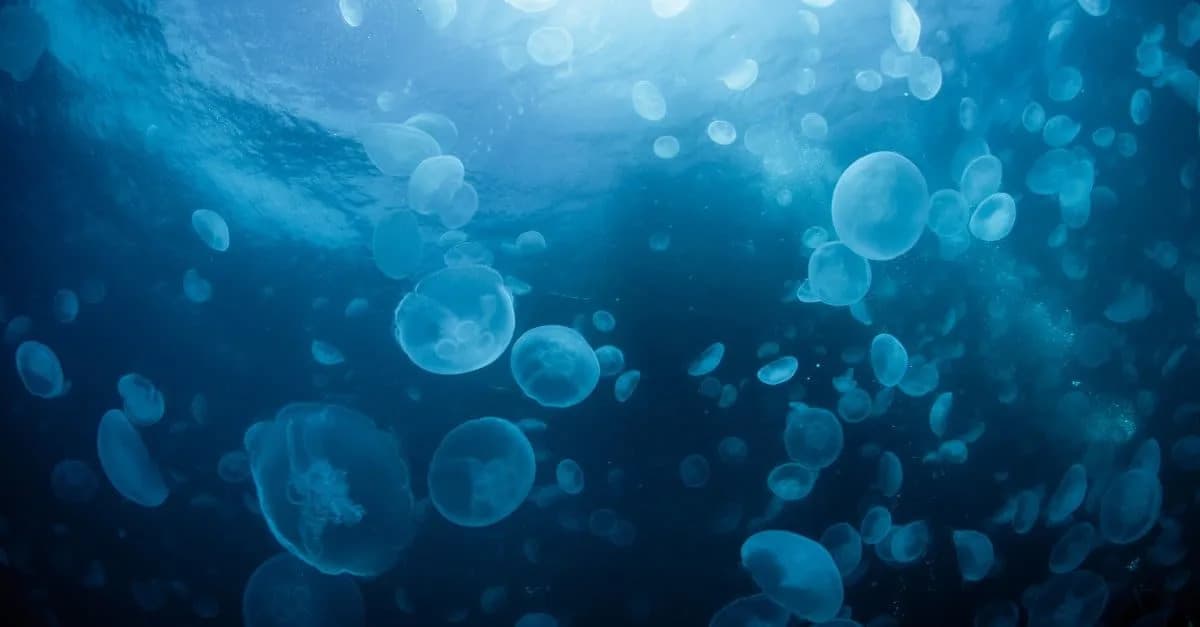
What Do Jellyfish Eat and How Do They Eat It - swarm© iStock.com/inusuke
Imagine billions of tiny jellyfish carpeting a stretch of sea 10 miles wide, so dense that even boats struggle to move through the gelatinous mass. These dramatic events—known as jellyfish blooms—appear to be increasing in frequency and intensity in many regions, and scientists are investigating whether human-built coastal structures are helping to create nurseries for these stinging swarms.
What Is a Jellyfish Bloom?
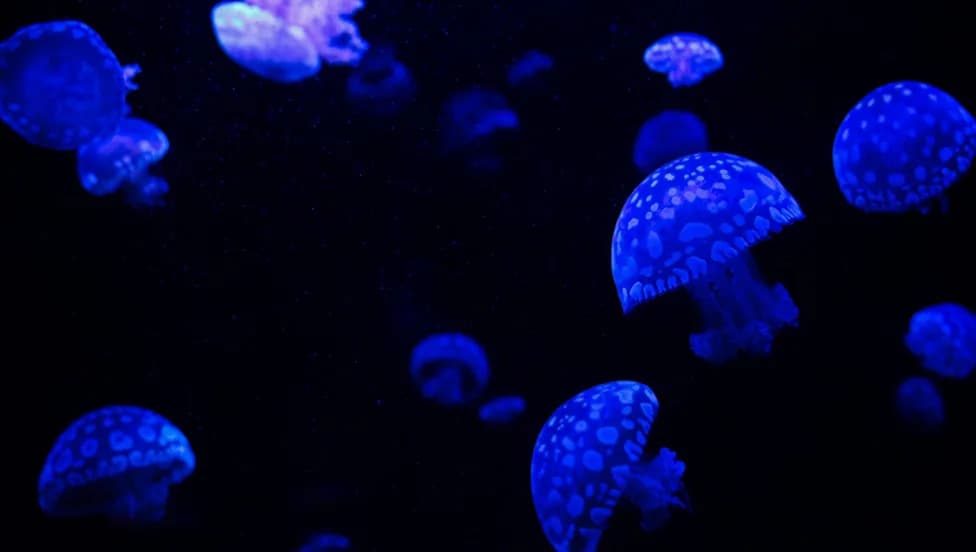
A jellyfish bloom is a rapid, substantial rise in jellyfish numbers over a short period. Many bloom-forming species belong to the cnidarian class Scyphozoa and have complex life cycles that include a sexually reproducing, pelagic medusa stage and an asexually reproducing, benthic polyp stage. After fertilization, females release larvae that drift in the water column before settling onto hard surfaces and transforming into sessile polyps. Under favorable conditions, large numbers of polyps can produce medusae and trigger massive blooms.
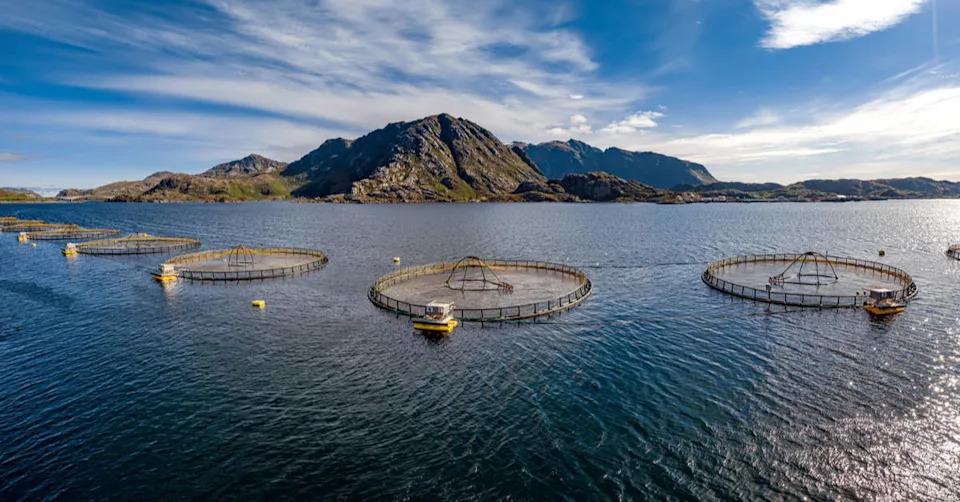
Salmon farms can be decimated by jellyfish blooms.©Andrey Armyagov/Shutterstock.com
How Artificial Structures Create Nurseries
Human activity has dramatically increased the amount of hard substrate in coastal waters—a phenomenon scientists call ocean sprawl. Wind turbines, oil and gas platforms, docks, piers, seawalls, marinas, crab tiles and other artificial surfaces provide abundant places for jellyfish larvae to settle and form dense colonies of polyps. Replacing soft, sedimentary seabeds with hard structures changes local ecological communities and often favors species that can exploit those rigid surfaces, including jellyfish polyps.
Real-World Impacts
Large blooms have been reported in the Mediterranean, Black Sea, Gulf of Mexico, Yellow Sea and Japan Sea. These events can have serious economic and ecological consequences: jellyfish have clogged intake pipes and forced temporary shutdowns at power plants in Scotland, Israel and Florida. In 2007, a “plague” of mauve stingers devastated Northern Ireland’s only salmon farm, killing over 100,000 fish, and similar incidents have struck farming operations in Turkey. In Japanese waters, huge Nomura’s jellyfish—often described as refrigerator-sized—can tangle nets and occasionally capsize small trawlers.
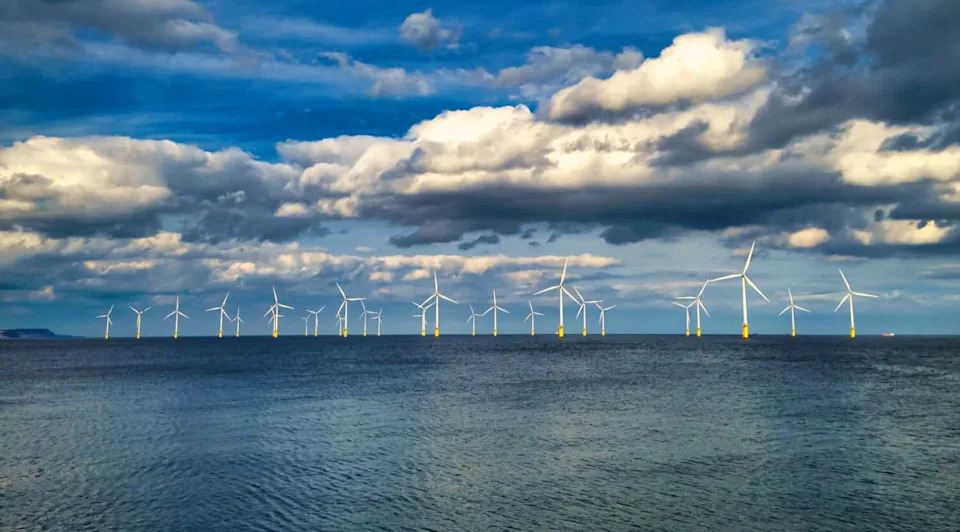
Wind turbines create artificial habitats.©Nuttawut Uttamaharad/Shutterstock.com
Why Humans May Be Responsible
Multiple human-driven factors are suspected of amplifying blooms: overfishing (which can remove jellyfish predators and competitors), warming seas, altered salinity, pollution and ocean acidification. The rapid expansion of hard coastal infrastructure further increases available settlement habitat for polyps, potentially boosting local jellyfish production. For example, coastal armoring now covers more than 89% of Monaco’s natural coastline and roughly 85% of Belgium’s, illustrating the extent of habitat hardening in some regions.
Possible Responses And Uses
Scientists and managers offer several responses: reducing sources of pollution, managing fisheries to restore ecological balance, designing coastal structures to be less hospitable to polyps, and monitoring polyp hotspots. Others suggest turning blooms into a resource: jellyfish are a source of collagen used in some medical applications and are eaten in parts of Asia after processing. However, harvesting is not a simple solution and may be impractical or ecologically risky at larger scales.
Conclusion
Jellyfish have ancient origins and resilient life-history strategies that allow them to rebound where other species decline. While a global “jellygeddon” reverting the seas to jellyfish dominance remains uncertain, blooms are already causing localized ecological and economic harm. Reducing the factors that favor blooms—especially the unchecked spread of hard, artificial coastal structures—can help limit future outbreaks while preserving marine biodiversity.
Help us improve.