New federal limits on student borrowing — effective 1 July — are prompting aspiring physician assistants to reconsider training because the caps fall far short of typical program costs. The DoE has capped borrowing for many PA students at $20,500 per year while the OBBBA sets lower graduate caps and a $50,000 cap for professional education. PA educators say the median program cost is roughly $103,000 for up to 27 months. Legal challenges from state attorneys general and professional associations seek to block the rules, citing threats to rural access and socioeconomic diversity in the PA pipeline.
New Federal Loan Caps Could Make Physician Assistant Training Unaffordable, Advocates Warn
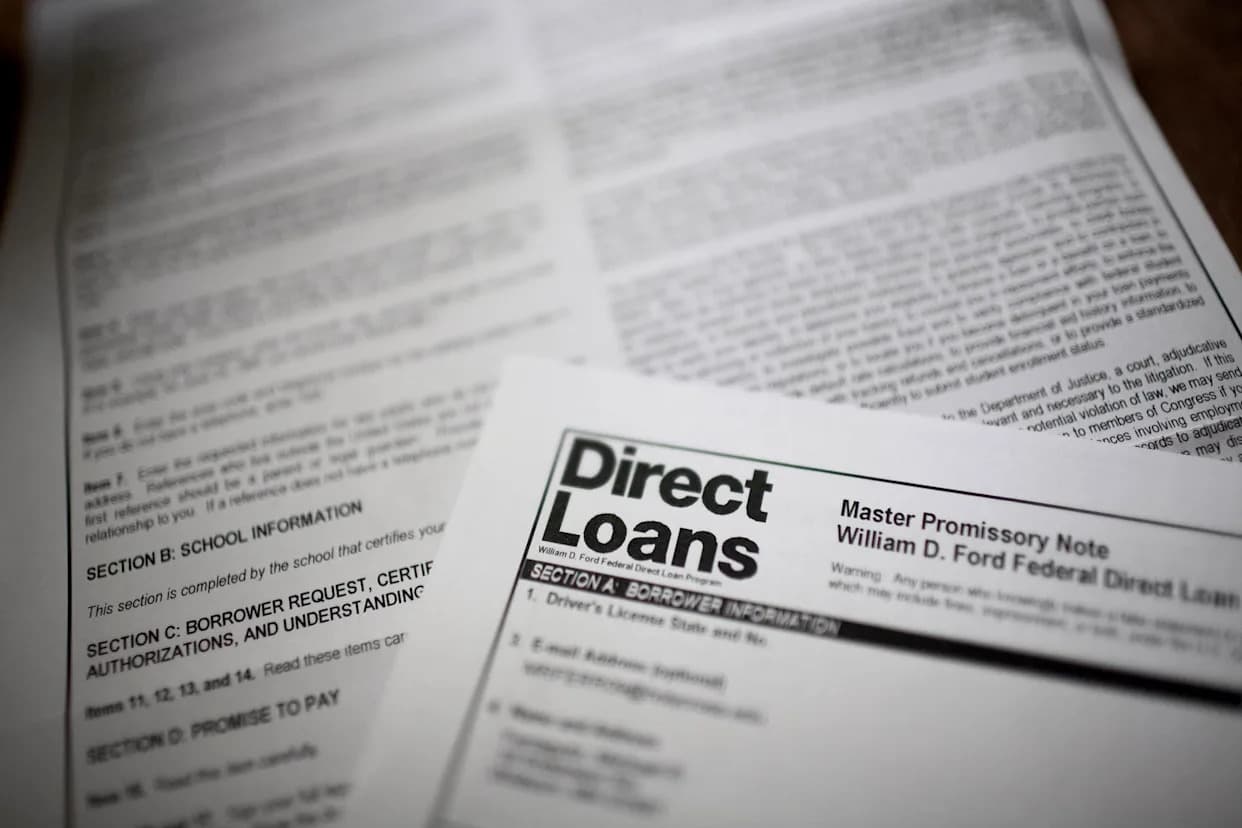
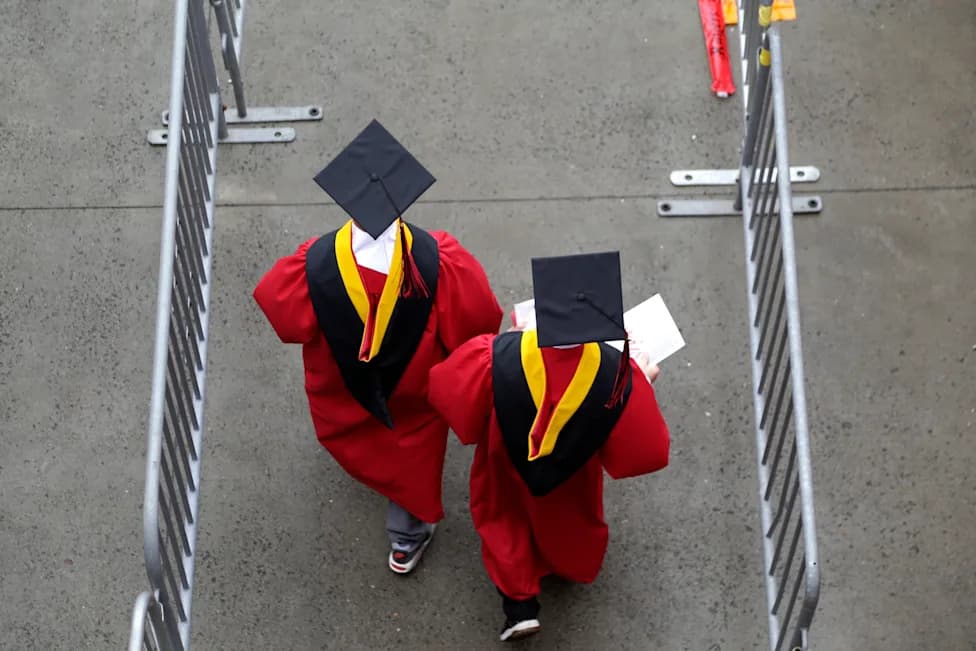
For students, a strict cap on federal student loans means they will have to seek aid elsewhere.Photograph: Boston Globe/Getty Images(Photograph: Boston Globe/Getty Images)
Advocacy groups representing physician assistants say recent federal limits on graduate borrowing will force many prospective PAs to rethink or postpone training because the caps fall far short of actual program costs.
What Changed and Who It Affects
The Department of Education (DoE) has set an annual federal loan cap for many physician assistant (PA) students at $20,500. That decision takes effect on 1 July alongside changes enacted in the One Big Beautiful Bill Act (OBBBA), which eliminated the Grad PLUS graduate loan program, set a roughly $20,000 annual cap on graduate loans and established a $50,000 cap for loans designated for professional education under the law.
Gap Between Aid and Costs
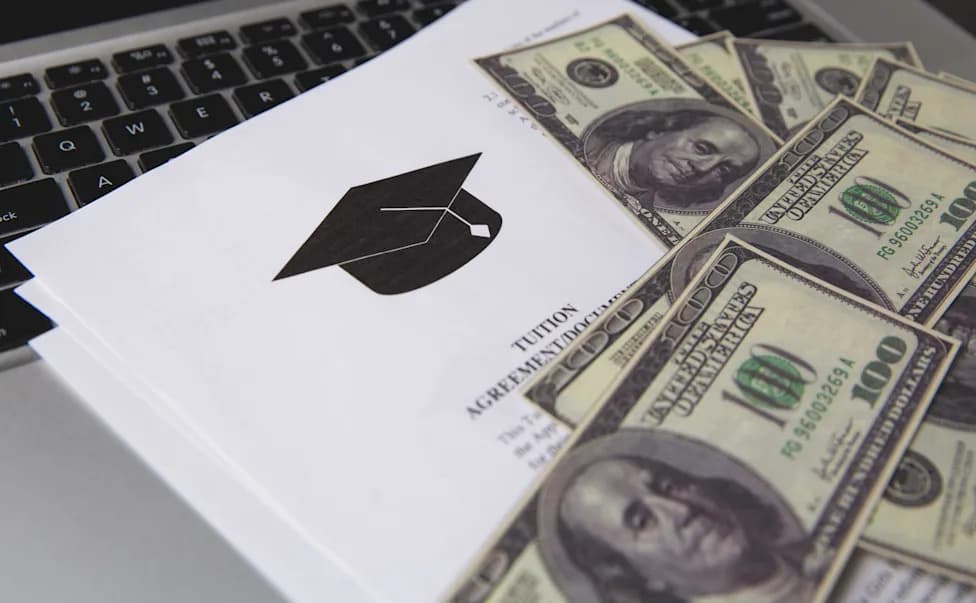
PA educators say the new limits create a stark affordability gap. The PA Education Association (PAEA) reports a median program cost of about $103,000 for programs lasting up to 27 months. Individual program prices underscore the disparity: State University of New York (SUNY) Downstate lists tuition and fees exceeding $58,000 for in-state students and about $113,000 for out-of-state students. Students commonly rely on loans not only for tuition but for living expenses while completing intensive clinical training often requiring 60–80 hour weeks.
Advocates’ Concerns and Legal Action
Groups representing PAs and PA programs argue the DoE misclassified many PA programs as "graduate" rather than "professional" education, denying them access to higher loan caps they say the law intended. A coalition of 24 Democratic attorneys general, one non-partisan attorney general and two governors sued in May seeking a permanent injunction; in June nursing associations, the American Academy of Physician Associates (AAPA) and the PAEA requested an emergency injunction. The AAPA represents more than 200,000 physician assistants nationwide.
"We got swept up in this big net without any real analysis and decision-making," said Todd Pickard, president of the AAPA, recalling how federal loans enabled his own career after private lenders would not have helped him. The groups said they expected a decision on the emergency injunction imminently.
Why This Matters For Rural Care
Physician assistants deliver a wide range of primary-care services — prescribing medication, conducting exams, interpreting tests and performing procedures — and roughly a quarter of PAs work in rural communities where they help fill physician shortages. Ironically, the OBBBA itself included measures intended to bolster rural health, such as a $50 billion Rural Health Transformation Program that expands non-physician providers' roles in underserved areas.
Where Students May Turn Next
With stricter federal limits, many students will likely seek private loans or other financing. Federal graduate and professional loans currently carry average interest rates near 8%, while private loan rates vary widely — roughly 3% to as high as 17.95% — and require extensive underwriting. That makes private borrowing more difficult and expensive for applicants with low credit scores, undermining access for lower-income or credit-challenged candidates.
Broader Debate: Loans Vs. Tuition
Education Secretary Linda McMahon has argued to Congress that capping federal loans creates pressure for institutions to lower tuition. Critics counter there is little evidence that tuition will fall enough to match the stricter caps, and they say the change risks reducing socioeconomic diversity in professional programs that have historically relied on federal aid to broaden access.
As the legal challenges play out, PA leaders and educators say policymakers should weigh the potential damage to workforce pipelines — particularly in rural and underserved areas — against any intended fiscal reforms.
Help us improve.