President Trump’s July 1 student-loan repayment overhaul has pushed monthly payments higher for many borrowers. Georgia teacher Jodi Sprague saw her payment rise from $404 to $1,014 on about $144,000 of debt, forcing family budget cuts and reconsideration of college and retirement plans. The change replaced the Biden-era SAVE plan, and more than 1,000 borrowers report similar strains. Under new rules, payments must be made exactly on the due date to count toward Public Service Loan Forgiveness.
Trump’s Student-Loan Overhaul Raises Georgia Teacher’s Monthly Bill From $404 to $1,014 — Family Forced to Cut Back
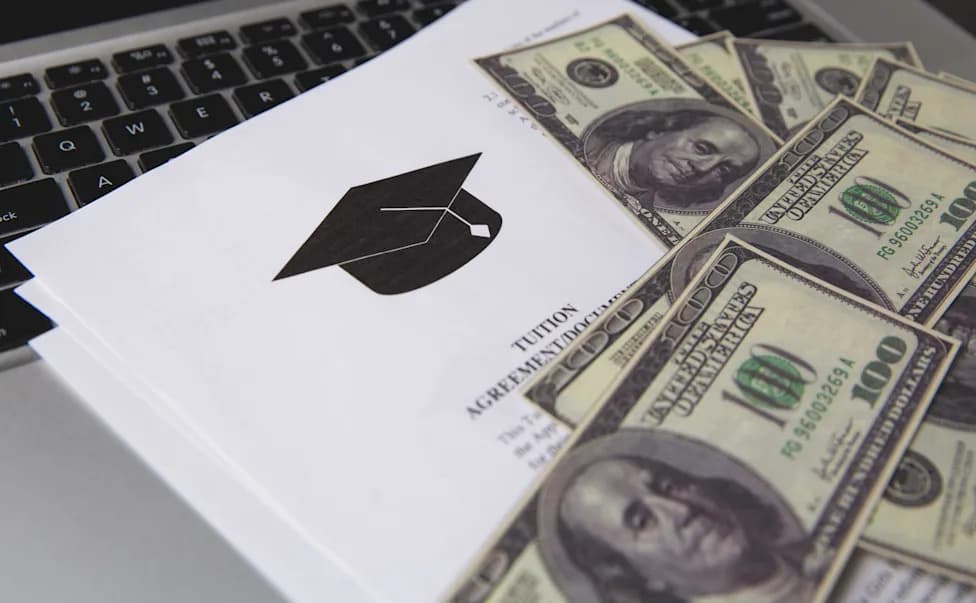
Photo Credit: iStock
President Donald Trump’s July 1 federal student-loan repayment overhaul has pushed monthly bills higher for many borrowers and is squeezing household budgets. One Georgia family’s experience illustrates how large the impact can be.
Jodi Sprague, a 54-year-old middle school teacher, expected years of modest living and careful planning to carry her family through loan repayment. Instead, she learned her monthly payment would jump from $404 to $1,014 — roughly a 150% increase — on a balance of about $144,000 from degrees at Kennesaw State University and the University of West Georgia.
That surge is rippling through the Sprague household. Financial help for their 19-year-old daughter, Olivia, is now at risk while she attends college; their 17-year-old daughter, Evelyn, is rethinking whether the cost of medical school and a future in forensic pathology is worth it; and retirement for Jodi and her husband Paul feels even farther away.
The payment spike stems from a federal repayment revamp that replaced the Biden-era SAVE plan. The administration said the changes aim to simplify repayment, discourage excessive borrowing and press colleges to lower tuition. But Business Insider reported more than 1,000 borrowers saying higher monthly bills are forcing them to take extra work, delay retirement and worry about default.
Jodi and Paul’s choices have been shaped by past financial hardship: they declared bankruptcy in 2011 after credit-card debt mounted, and the family once spent a school year in a rental after a storm-damaged roof. Those experiences led them to have frank conversations with their daughters about money and the true cost of higher education.
Olivia, who receives Georgia’s HOPE scholarship, is borrowing the federal maximum of $6,000 this year to cover rent and living costs so her mother doesn’t have to take on more debt. The family has cut discretionary spending — canceling a Florida trip, trimming streaming services, avoiding nonessential purchases — and Olivia skipped sorority rush because of cost.
Jodi is about three years away from qualifying for Public Service Loan Forgiveness (PSLF), which cancels debt for eligible government and nonprofit workers after 10 years of qualifying payments. Under the new rules, payments on recently established income-driven plans must be made exactly on the due date to count toward PSLF, a change that narrows the safety net for borrowers who were relying on precise timelines.
Experts say the Spragues’ story is not unique: sudden policy changes or price spikes can force painful trade-offs in housing, work and long-term plans for families already on tight budgets. Related reporting highlights other cost pressures: MIT researchers have found more Americans carrying heavier energy burdens as populations shift; surveys show nearly nine in 10 Americans bracing for rising basic costs; and Maryland recently announced a $200 million rebate program to ease home energy bills.
Bottom line: A single policy shift can upend carefully laid financial plans. For many households, higher monthly loan payments mean cutting spending, postponing retirement, reconsidering education choices and taking on extra work to stay afloat.
Help us improve.