Archaeologists from Baylor University opened a second sealed Etruscan tomb on June 9, 2026, just feet from an intact burial discovered in June 2025. The smaller chamber contained two skeletons and grave goods including a spearhead, olle, bucchero cups and an aryballos. Because both tombs remained sealed, researchers now have a rare opportunity to study Etruscan tomb construction, ritual practices and the health and social status of the interred individuals through detailed artifact and osteological analysis.
Two Sealed Etruscan Tombs Near Rome Yield Untouched 2,600-Year-Old Burials
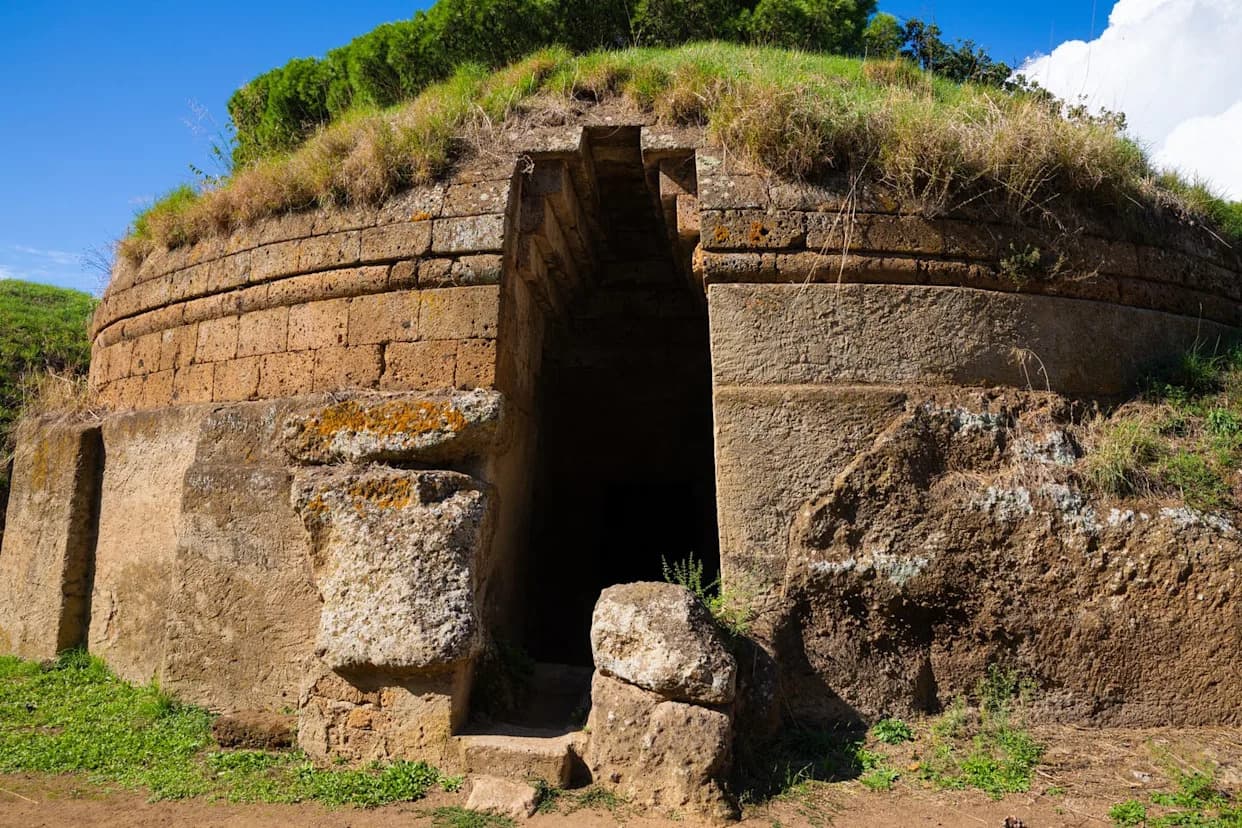
An Unsealed Tomb Is Unlocking an Ancient MysteryMarco_Piunti - Getty Images
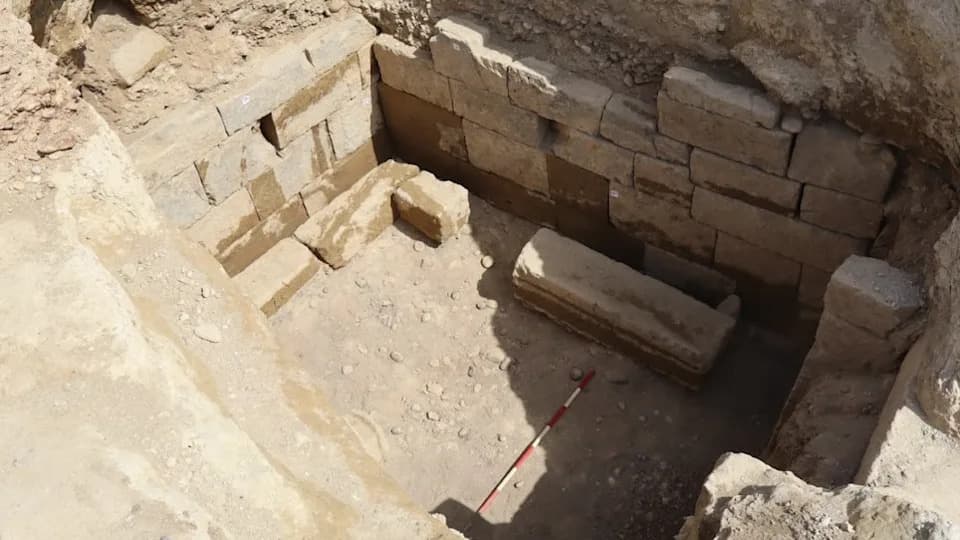
Archaeologists have opened a second rock-cut Etruscan tomb near Rome that remained sealed and undisturbed for roughly 2,600 years, located just feet from another intact burial revealed in June 2025. The new chamber, excavated by Baylor University’s San Giuliano Archaeological Research Project and entered on June 9, 2026, contained the skeletal remains of two individuals and a notable assemblage of grave goods.
Discovery and Contents
The recently opened tomb is smaller than the 2025 find but is archaeologically significant because its original stone sealing remained intact when researchers first identified it. Inside, the team documented two skeletons and a variety of artifacts: a spearhead placed beside one body, several large storage vessels (olle), polished black bucchero cups typical of Etruscan burials, and an aryballos — a small Greek-style jar used historically for oils or perfumes. The presence of the aryballos suggests personal or ritual practices associated with the interments.
Context and Comparison
The Etruscans, centered on the San Giuliano Plateau in what is now Italy, carved tombs directly into the rock and reached a cultural peak around 2,500 years ago. Archaeologists have recorded more than 600 rock-cut chambers in the region, but until the June 2025 discovery none had been confirmed as fully sealed and untouched by looters. The larger 2025 tomb, located only steps away, was dated to the late seventh century B.C.E. and contained four individuals laid on stone beds alongside more than 100 grave goods, making these paired finds a rare, tightly associated dataset for the same funerary landscape.
Significance
Officials from the Superintendency for Archaeology, Fine Arts and Landscape of Southern Etruria emphasized that the intact stone covering the doorway indicated the tomb had escaped looting. That confirmation heightened excitement when archaeologists entered and documented what the agency described as part of "one of the richest funeral landscapes in southern Etruria." Because the two sealed tombs sit only feet apart in an area known to have been plundered since the early Roman occupation, their preservation offers rare insight into tomb construction, internal organization, and ritual practice within a closely related family or community plot.
Next Steps
The research team plans a thorough cataloguing and scientific analysis of the grave goods and of the human remains. Osteological and forensic studies will seek to determine age at death, biological sex, health and dietary indicators, and any evidence of social status or cause of death. Analysis of the artifacts — including typology, material composition and any residues — will help reconstruct funerary rites and connections between Etruscans and neighboring cultures.
“A second grave buried in the same area a year apart is also concrete proof that the territory has been protected,” the superintendent wrote, underscoring the importance of preserving this exceptional archaeological context.
These discoveries not only enrich our understanding of Etruscan funerary customs but also provide a rare, intact record for scientific study that could reshape interpretations of social and ritual life on the San Giuliano Plateau nearly 2,600 years ago.
Help us improve.