CENTCOM announced that a precision airstrike on June 19 killed senior ISIS commander Ali Husayn al-Ulaywi as part of U.S. efforts to dismantle the group. The strike comes amid a deteriorating security environment in Syria following U.S. base closures and the escape of roughly 150 ISIS detainees earlier this year. CENTCOM has moved more than 5,000 detainees from Syria to Iraq, while up to 20,000 people left the al-Hol camp without monitoring. Authorities also discovered hidden chemical weapons material, raising proliferation concerns.
CENTCOM: Precision Airstrike Kills Senior ISIS Commander Ali Husayn al-Ulaywi in Syria
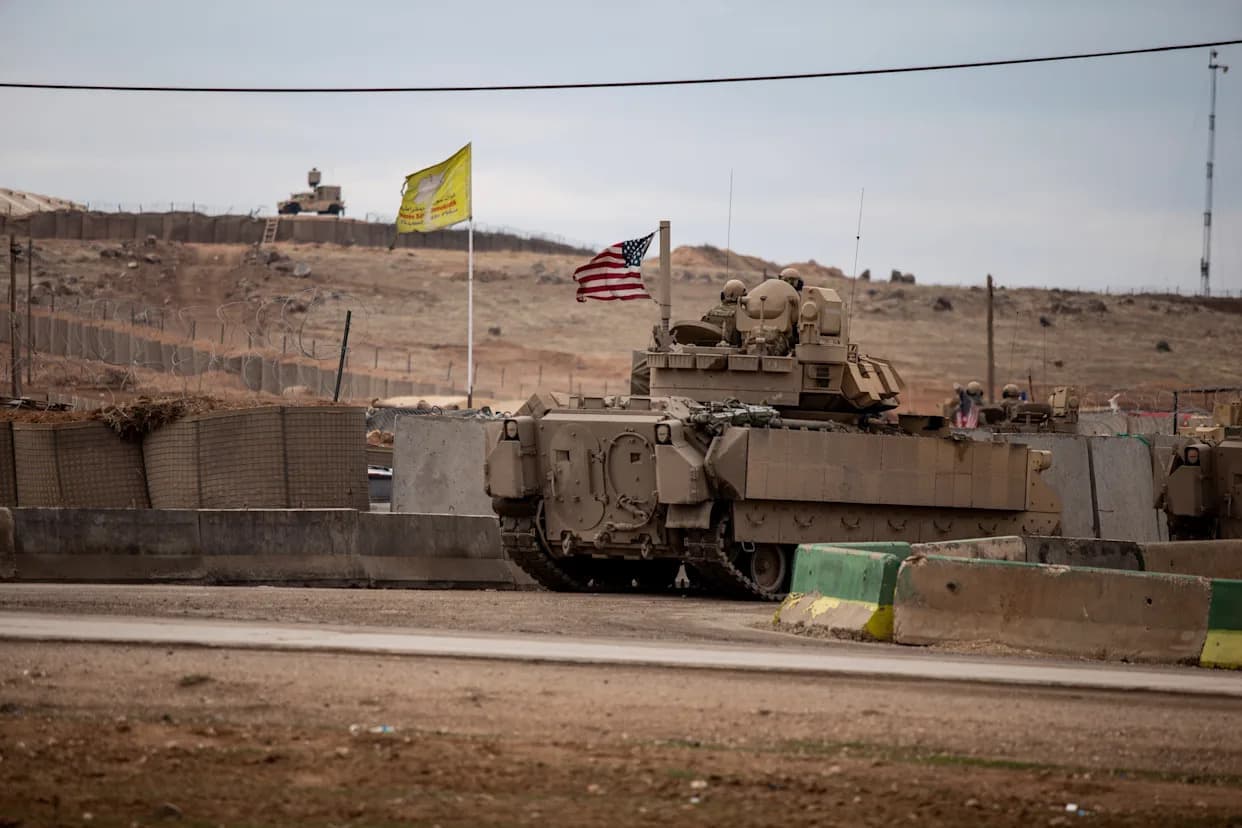
American soldiers patrol near prison that was attacked on Jan. 20 by the Islamic State militants in Hassakeh, Syria, Feb. 8, 2022. (Baderkhan Ahmad/AP, File)(BADERKHAN AHMAD)
Central Command (CENTCOM) announced on Wednesday that a precision airstrike on June 19 killed a senior Islamic State leader, Ali Husayn al-Ulaywi, as part of the U.S. campaign to degrade and defeat the militant group in Syria.
Details of the Strike
CENTCOM said the strike targeted al-Ulaywi as part of ongoing operations against remaining ISIS elements in the region. The command characterized the action as a targeted, precision strike intended to disrupt the group’s leadership and operational capabilities.
"CENTCOM and our partners remain committed to rooting out remaining remnants of ISIS to ensure its enduring defeat," Adm. Brad Cooper, CENTCOM commander, said in the statement. "We will continue to defend the U.S. homeland, our service members, and allies and partners across the region."
Wider Security Context
The announcement comes amid a deteriorating security picture in Syria after the December 2024 collapse of former President Bashar al-Assad’s government, which allowed multiple armed groups to contest control of territory. A recent Inspector General report found that shifting front lines earlier this year enabled roughly 150 ISIS detainees to escape custody.
As the situation worsened, U.S. forces secured the Panorama detention facility in northeastern Syria. In the weeks that followed, CENTCOM transferred more than 5,000 ISIS detainees from Syrian facilities to government-run prisons in Iraq to reduce the risk of further escapes and regrouping.
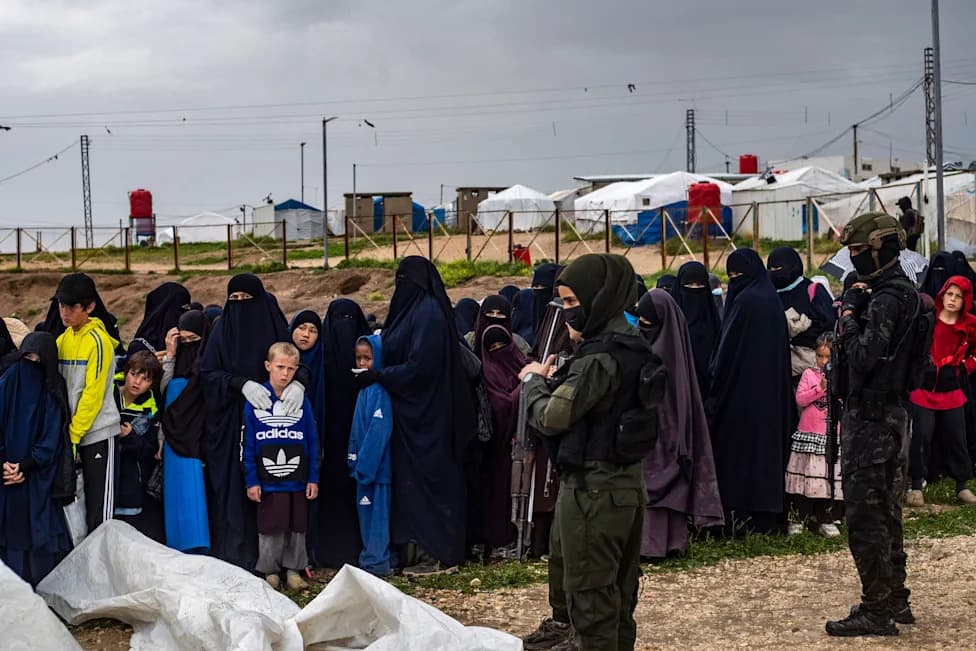
The same report also found that up to 20,000 residents departed the al-Hol displacement camp — which has long housed ISIS family members and affiliates — without being monitored, raising humanitarian and security concerns.
U.S. Force Posture and Regional Implications
In April, American forces closed their remaining bases in Syria after roughly a decade supporting Operation Inherent Resolve, the multinational campaign against ISIS. The report covering the first quarter of 2026 noted that U.S. forces also withdrew from the Baghdad Diplomatic Support Center, a logistics hub, while maintaining a presence in the Iraqi Kurdistan region and at the U.S. Embassy compound in Baghdad.
Compounding the already fragile environment, authorities recently discovered previously hidden chemical weapons material, prompting fears that such material could proliferate on the black market and further destabilize the region.
Outlook
U.S. officials say operations will continue to target ISIS leadership and networks, even as the region faces shifting power dynamics, large-scale population movements, and the added threat of illicit weapons proliferation.
Help us improve.