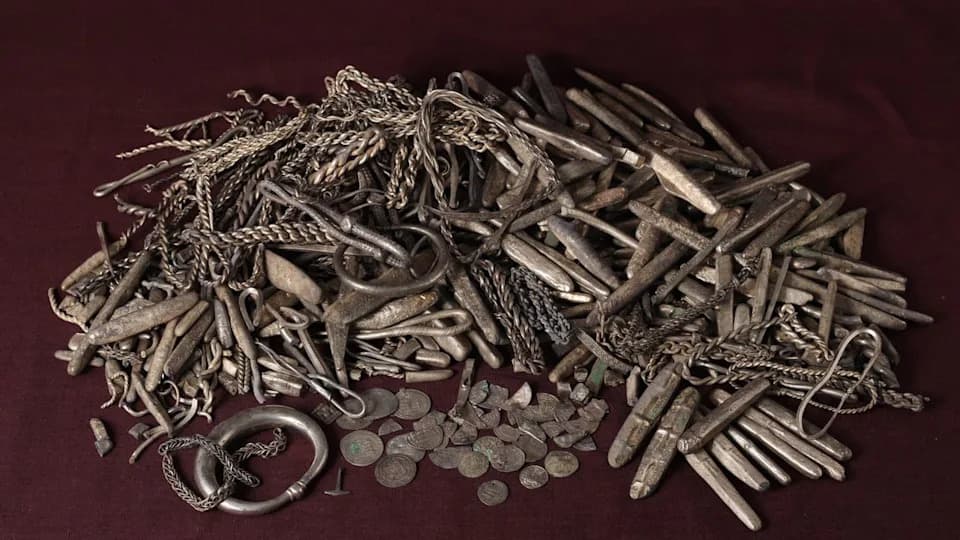
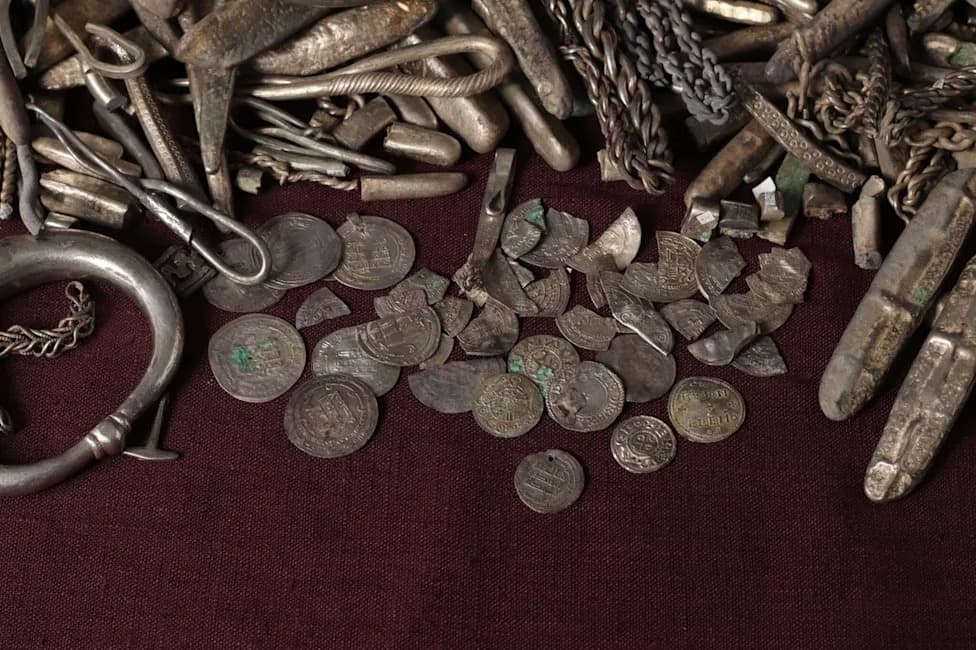
The Moesgaard Museum team has revealed a large Viking-Age textile production complex at Søften, about 10 km north of Aarhus, covering roughly 100,000 m² and containing more than 80 pit houses. Excavations uncovered evidence of flax processing, spindle whorls, weight loom weights, silver coins, glass beads and pottery, indicating organized, large-scale textile manufacture. The site’s layout—separate production zones and a single residence—suggests centralized control and links to broader trade networks centered on Aros (Aarhus). Researchers plan carbon dating and pollen analysis to clarify the specifics of production.
Massive Viking-Age Textile Complex Unearthed Near Aarhus, Denmark
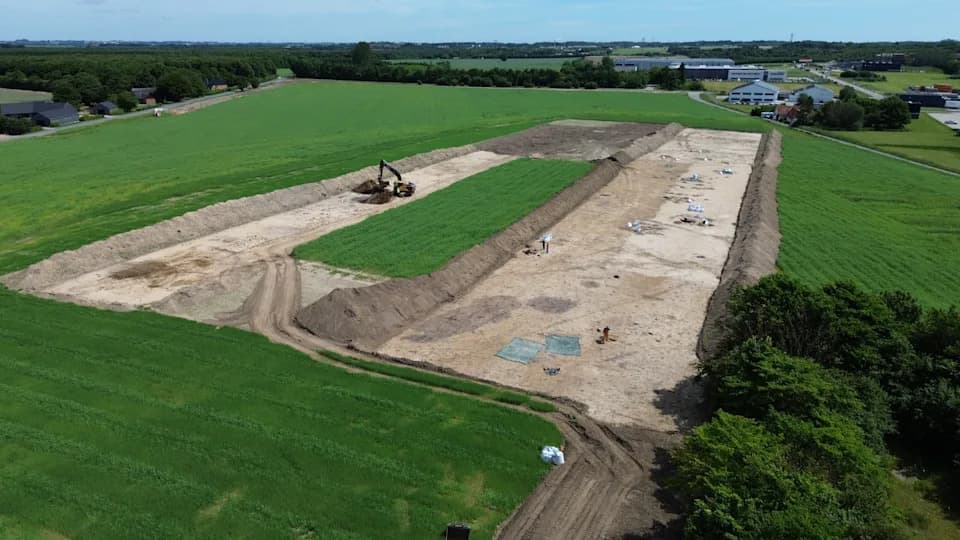
An aerial shot shows an archaeological site in Soften near Aarhus, Denmark, on June 22, 2026. (AP Photo/James Brooks)(AP Photo/James Brooks)
Archaeologists have uncovered an extensive Viking-Age textile production complex at Søften, Denmark, a discovery that sheds new light on the organization and scale of craft production in early medieval Scandinavia. The Moesgaard Museum team reports the site covers roughly 100,000 square meters (more than 1 million square feet) and contains over 80 pit houses alongside a dedicated flax-processing area.
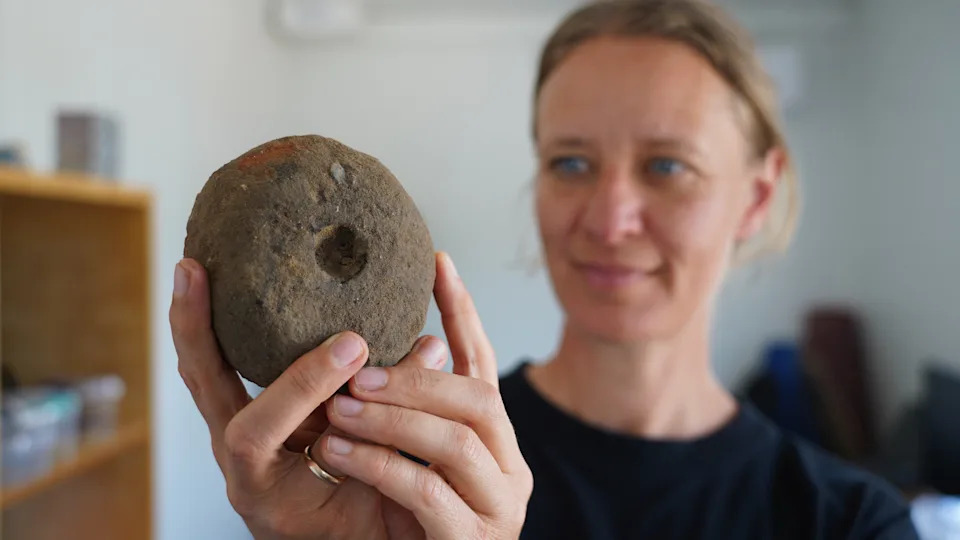
Moesgaard Museum archaeologist Liv Stidsing Reher-Langberg holds a Viking Age weight loom unearthed in Aarhus, Denmark, on June 22, 2026. (AP Photo/James Brooks)(AP Photo/James Brooks)
The settlement, located about 10 kilometers (6 miles) north of Aarhus on the Jutland peninsula, dates to the late Iron Age and early Viking Age (approximately A.D. 600–950). Excavations led by archaeologist Liv Stidsing Reher-Langberg lasted ten months and revealed a strong focus on textile manufacture that sets Søften apart from many contemporary settlements.
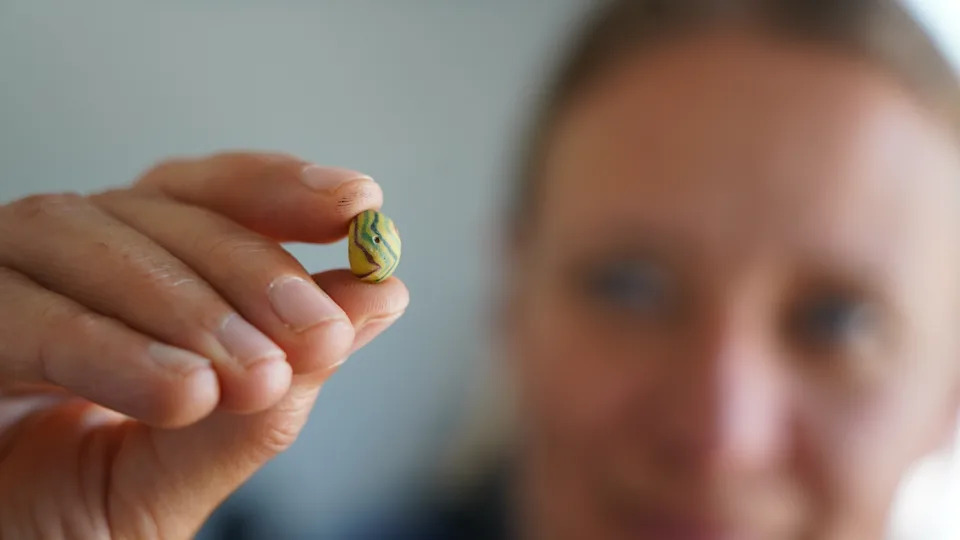
Moesgaard Museum archaeologist Liv Stidsing Reher-Langberg holds a Viking Age glass bead unearthed in Aarhus, Denmark, on June 22, 2026. (AP Photo/James Brooks)(AP Photo/James Brooks)
What Was Found
Excavators recovered a wide array of textile-related artifacts, including spindle whorls and weight loom weights, as well as everyday and prestige items such as silver coins, glass beads, and pottery. Distinct zones for production and crafts were mapped, and archaeologists identified a single residential building within the complex.
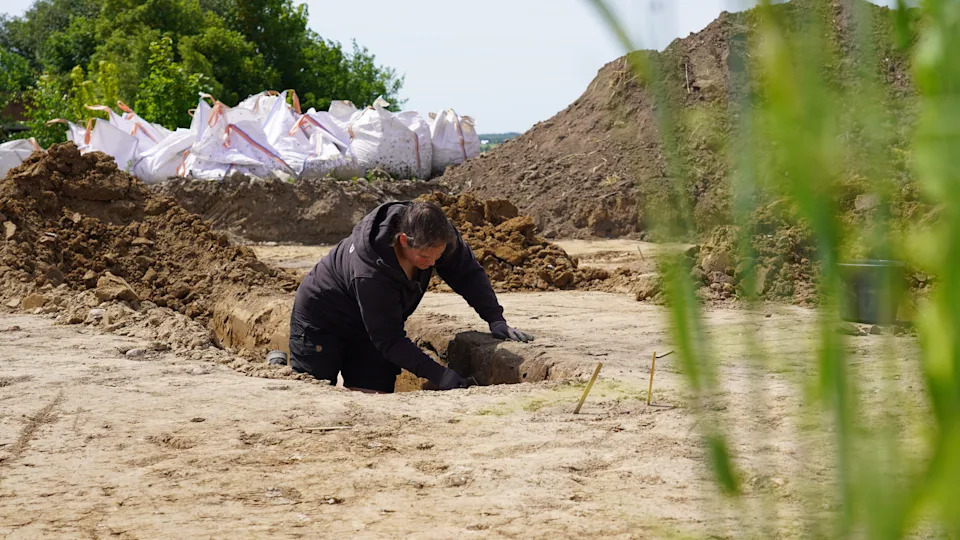
An archaeologists excavates a Viking Age pit house in Aarhus, Denmark, on June 22, 2026. (AP Photo/James Brooks)(AP Photo/James Brooks)
“We have spindle whorls and weight loom weights; those artifacts indicate extensive textile work inside the pit houses,” said Reher-Langberg. She also noted earlier finds of silver coins in the area by metal-detector users over the past three decades, which helped prompt the current investigation.
Why It Matters
The layout—separate production zones combined with only one apparent residence—suggests centralized oversight: a powerful individual or group may have controlled resources and coordinated large-scale manufacture. Museum historian Kasper Andersen says the discovery links local production to broader economic networks centered on Aarhus (historically Aros), an important hub of royal authority and international trade during the Viking Age.
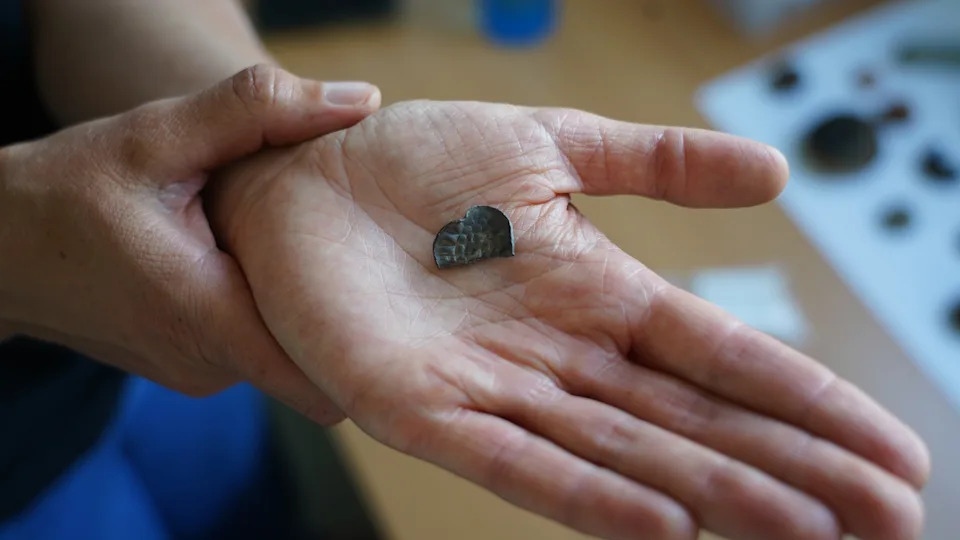
Moesgaard Museum archaeologist Liv Stidsing Reher-Langberg holds a Viking Age silver coin unearthed in Aarhus, Denmark, Monday, June 22, 2026. (AP Photo/James Brooks)(AP Photo/James Brooks)
Andersen argues that a site of this magnitude could not have existed to satisfy only local demand; textiles and raw materials were likely funneled into wider trade routes. A nearby elite site discovered in Lisbjerg last year, about 4 kilometers away, reinforces the idea of a regional economic system with specialized production sites feeding urban centers.
Next Steps
Researchers plan carbon dating and pollen analysis to refine the chronology and better understand which crops and fibers were processed at Søften. These studies should clarify whether the site produced textiles for local consumption, long-distance trade, or both.
Context: The Viking Age is conventionally dated from A.D. 793 to 1066 and is known for Norse exploration, trade, settlement, and occasional raids across Europe and beyond. Finds like Søften help challenge simplified images of Vikings as merely raiders by highlighting their complex economies and craft specialization.
Help us improve.