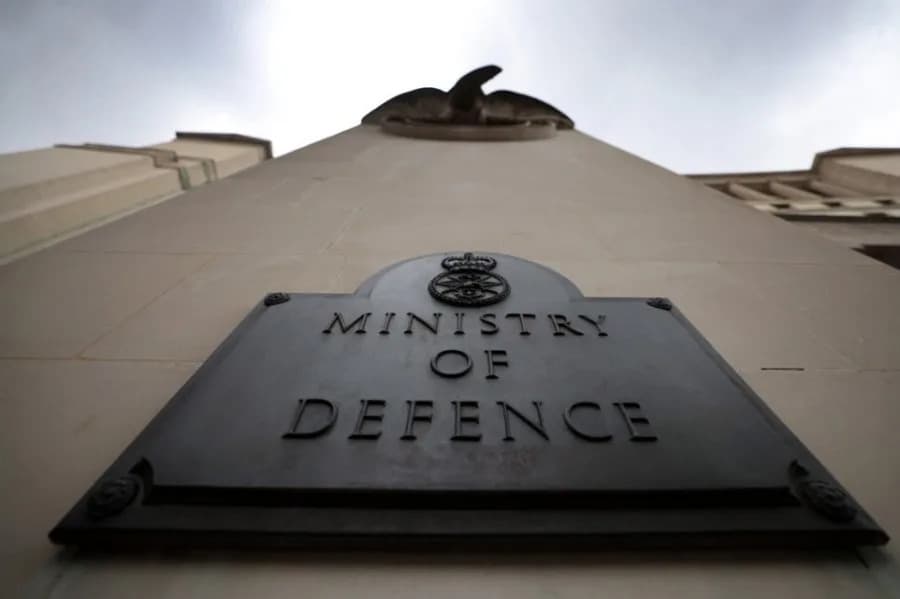
Britain’s withdrawal and the Taliban takeover have left Afghanistan impoverished, institutionally fragile and vulnerable to extremist groups such as ISIS‑K. Continued Western disengagement risks growing Chinese influence, rising migration and further instability. Re-engagement — carefully distinguished from recognition — is presented as a pragmatic means to protect rights, curb extremism and shape Afghanistan’s future through targeted humanitarian, economic and diplomatic measures.
Why Britain Should Re-engage With the Taliban: A Practical Case for Diplomacy
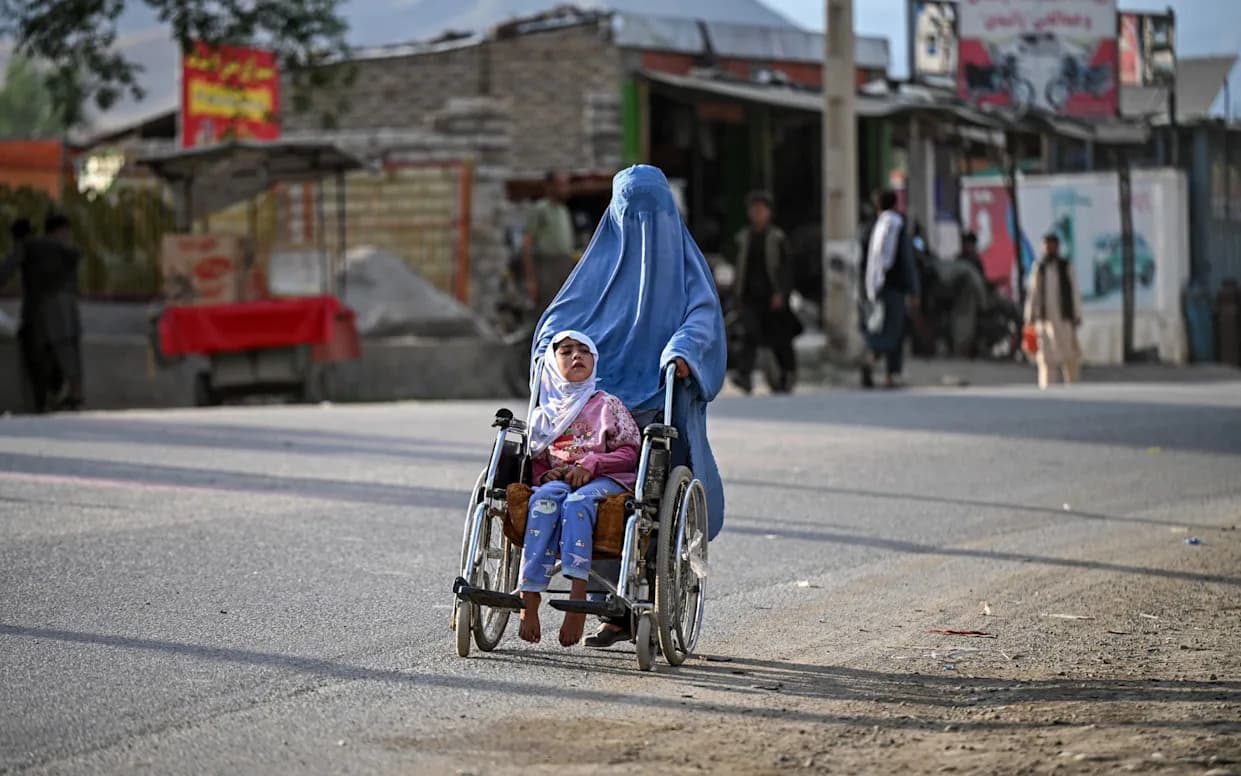
Britain remained in Afghanistan for twenty years - Omer Abrar/AFP
Britain’s two-decade effort in Afghanistan — costing billions and claiming 457 British lives — ended in the Taliban’s return to power in August 2021. That outcome remains a painful legacy for veterans, diplomats and aid workers who invested in building a stable, democratic state.
It is understandable that much of the West has turned away. Headlines now focus on new restrictions on girls’ education, shrinking civil liberties and repeated reminders that the Taliban’s values diverge sharply from those the international community sought to promote.
The Stakes Are Regional — And Global
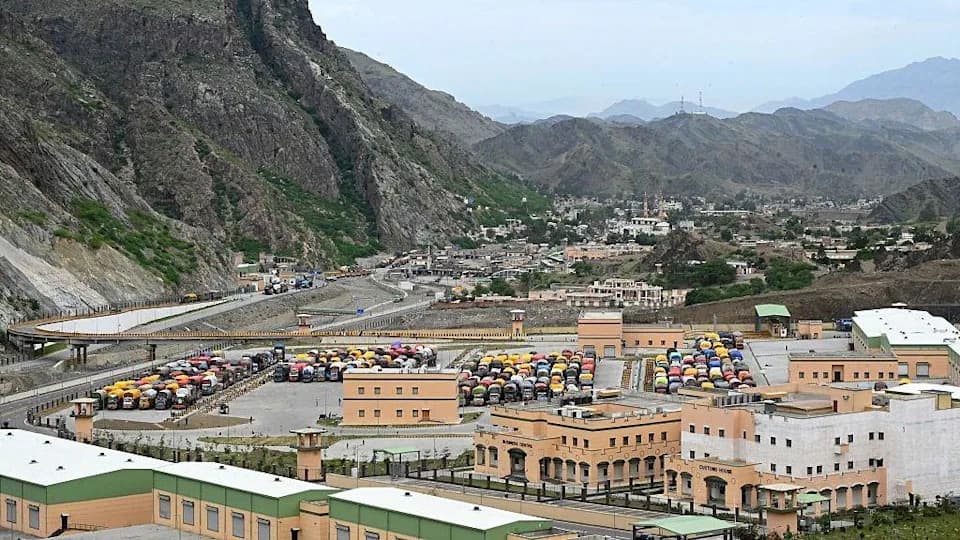
But what happens in Afghanistan does not stay in Afghanistan. The Taliban are no longer an insurgency in the mountains; they are the de facto government of roughly 40 million people, responsible for borders, an economy and preventing extremist groups from exploiting instability.
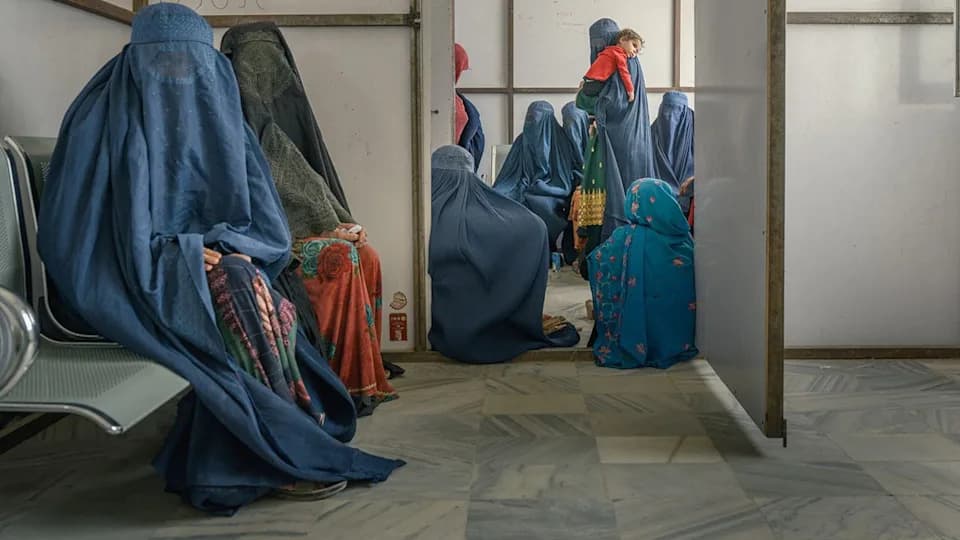
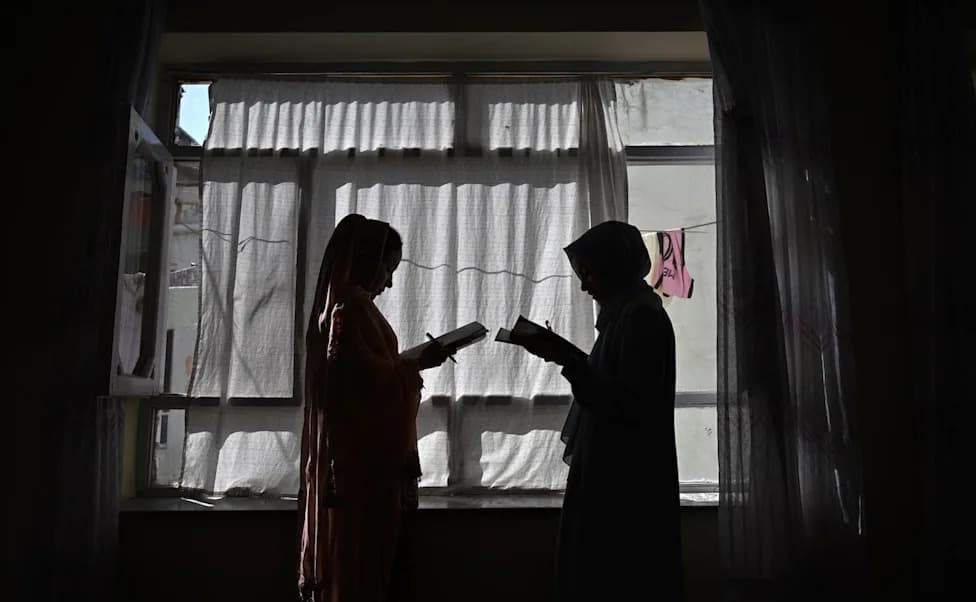
Today Afghanistan is among the poorest countries in the world. Millions depend on humanitarian aid, infrastructure and state institutions remain weak, and large swathes of the population — especially girls — face barriers to education. Those conditions breed criminal networks, intensify migration pressures and create recruitment pools for extremist groups like ISIS-K.
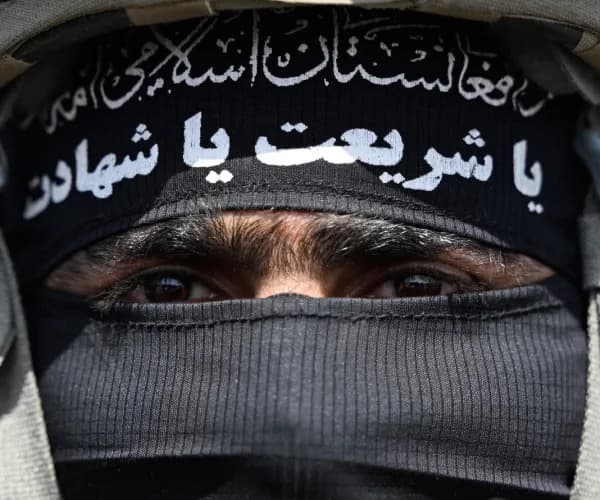
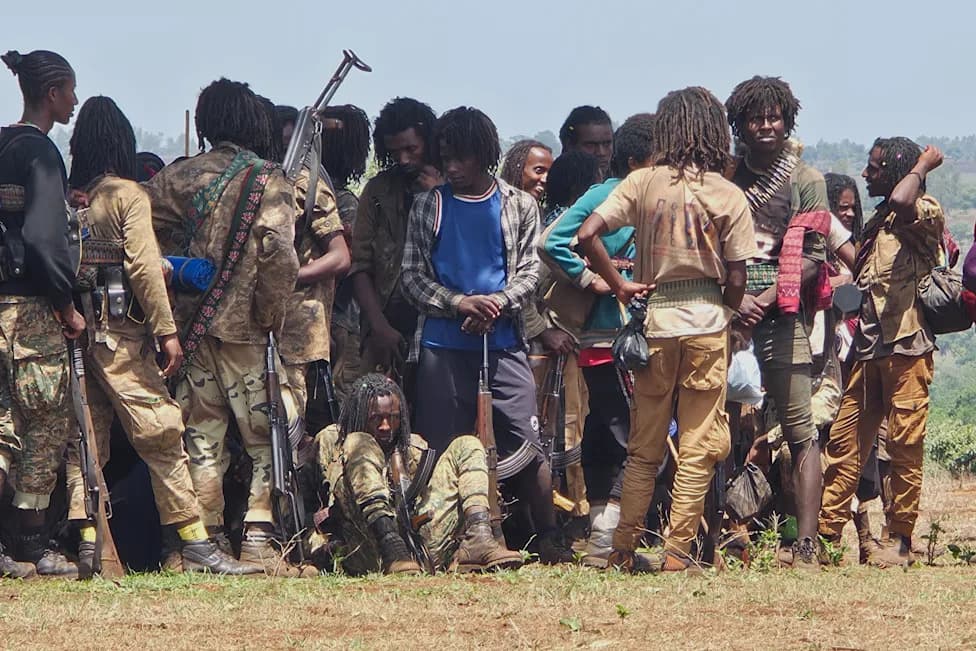
UN assessments warn that ISIS-K retains the capacity to recruit and inspire attacks beyond Afghanistan’s borders.
Why Disengagement Is Risky
Disengagement has costs: reduced influence over human-rights outcomes, fewer levers to curb extremism, growing migration pressures and the geopolitical risk of Afghanistan drifting into the economic orbit of competitors such as China, particularly given the country’s mineral wealth.
History offers a lesson. Before 9/11, terrorist groups exploited ungoverned Afghan territory as a safe haven. Ignoring Afghanistan in the hope that problems will disappear risks repeating mistakes with far-reaching consequences.
What Re-Engagement Would Mean
Re-engagement does not require recognition or endorsement of the Taliban. Diplomacy is a tool to shape behaviour, protect rights and create conditions for stability. Officials running ministries and managing the economy appear pragmatically inclined toward international engagement — even if hardliners seek isolation.
Practical measures could include targeted humanitarian aid, conditional technical support for public services, dialogue on counterterrorism cooperation, and multilateral coordination to ensure Afghanistan does not become dependent on a single external patron. Sanctions, legal pressure and public condemnations can continue where appropriate — they are not mutually exclusive with discreet diplomacy.
Conclusion
Britain faces a choice: persist with symbolic isolation that limits influence, or pursue a calibrated re-engagement aimed at reducing extremism, protecting human rights where possible and reducing migration drivers. If the goal is a stable, secure and prosperous Afghanistan where people can envision a future at home, diplomacy — not silence — must be part of the strategy.
Help us improve.