Chinese naval ships Qi Jiguang and Kunlunshan docked in Vladivostok for four days of training and crew exchanges, underscoring expanding China–Russia military cooperation. The visit follows recent Xi–Putin talks to deepen defense ties and comes amid Western concerns about increased joint patrols near Alaska and in Northeast Asian waters. Observers note broader and deeper naval collaboration, including a first joint submarine exercise.
Chinese Naval Flotilla Visits Vladivostok as China–Russia Military Ties Deepen
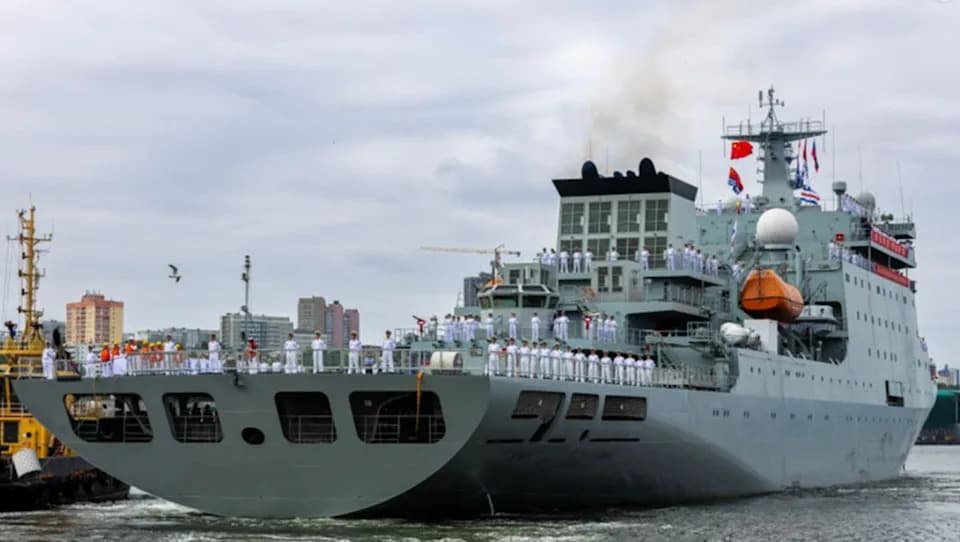
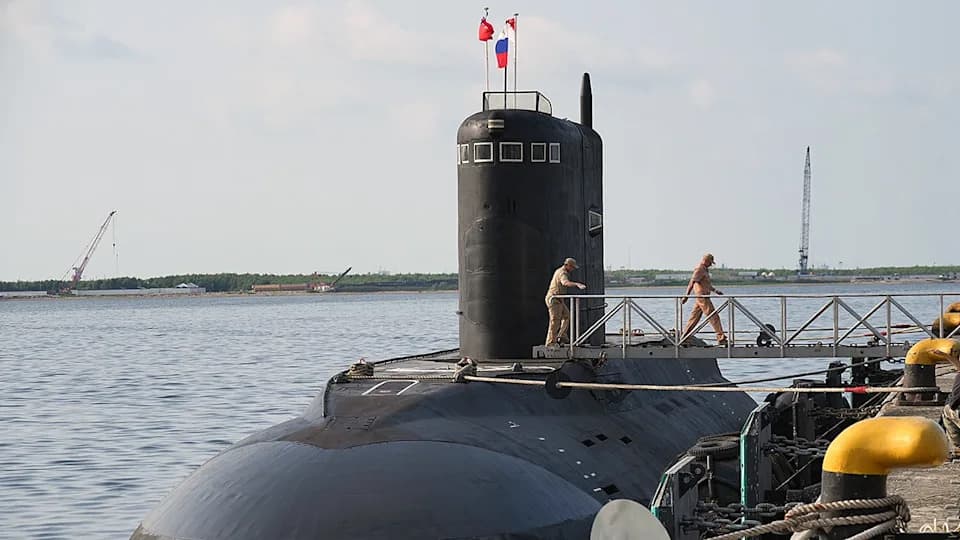
Chinese training ship the Qi Jiguang arrives in Vladivostok on June 23, 2026, as part of an exchange with Russian naval officers.
A Chinese naval flotilla, comprising the training ship Qi Jiguang and the amphibious dock landing ship Kunlunshan, docked in the Russian Far Eastern port of Vladivostok on Tuesday for a four-day program of training and personnel exchanges. The visit highlights deepening military cooperation between Beijing and Moscow amid rising tensions with the United States and its Pacific allies.
Arrival and Official Purpose
The vessels — part of the People’s Liberation Army Navy’s Task Force 83 — moored at Vladivostok, the headquarters of Russia’s Pacific Fleet, after accepting an invitation from the Russian Navy. Images released by the Chinese state news agency Xinhua showed the ships passing a waterfront lined with flag-waving spectators.
What the Governments Say
China’s Defense Ministry described the deployment as a "long-distance sea internship," saying Chinese sailors will hold exchanges and training activities with Russian naval personnel while in port. Ahead of the arrival, the ministry said the two militaries would "earnestly implement the consensus reached by the two heads of state and continue to expand practical cooperation in various fields."
“The Chinese and Russian militaries will earnestly implement the consensus reached by the two heads of state and continue to expand practical cooperation in various fields.” — China’s Defense Ministry
Strategic Context
Although Beijing officially maintains a neutral stance on Russia’s invasion of Ukraine, it has expanded cross-border trade that helps cushion Moscow against sanctions, including dual-use exports and increased purchases of discounted Russian oil and gas. Western officials have repeatedly warned that China acts as a "decisive enabler" of President Vladimir Putin’s war effort.
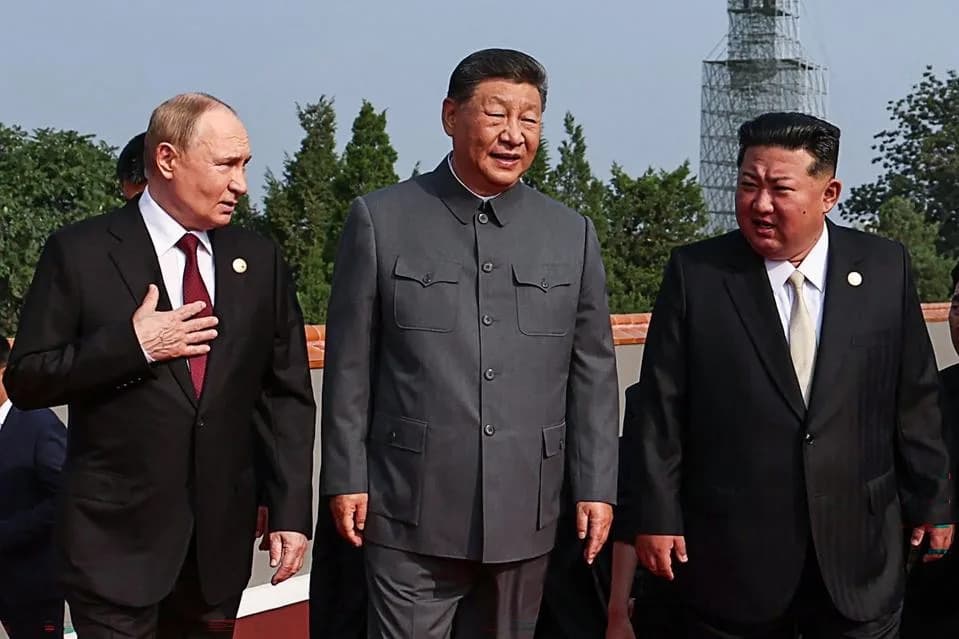
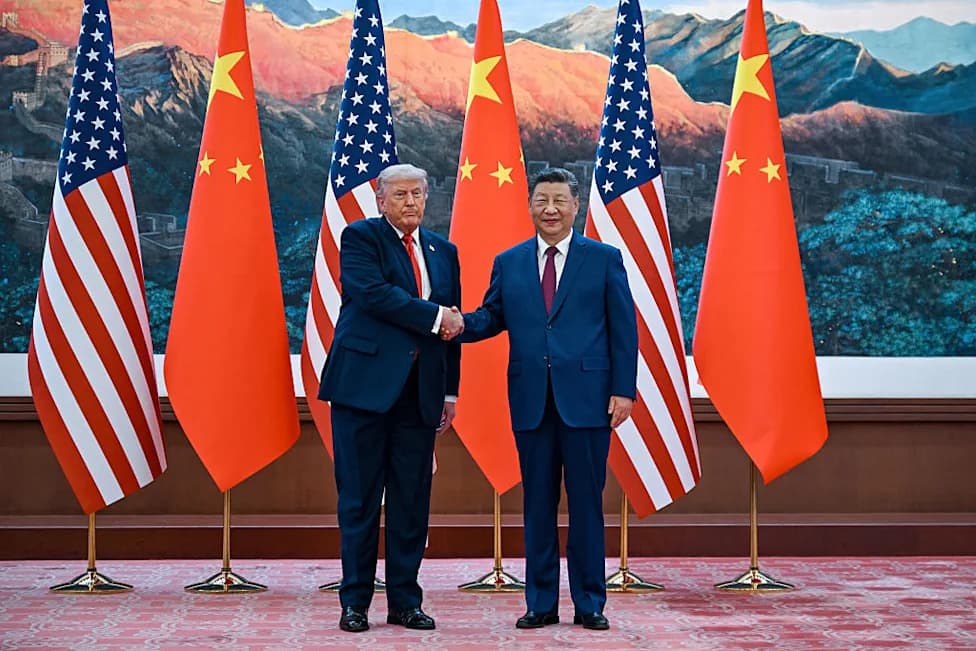
Chinese President Xi Jinping and Russian President Vladimir Putin recently reaffirmed their strategic partnership during Putin’s visit to Beijing, pledging deeper cooperation across defense, energy and technology sectors. Newsweek contacted the Russian foreign ministry and the U.S. Department of Defense for comment.
Regional Security Implications
Russia and China have stepped up joint air and naval drills in recent years. Although 2025 recorded a five-year low in the number of bilateral exercises — six drills compared with a reported peak of 14 in 2024 — the two countries have widened the scope of cooperation, including conducting their first joint submarine exercise, according to the Center for Strategic and International Studies.
U.S. maritime agencies, including the Coast Guard, have expressed concern about increased combined and coordinated Chinese-Russian patrols near U.S. territory, particularly around Alaska. Japan and South Korea have also voiced alarm: in December, Chinese and Russian long-range bombers flew a joint patrol over the Sea of Japan and international waters between Okinawa and Miyako, prompting Japan’s Air Self-Defense Force to scramble fighters. Japanese Defense Minister Shinjiro Koizumi called that sortie a "show of force" and a serious national security concern.
Outlook
While Beijing and Moscow are not bound by a formal mutual-defense treaty, their growing military cooperation signals a shared interest in challenging long-standing U.S. military primacy and in promoting a more multipolar international order. Observers say expanded naval activity may reflect a higher degree of operational familiarity and trust between the two maritime forces.
Help us improve.