The Baylor College of Medicine study, published in Nature Communications, finds that tubulin can enter protein condensates and keep tau and α‑synuclein in non‑toxic conformations, preventing harmful aggregation in cell models. Reducing tubulin increased protein clumps and caused neuron loss. The results suggest therapies might aim to preserve tubulin or microtubule integrity, but animal and human studies are needed to confirm safety and efficacy.
Common Protein Tubulin May Prevent Brain Changes Linked to Alzheimer’s and Parkinson’s
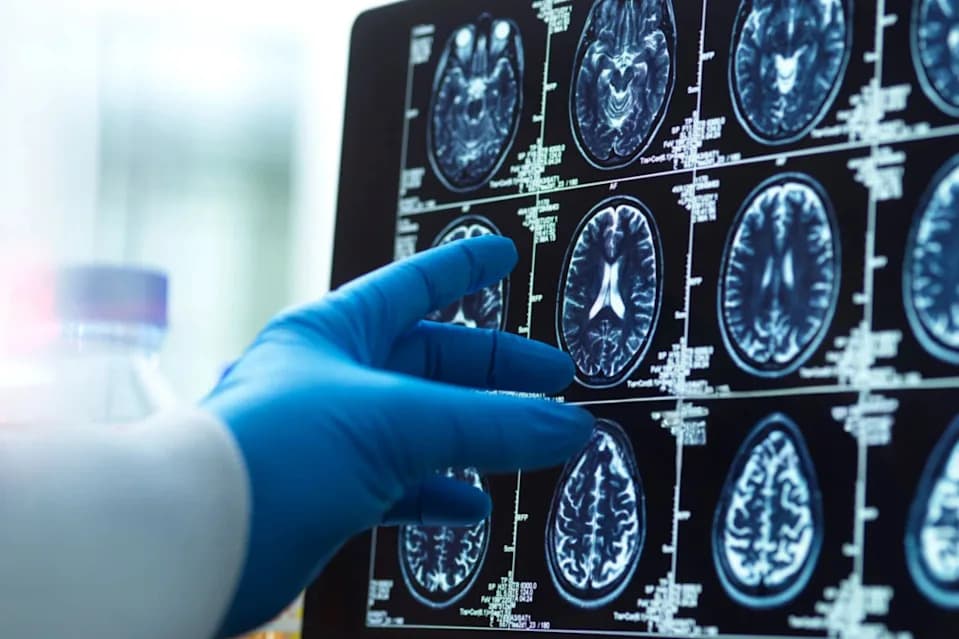
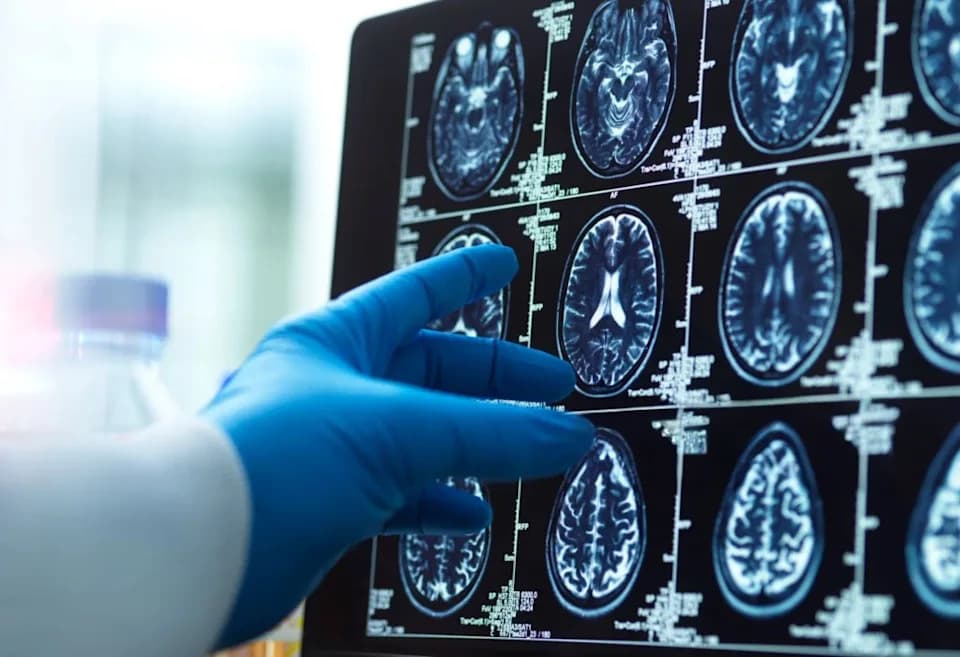
A brain scan image with a doctor’s hand, representing medical diagnosis and research.
Researchers at Baylor College of Medicine report that the abundant cellular protein tubulin can help prevent the harmful clumping of tau and α‑synuclein—two proteins closely linked to Alzheimer’s and Parkinson’s diseases—by entering membrane‑free protein condensates and keeping these proteins in functional shapes.
How Tubulin Acts
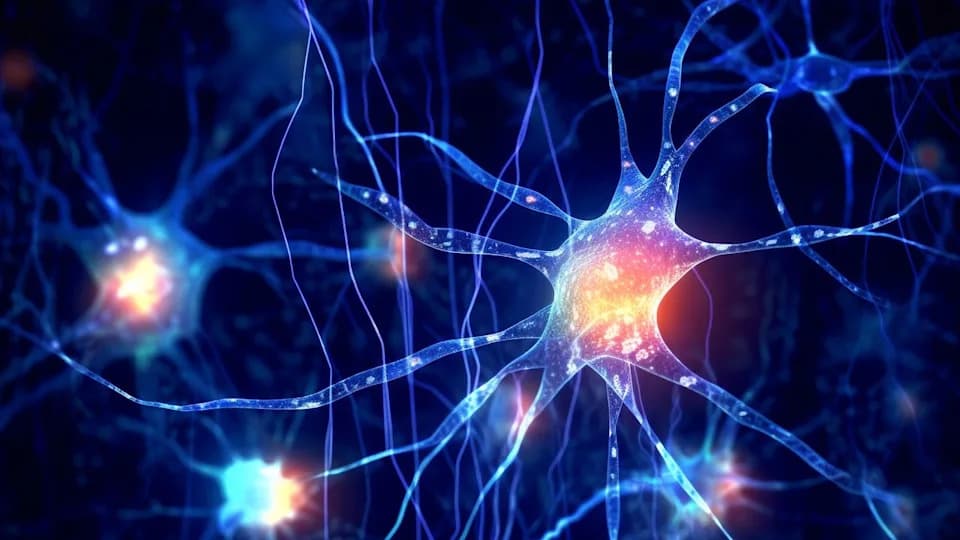
Published in Nature Communications, the study shows that tubulin, best known for assembling microtubules (the cell’s internal “railway tracks”), is drawn into tiny droplet‑like compartments called condensates where tau and α‑synuclein concentrate. Inside those condensates, tubulin competes for binding sites and helps maintain tau and α‑synuclein in non‑toxic, functional conformations rather than allowing them to adopt aggregation‑prone shapes.
Evidence From Cell Models
In cell‑based experiments, reducing tubulin levels shifted condensate composition and dramatically increased pathological aggregation of tau and α‑synuclein, producing greater toxic buildup and visible neuron loss. These findings suggest tubulin plays a protective role in maintaining proteome balance inside neurons.
“Tubulin…acts as a molecular switch that determines whether tau and α‑synuclein become toxic or stay useful,” said Ram Bishnoi, MD, MBA, associate professor of psychiatry and behavioral neurosciences, in an interview with Newsweek.
Implications For Therapy
Rather than focusing solely on dissolving existing protein deposits, the authors propose a complementary strategy: preserve or restore tubulin/microtubule integrity so tau and α‑synuclein remain physiological. This “redirect rather than demolish” view recognizes that tau and α‑synuclein have normal roles in neurons and that removing or blocking them indiscriminately could be harmful.
However, the work is preclinical. The experiments were performed in laboratory and cell‑model systems; animal studies and human research are required to confirm whether boosting tubulin or stabilizing microtubules is safe and effective. As the authors note, drugs that target microtubules are challenging to develop because microtubules are essential across many tissues.
Citation: Lucas L., Tsoi P.S., Quan M.D., Choi K.-J., Ferreon J.C., Ferreon A.C.M. (2026). Tubulin Transforms Tau and α‑synuclein Condensates From Pathological To Physiological. Nature Communications. doi:https://doi.org/10.1038/s41467-026-69618-3.
Help us improve.