The reported strike at 10am on 9 June in Las Claritas produced a massive explosion and helicopter activity; Donald Trump posted footage alleging the death of Tren de Aragua leader Héctor “Niño” Guerrero Flores, but authorities have provided no independent confirmation. Analysts say the apparent US-Venezuela operation marks an unprecedented level of cooperation and could expand US on-the-ground action against organised crime. Experts warn the action may also aim to clear parts of the Orinoco Mining Arc — rich in gold and strategic minerals — for foreign investment, but entrenched armed groups and state collusion make lasting stability unlikely.
Mystery Strike in Las Claritas: US-Venezuela Operation — Security Move or Prelude to Mining Investment?
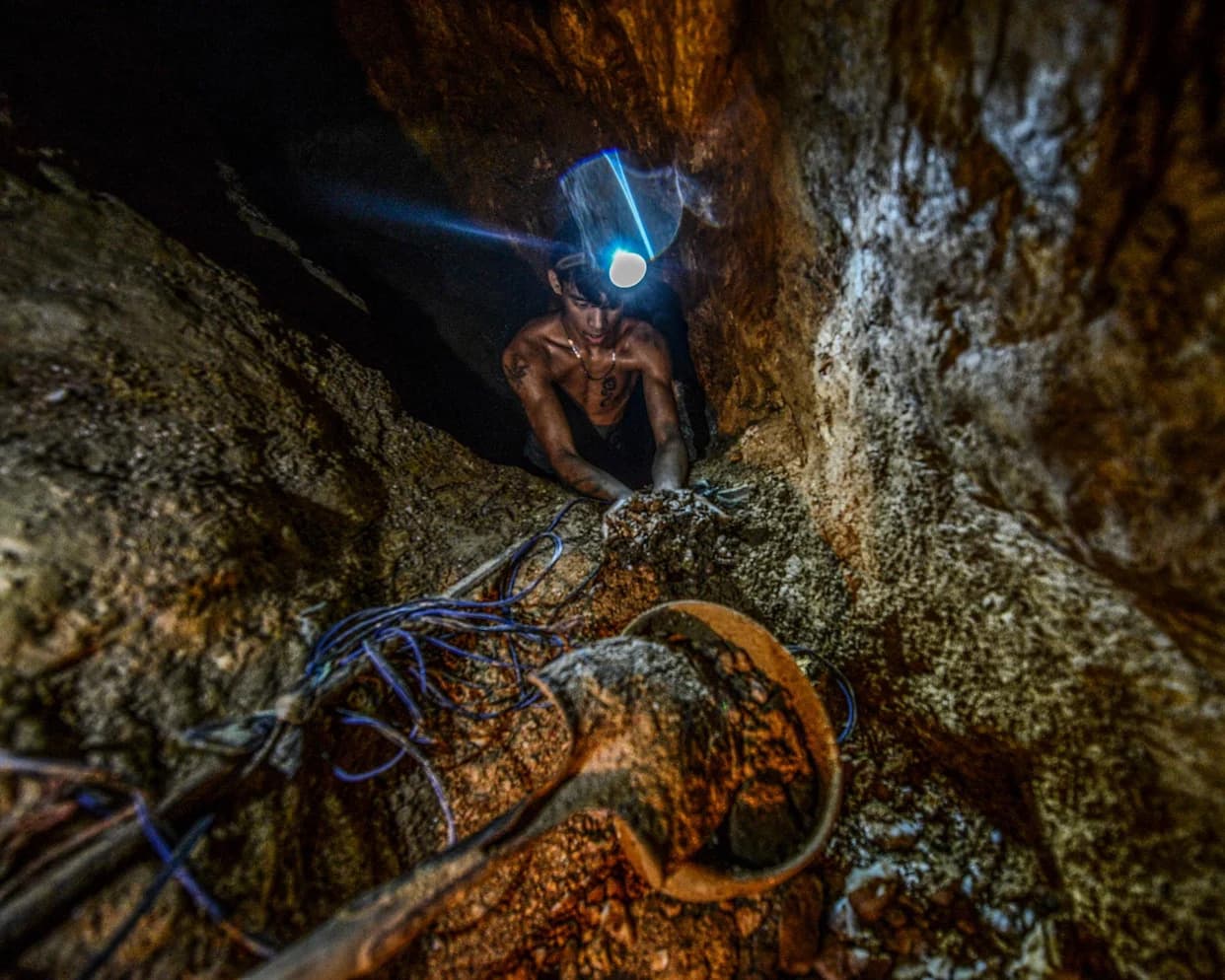
A miner shows stones laced with gold at La Culebra goldmine in El Callao, Bolívar state, south-eastern Venezuela.Photograph: Juan Barreto/AFP/Getty Images(Photograph: Juan Barreto/AFP/Getty Images)
At 10am on 9 June a powerful explosion rocked Las Claritas, a makeshift settlement on the edge of a vast goldfield carved from the Venezuelan Amazon. Miners and residents described blast waves that shook homes kilometres away and reported helicopters circling overhead shortly afterwards.
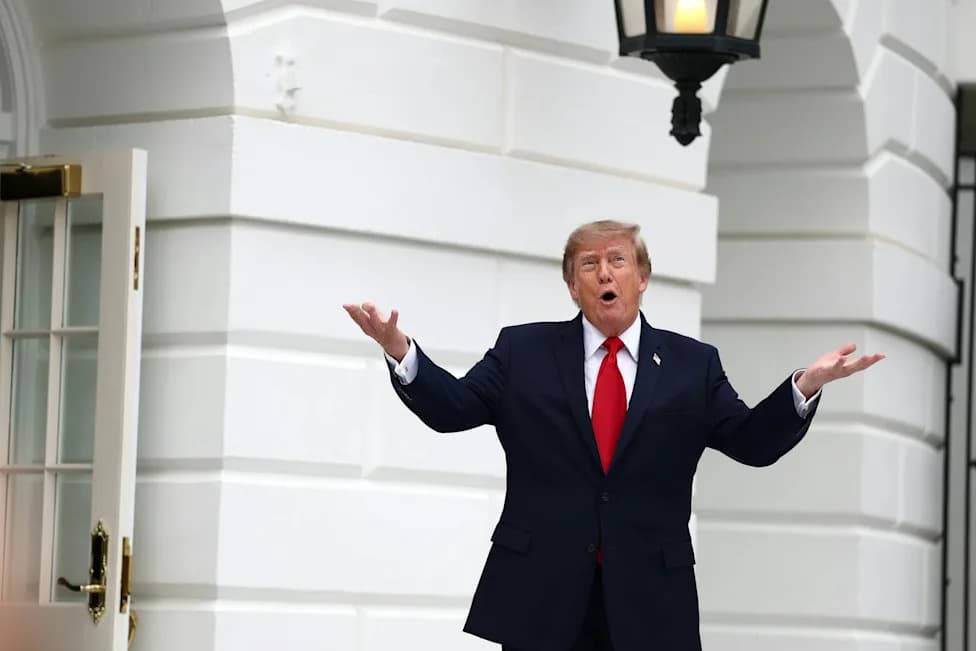
Donald Trump later shared aerial footage on social media and said it showed the killing of Héctor Guerrero Flores — known as Niño Guerrero — the alleged leader of the Tren de Aragua criminal gang. The images resembled previous US strikes on suspected drug-trafficking vessels, but observers emphasised a key difference: the footage appears to show activity on Venezuelan territory, among illicit open-pit mining operations in the country’s south.
The precise details remain opaque. Authorities have not provided independent, verifiable proof that Niño Guerrero was killed, nor have they confirmed whether other gang figures were targeted or whether civilians were injured or killed during the operation. Locals reported days of gunfire and explosions as helicopters patrolled the area, but reliable casualty figures are not available.
“The blast was so powerful that my sister’s house shook, and she was 10 kilometres away,” a miner who asked to remain anonymous told reporters. “Imagine the impact.”
Why This Matters
Analysts say the apparent joint action between US forces and Venezuelan authorities marks an unprecedented turn in relations between two former adversaries and could signal an expansion of US operations against organised crime on land, not just at sea. Bram Ebus of the International Crisis Group described the event as an "inflexion point" because it reflects US activity within another country's terrestrial borders in close cooperation with local authorities.
Mining And Geopolitics
The strike has focused attention on the Orinoco Mining Arc, a vast, mineral-rich region bordering Guyana and Brazil. Aside from gold, the area contains rare earths and strategic minerals including nickel, copper, bauxite and coltan — resources of high interest to both industry and national security planners.
Since January, following a US-backed operation that removed Nicolás Maduro and installed Delcy Rodríguez, Venezuelan authorities have enacted mining reforms to open the sector to foreign private capital. US regulators have also issued licences allowing transactions in Venezuelan-origin gold. Canadian and US companies such as Crystallex and Gold Reserve have long disputed expropriations in the region and have signalled interest in returning.
Some local politicians and activists suspect the strike could serve dual purposes: degrading criminal groups and preparing territory for private mining investment. "I suspect the origin of this latest operation is that the United States wants the area cleared for Gold Reserve and Crystallex so they can regain control of the region," said Américo de Grazia, a former member of Venezuela’s national assembly for Bolívar state.
Persistent Risks And Limited Impact
Observers warn a single strike will not resolve the region’s deep-rooted problems. Cristina Burelli of SOS Orinoco estimates 15–20 armed groups operate across the Orinoco Mining Arc, including Venezuelan gangs, Brazilian criminal networks and Colombian guerrillas. Many parts of the system involve collusion with state actors and military officers who profit from illicit gold, complicating efforts to impose lasting order.
“The Venezuelan army is so deeply entrenched in all these illegal economies that it’s difficult to see them completely flipping against the organised crime networks,” Bram Ebus said. Violence continues: last week the police chief of Las Claritas was found dead from a self-inflicted gunshot wound under circumstances some locals view as potential retaliation by Tren de Aragua.
In short, the Las Claritas strike — whether primarily a security operation or part of a broader strategy to open mining zones to foreign investors — has exposed the opacity, volatility and competing interests that define southern Venezuela. Independent verification of what happened, who was targeted and what the long-term intent is remains urgently needed.
Help us improve.