Kazakhstan has launched an ambitious national AI strategy led by Minister Zhaslan Madiyev and backed by President Tokayev, who called AI adoption a 'matter of national survival.' The plan pairs public engagement — centered on a spherical International Centre for Artificial Intelligence in Astana — with major infrastructure investments, including a $2bn sovereign AI hub and 100 MW of planned computing capacity. International partners such as OpenAI and Nvidia are involved, but experts warn against overhyping 'superintelligence' and urge focus on immediate risks, regulation and equitable implementation.
How a Giant 'Disco Ball' and a $2bn Hub Could Make Kazakhstan an Unexpected AI Power
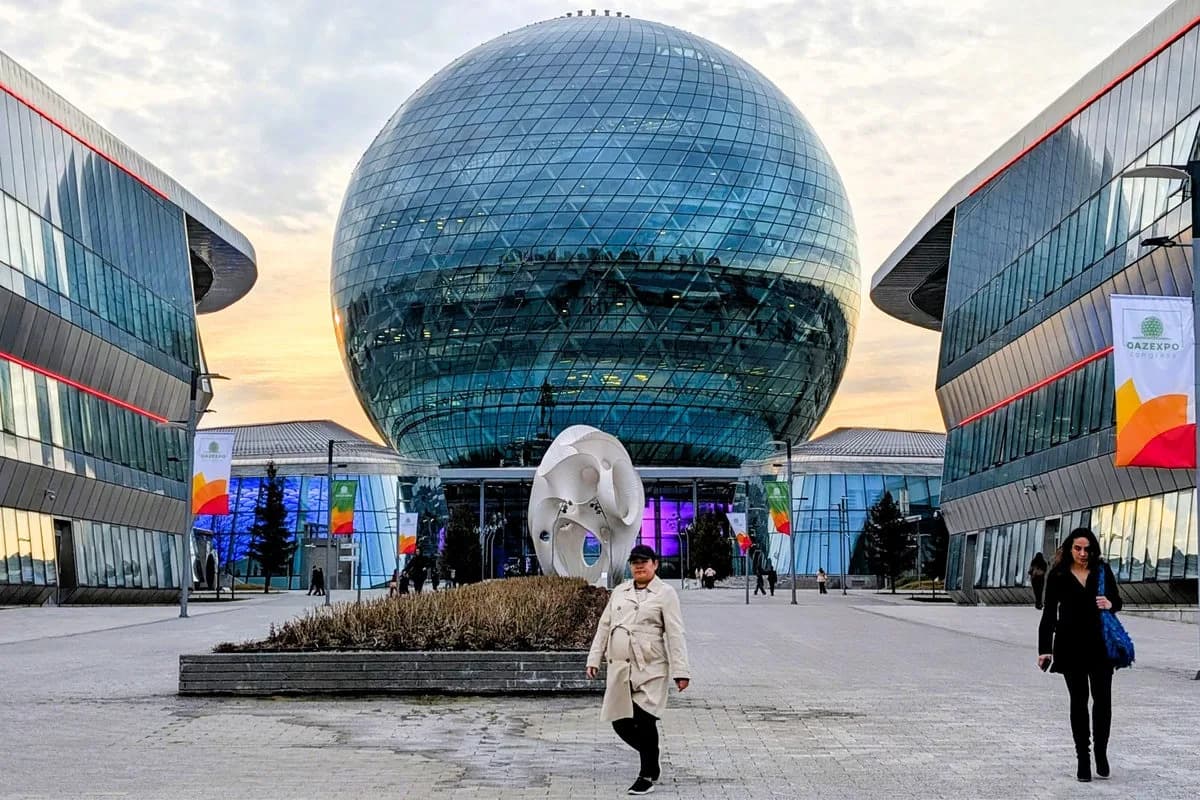
The Nur Alem building in Astana is at the centre of Kazakhstan's AI transformation (The Independent)
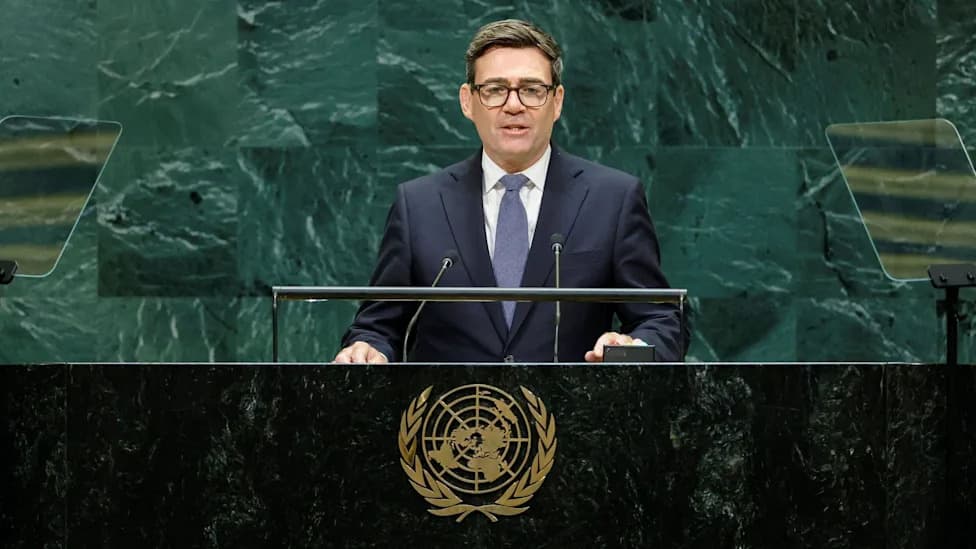
Zhaslan Madiyev, Kazakhstan's Minister of Artificial Intelligence and Deputy Prime Minister, has a strikingly candid wish: 'I hope one day I am replaced by AI.' Appointed less than a year ago, he is leading an ambitious national drive to weave artificial intelligence into education, agriculture, public services and — potentially — governance itself.
A National Push for Digital Transformation
Kazakhstan, long dependent on fossil fuels and raw commodities, is pursuing aggressive diversification tied to digitalisation. President Kassym-Jomart Tokayev has called AI adoption 'a matter of national survival', mentioning the term 31 times in his September 2025 State of the Nation address and declaring 2026 the 'Year of Digitalisation and Artificial Intelligence.' The government has passed a comprehensive AI law for the region and launched a National AI Platform to coordinate efforts.

Kazakhstan's Ministry of Artificial Intelligence and Digital Development in Astana (The Independent)
Public Services, Infrastructure and Rankings
The country already ranks 24th out of 193 in the UN's e-government development index and is among the global top 10 for online government services, with more than 90% of public services available online. Authorities emphasize partnerships with domestic companies and global tech groups to build an AI ecosystem at scale.
The 'Disco Ball' Centre
At the heart of the strategy is the International Centre for Artificial Intelligence in Astana — a perfectly spherical, disco ball–like building open to the public. The ground floor is designed as an interactive space for children and citizens, featuring an AI kids zone, AI cinema, AI museum and AI cafe. Upper levels form a pipeline: education programs, student and startup accelerators, corporate research labs and, on the eighth floor, an 'AI-driven government office' meant to pilot solutions into economic and public-sector use.
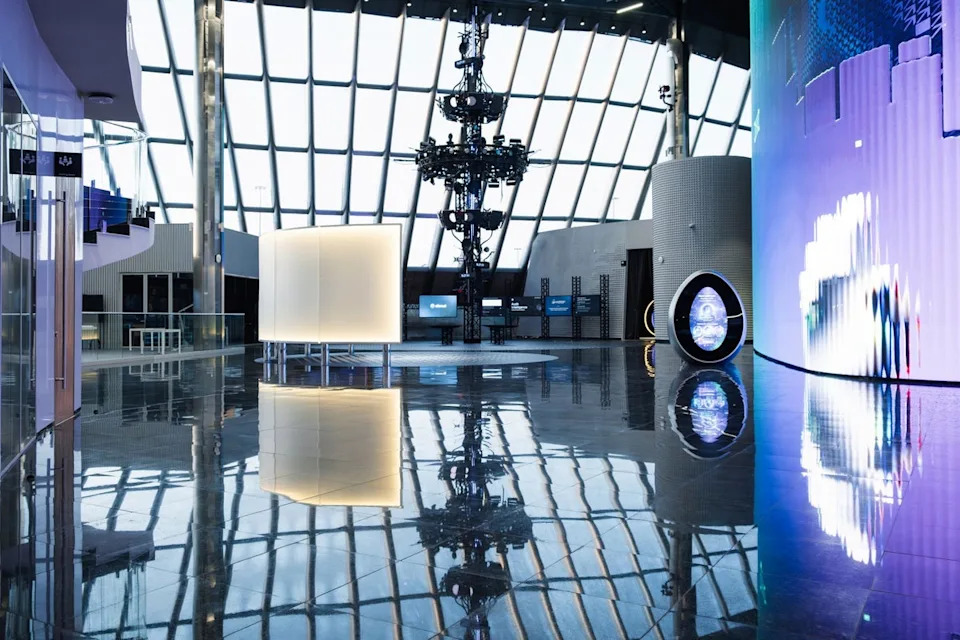
Inside Kazakhstan's International Center for Artificial Intelligence in Astana (Alem.ai)
Sovereign AI Hub and Supercomputing Ambitions
The government signed an agreement with Freedom Holding and Nvidia to develop a $2 billion sovereign AI hub, billed to deliver roughly 100 MW of computing capacity. Freedom Holding CEO Timur Turlov says securing power and infrastructure could position Kazakhstan as a major regional player in AI and potentially push it into higher ranks globally for supercomputing facilities.
Global Partners and Bold Claims
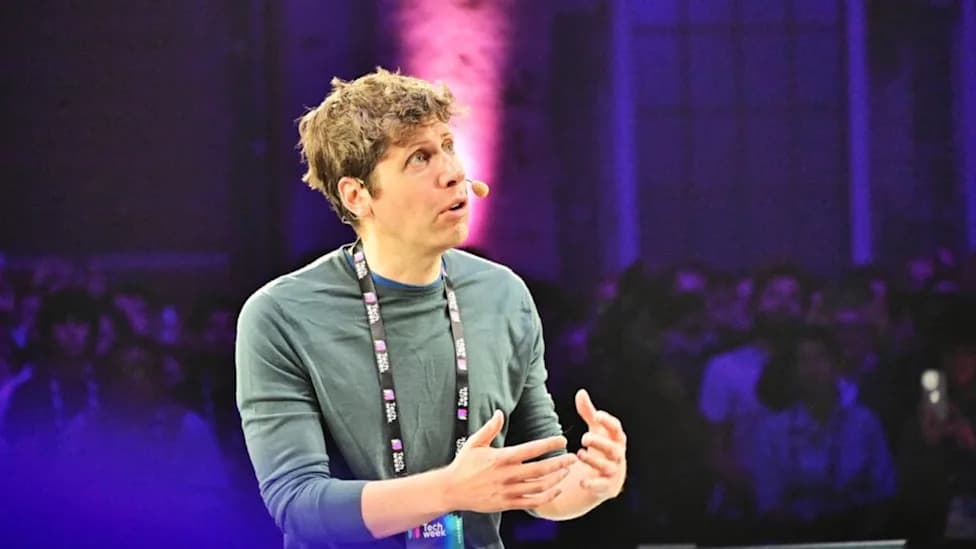
International firms have shown interest: OpenAI announced educational partnerships with Kazakhstan, citing it as one of the most 'AI ready' countries in the region. OpenAI CEO Sam Altman has publicly speculated that very advanced AI could arrive within a few years and quipped about the possibility of AI-run companies.
Cautions, Controversies and Early Experiments
Experts warn that corporate timelines for 'superintelligence' can distract from immediate harms such as automated discrimination, misinformation and governance risks. A coalition of researchers wrote an open letter cautioning against amplifying marketing claims that serve financial, not scientific, imperatives. Kazakhstan has taken permissive stances in cultural uses of AI — offering prizes to filmmakers and planning an AI film festival in Astana — and has already given an AI agent a seat on the board of its $88 billion sovereign wealth fund, illustrating how rapidly the country is experimenting with governance roles for agents.
International Context: In the same month Madiyev took office, Albania appointed an AI avatar named Diella as a ministerial figure — an example of how governments are experimenting with AI in public roles.
What Comes Next
Kazakhstan's approach blends public-facing education, infrastructure investment and regulatory initiatives to accelerate AI adoption nationwide. The outcome will depend on implementation: whether the country can secure reliable power and talent for its computing ambitions, navigate ethical and regulatory challenges, and ensure AI delivers inclusive economic benefits rather than amplifying existing inequalities.
Help us improve.