An experimental platform packages antibodies into nanoscale carriers that cross cell membranes to bind and remove mutant KRAS—the driver of most pancreatic cancers. In lab and mouse studies the approach selectively cleared mutant protein, slowed tumor growth, and shrank tumors with no obvious organ toxicity. The method could be adapted to other intracellular disease proteins, but human trials are needed to confirm safety and efficacy.
Antibodies Sneak Inside Cells to Remove Mutant KRAS, Shrinking Pancreatic Tumors in Mice

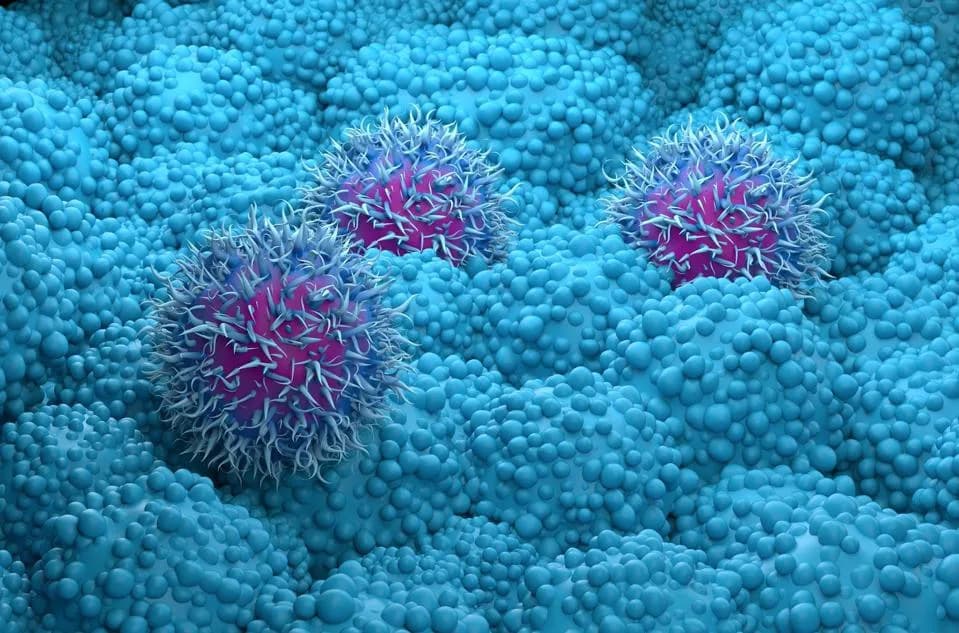
Pancreatic cancer is cancer that forms in the cells of the pancreas. 3d illustrationgetty
Pancreatic cancer is one of the deadliest cancers, largely because the protein that drives most cases sits deep inside cells where conventional drugs and therapeutic antibodies cannot reach. Researchers have tested an experimental strategy that packages antibodies into tiny carrier particles that cross the cell membrane, deliver the antibody inside the cell, and trigger removal of the mutant protein.
How the Approach Works
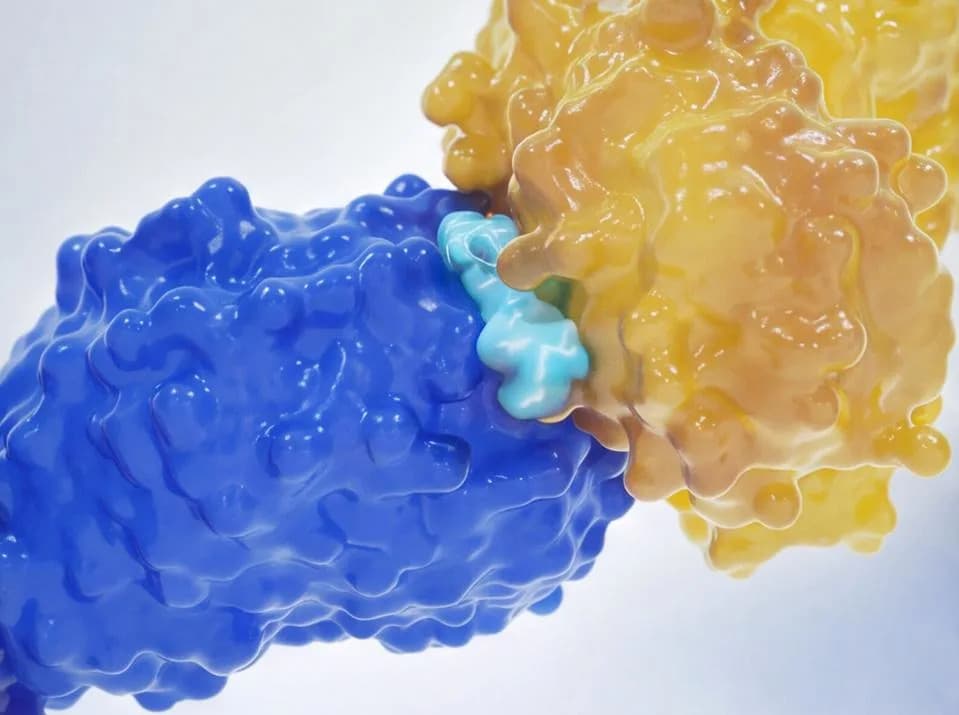
The platform encloses a selectively engineered antibody in a nanoscale carrier that can traverse the cell membrane. Once inside, the antibody binds a mutant form of KRAS—a gene that acts like an on/off switch for cell growth in more than 90% of pancreatic cancers—and marks the mutant protein for degradation.
Why Selectivity Matters
Healthy cells rely on the normal KRAS protein for essential functions, so an effective therapy must distinguish mutant KRAS from its normal counterpart. The antibody used in these studies was designed to preferentially bind the mutant form, sparing the healthy protein and reducing the risk of collateral damage to normal tissues.
Preclinical Results
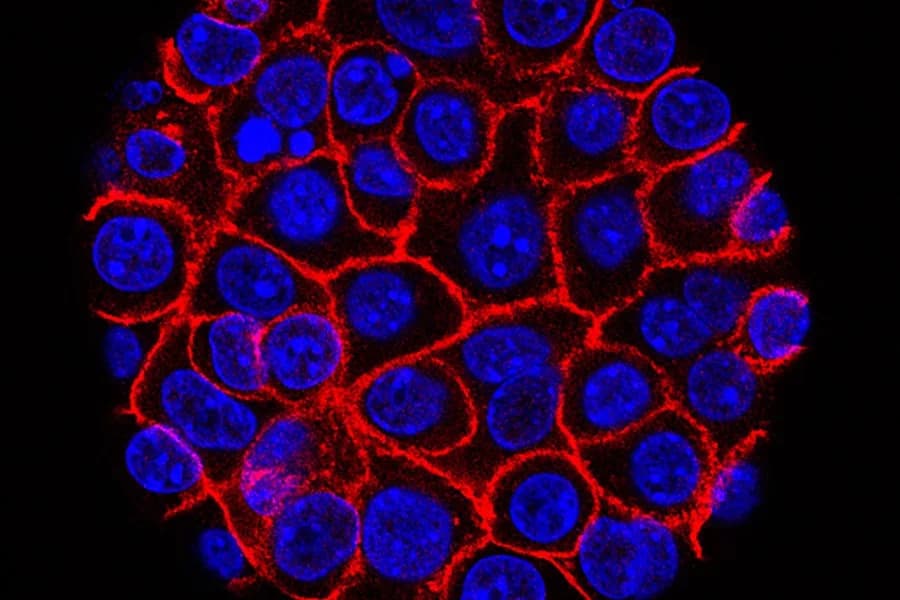
In cell experiments the treatment eliminated the mutant KRAS protein and selectively stopped growth of mutant cancer cells while leaving neighboring nonmutant cells largely unaffected. In mice implanted with human pancreatic tumors, repeated injections caused tumors to shrink significantly; in some animals tumors became nearly undetectable by the end of the study. Treated animals maintained stable body weight, routine blood tests remained within normal ranges, and major organs showed no obvious signs of damage.
How This Differs From Existing Strategies
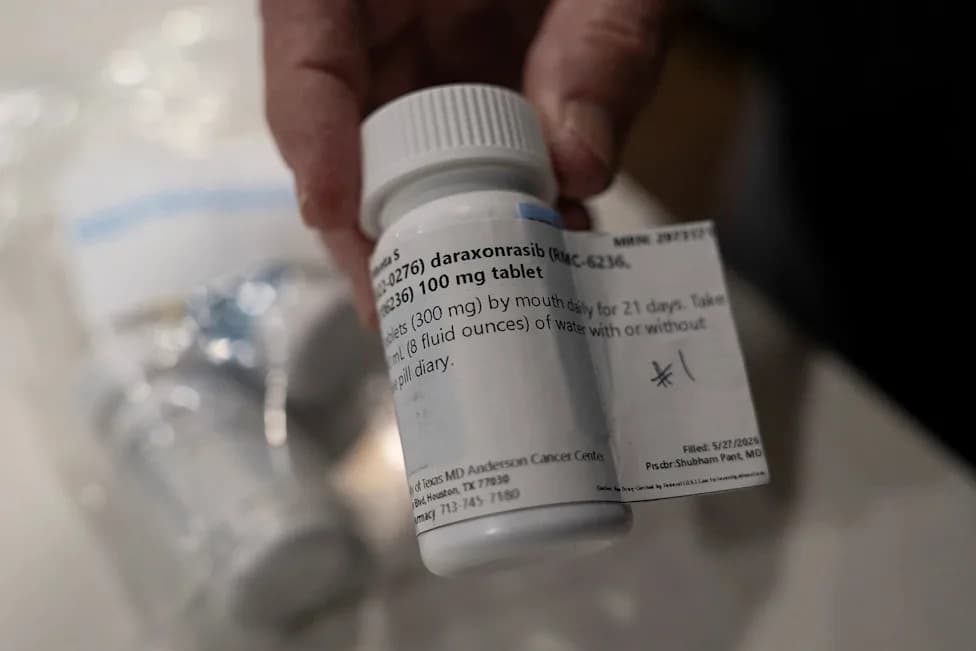
Some experimental drugs, such as daraxonrasib, work by binding mutant KRAS and blocking its signaling. This new approach takes a different route: it prompts the cell to remove the mutant protein entirely rather than simply inhibiting its activity. That distinction could help against KRAS variants that are difficult to inhibit and against tumors that develop resistance to blockade.
Broader Potential and Next Steps
The same delivery platform, when loaded with other antibodies, also reduced levels of a protein linked to a brain disease in early tests, suggesting the method could be adapted to other intracellular targets—from additional cancer drivers to proteins implicated in neurodegeneration. However, these results are limited to laboratory and mouse studies. Human clinical trials will be required to confirm safety, optimal dosing, delivery, and therapeutic benefit in people.
Bottom line: This preclinical work points to a promising new way to reach intracellular disease-causing proteins, but significant testing remains before it could become a viable treatment for patients.
Original reporting based on a Forbes article.
Help us improve.