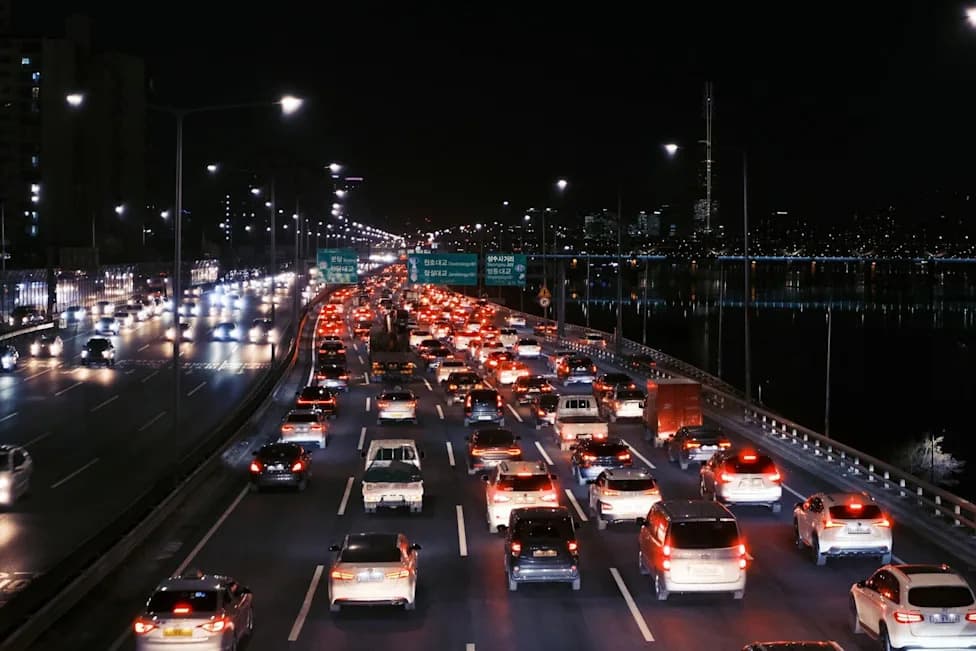
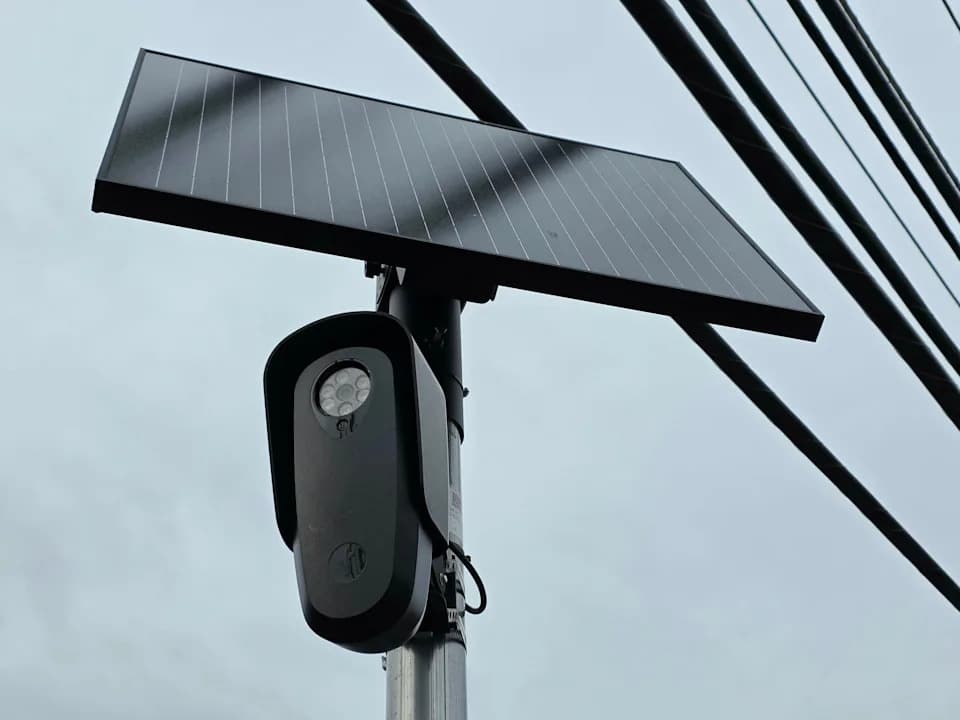
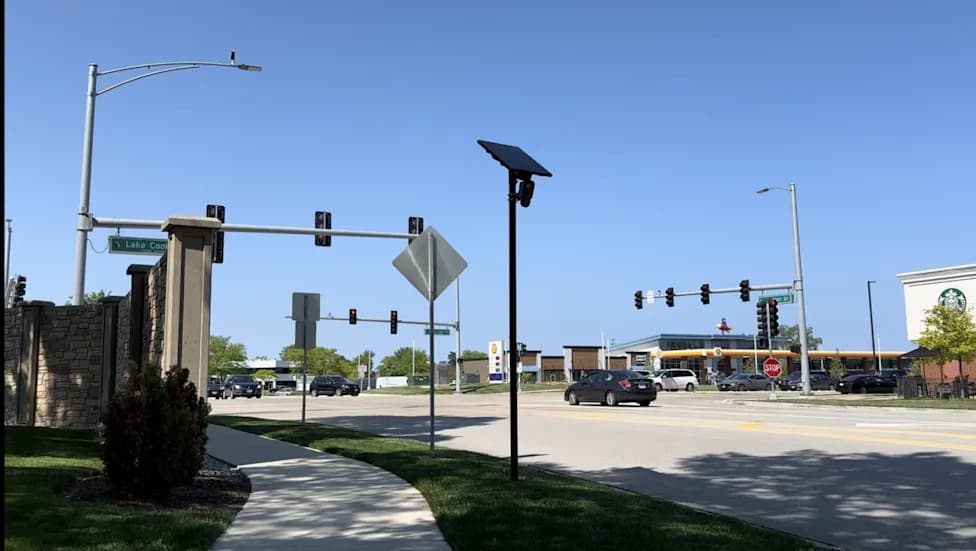
The proposed class-action accuses Motorola Solutions of violating California’s Automated License Plate Recognition Privacy Act by collecting, retaining and sharing ALPR data without adequate notice or safeguards. Plaintiffs allege records included plates, vehicle make/model, occupant images, GPS coordinates and timestamps, and that data was shared with federal agencies including CBP, IRS Criminal Investigation and the U.S. Secret Service. The filing cites a 2024 cybersecurity advisory and an early-2025 report of exposed real-time feeds as evidence of weak protections. The suit seeks to represent Californians whose vehicle information was captured by Motorola-operated ALPR systems.
Motorola Sued in California Over Alleged ALPR Privacy Breaches, Federal Data Sharing and Security Gaps
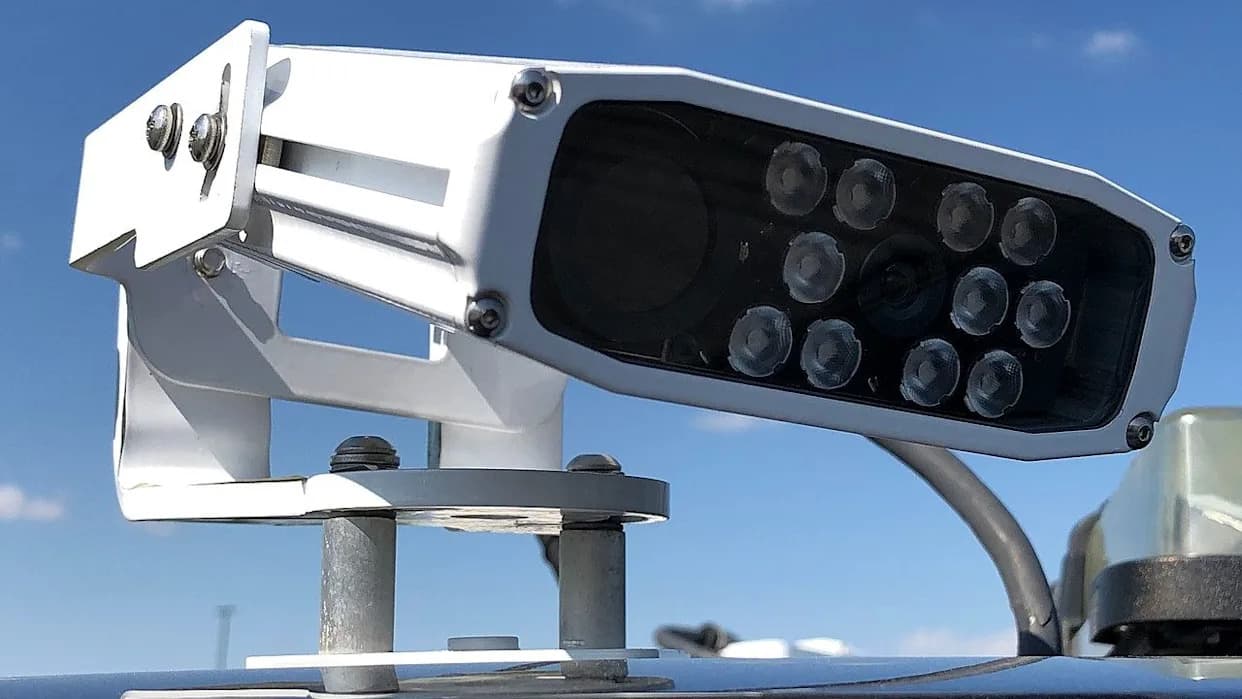
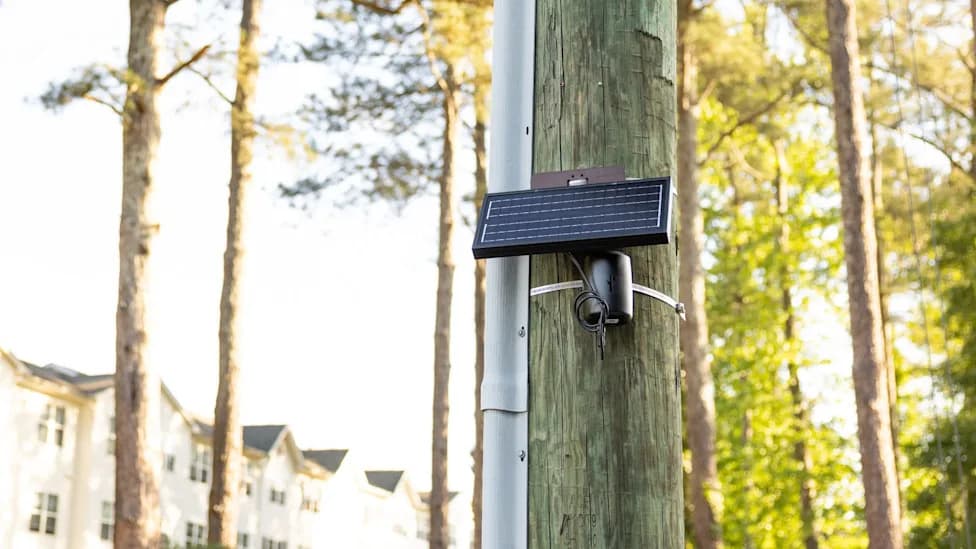
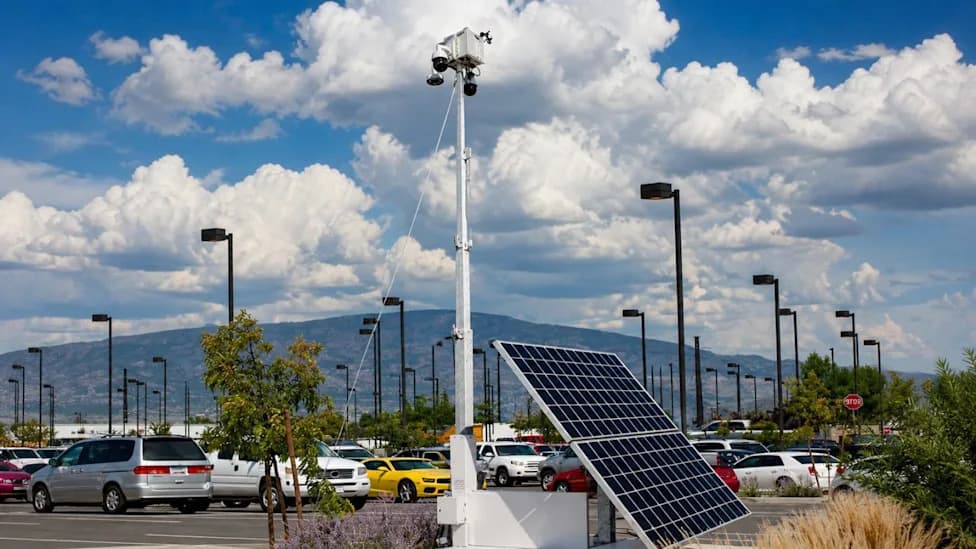
Image Credit: Mbrickn - Own work, CC BY 4.0, Wikimedia.
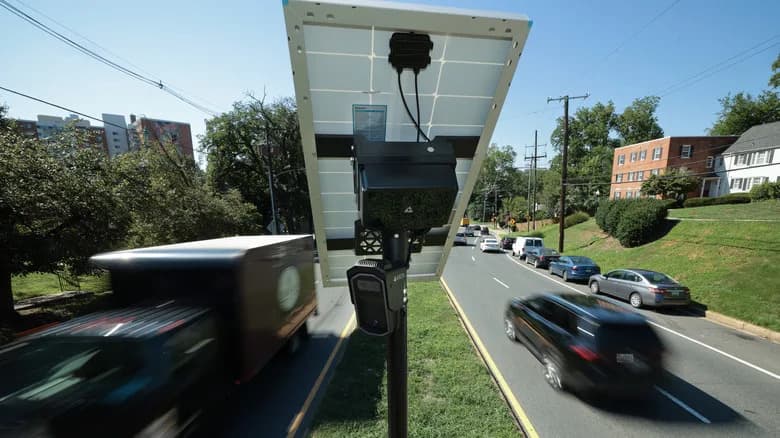
Questions about vehicle privacy are intensifying as technology enables broader collection and sharing of location and visual data. A proposed class-action lawsuit accuses Motorola Solutions of mishandling information gathered by its automatic license plate reader (ALPR) network in California, alleging both unlawful disclosures and inadequate security safeguards.
What the Complaint Alleges
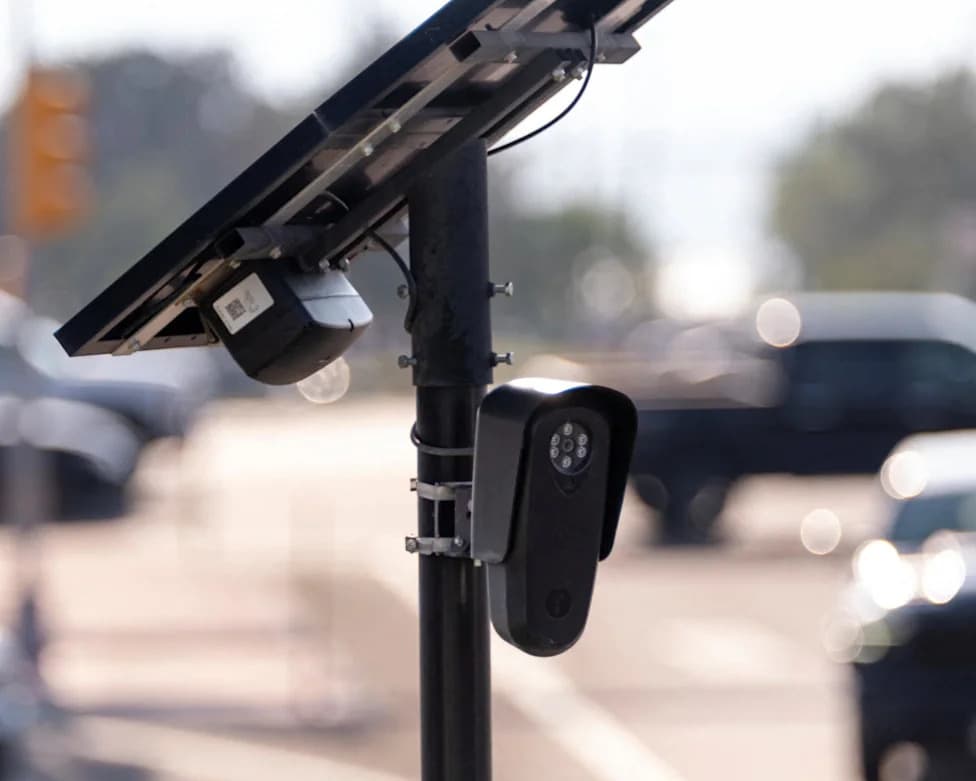
The filing claims Motorola collected, stored and disclosed detailed vehicle-related data without meeting the legal protections required under California law. Plaintiffs say the ALPR system recorded not only license plate numbers but also vehicle make and model, images of occupants, precise GPS coordinates and timestamps that can be used to reconstruct vehicle movements.
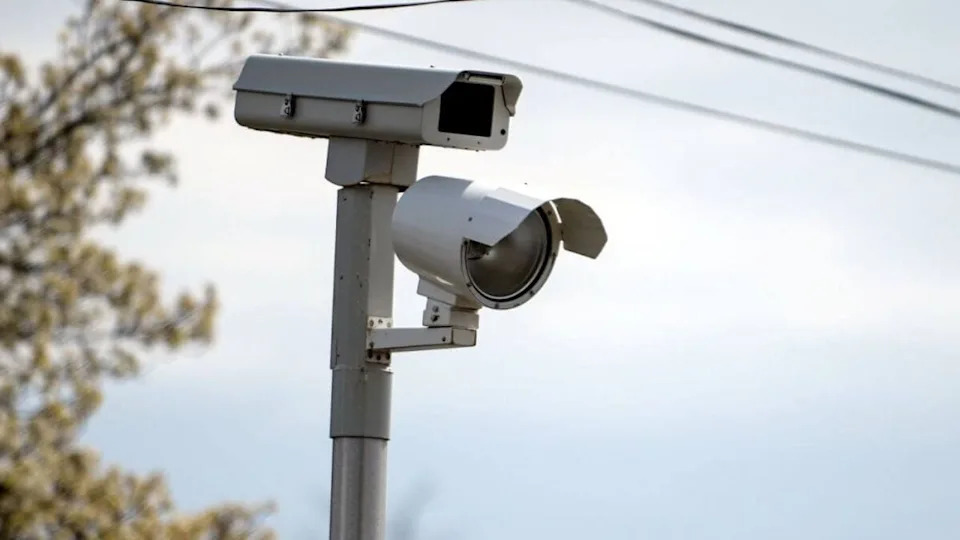
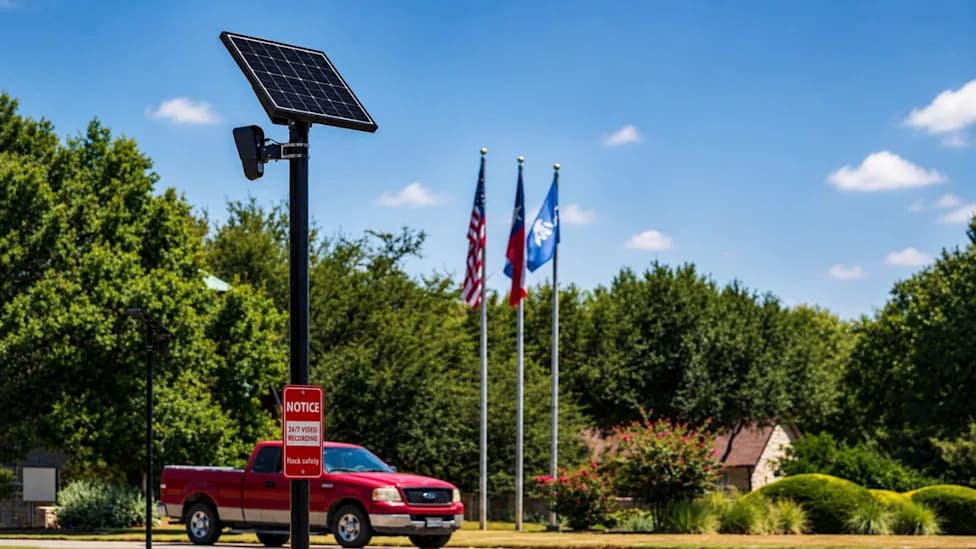
File Photo for illustration purposes. Photo Courtesy: Autorepublika.
Data Sharing Claims
According to the complaint, some ALPR records were shared with federal agencies and entities outside California. The suit cites reports that the University of California, Merced Police Department provided ALPR data to multiple federal agencies, allegedly including U.S. Customs and Border Protection (CBP), IRS Criminal Investigation and the U.S. Secret Service. Plaintiffs contend drivers were not informed that their data might be disclosed to federal or out-of-state recipients, which they say violates the state’s Automated License Plate Recognition Privacy Act.
Security and Exposure Allegations
The complaint also points to reported security weaknesses. It references a 2024 cybersecurity advisory that identified vulnerabilities in Motorola’s systems that potentially could permit unauthorized access to stored records. In addition, plaintiffs describe a 2025 researcher report claiming that some ALPR real-time feeds were viewable on the open internet without login credentials. The lawsuit argues these incidents demonstrate insufficient safeguards for highly sensitive location and identifying data.
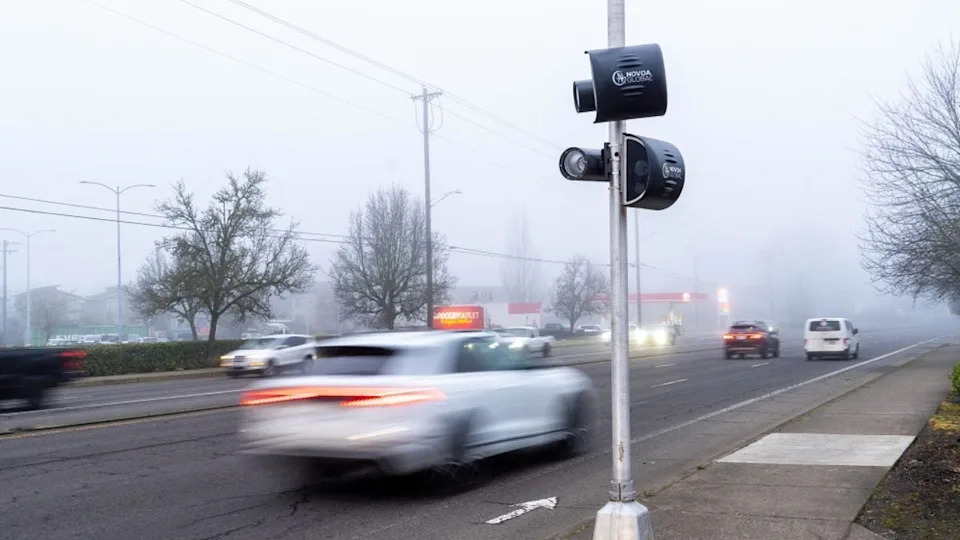
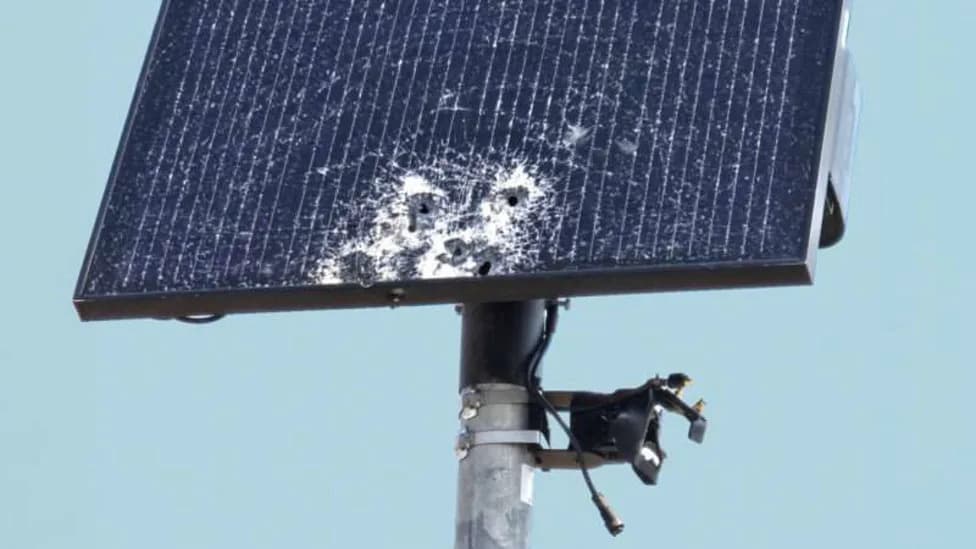
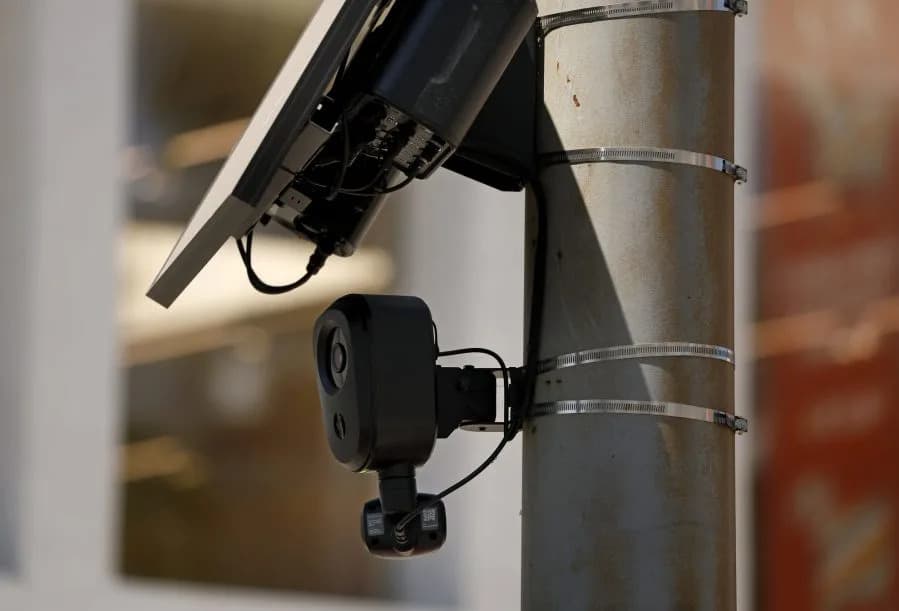
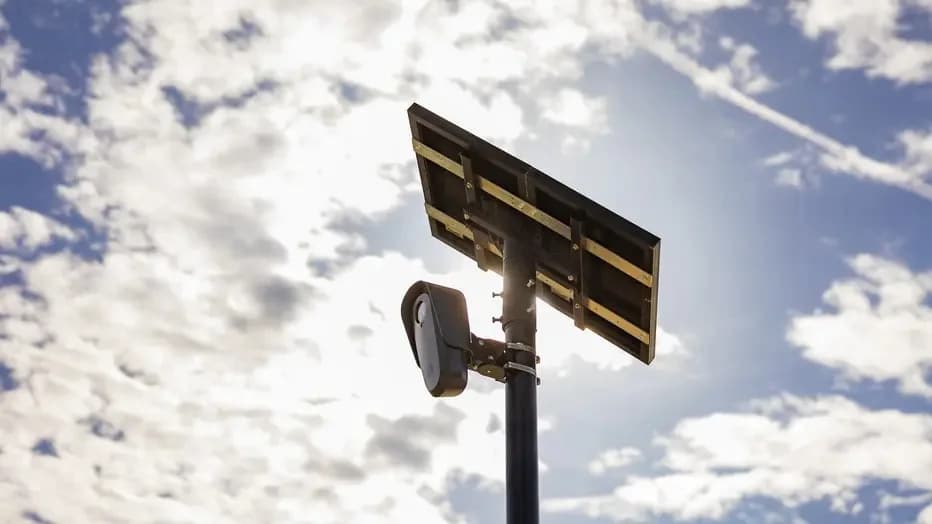
File Photo for illustration purposes. Photo Courtesy: Autorepublika.
Technology and Analysis
Plaintiffs further allege that Motorola supplemented ALPR records with artificial intelligence tools capable of searching years of archived data to detect patterns and flag vehicles of interest. They say the system operated continuously and indiscriminately, creating detailed location histories tied to vehicles over time.
Legal Context: The complaint invokes California’s Automated License Plate Recognition Privacy Act, which imposes transparency, retention and access restrictions on operators of ALPR systems. The suit seeks to represent individuals whose plate numbers or other identifying vehicle information were captured by Motorola-operated ALPR systems in California. As with any civil case, the allegations are unproven until adjudicated in court.
Debate And Broader Implications
Supporters of ALPR technology say it is a valuable tool for law enforcement—helping locate stolen cars, find suspects and support criminal investigations. Critics warn that large-scale, persistent vehicle tracking can generate intrusive movement records without drivers’ knowledge or consent, and that data-sharing or security lapses can extend those risks beyond the place of collection.
Whether or not the court ultimately finds liability, the lawsuit highlights how drivers—including those in older, non-connected vehicles—can leave digital traces as camera networks, surveillance technologies and interagency data-sharing grow more widespread on public roads. The case will be one to watch for privacy, public-safety and technology-policy implications.
Note: The complaint names specific agencies and incidents as reported in the filing; the allegations remain subject to proof in litigation.
Help us improve.