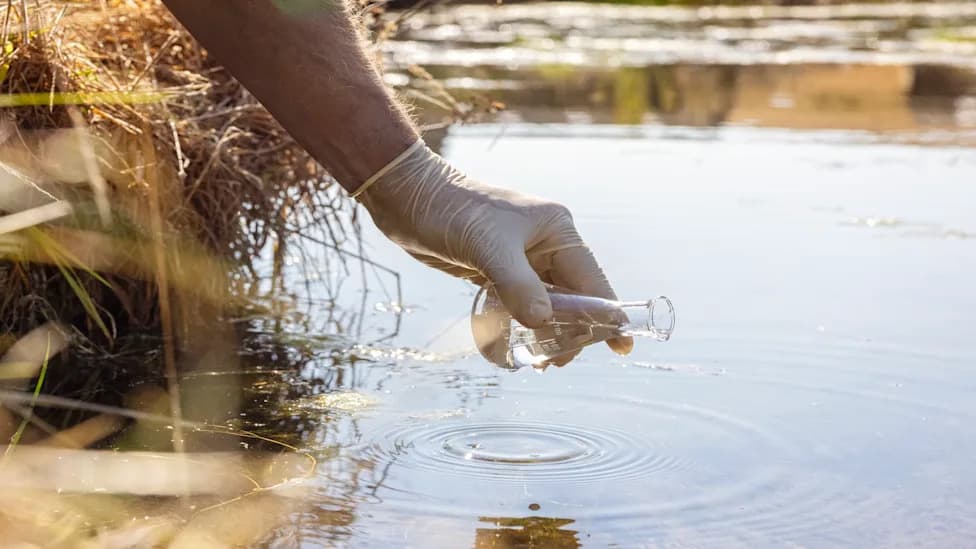
The Great Lakes—holding about one-fifth of the world’s surface fresh water and serving over 40 million people—are experiencing measurable, accelerating warming. Record-low ice cover (4.3% in 2024 vs. ~55% historically), earlier stratification and warming at depth lengthen warm seasons and increase harmful algal blooms and hypoxic "dead zones." These changes are shifting fish phenology, stressing cold-water species, favoring invasive species, and posing economic and ecological risks for fisheries and communities.
How Rising Water Temperatures Are Reshaping the Great Lakes Ecosystem
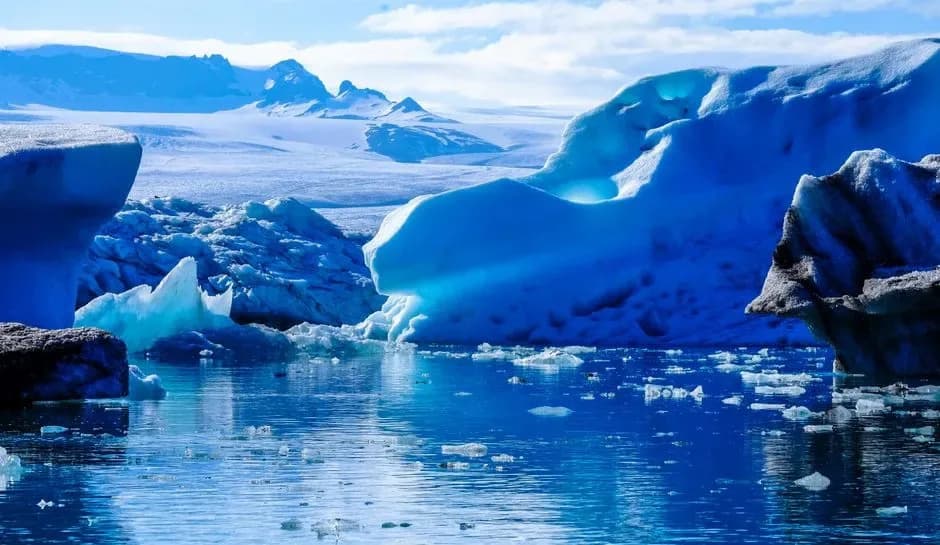
Image credits: Pexels
The Great Lakes contain roughly one-fifth of the world’s surface fresh water and provide drinking supplies, transport, habitat and recreation for more than 40 million people across the United States and Canada. For generations the lakes acted as a comparatively stable biological engine—cycling nutrients, sheltering hundreds of species and moderating regional climate. That stability is now under clear strain as air and water temperatures climb, ice retreats and seasonal biological rhythms shift in observable and accelerating ways.
A Region That Has Already Warmed Significantly (Image Credits: Unsplash)
Measured Warming and Near-Term Projections
Regional warming is substantial and accelerating. The Great Lakes Integrated Sciences and Assessments program reports that annual average air temperatures across the U.S. Great Lakes region have risen nearly 3°F since 1951. Monitoring by NOAA’s Great Lakes Environmental Research Laboratory and Canadian assessments indicate similar trends for lake waters: Canada’s Changing Climate Report projects water temperatures could increase by as much as 6.7°F (about 3.7°C) by the end of this century, and some models show comparable rises through 2071–2100.
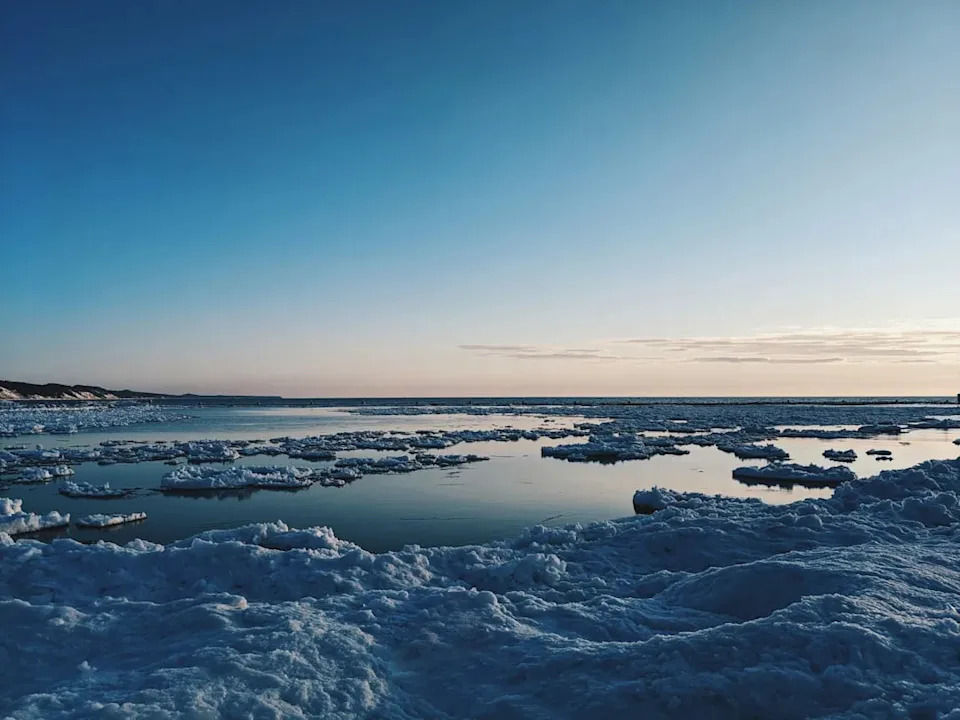
Record-Low Ice Cover and What It Means (Image Credits: Unsplash)
Ice Loss, Earlier Stratification and Deep-Water Change
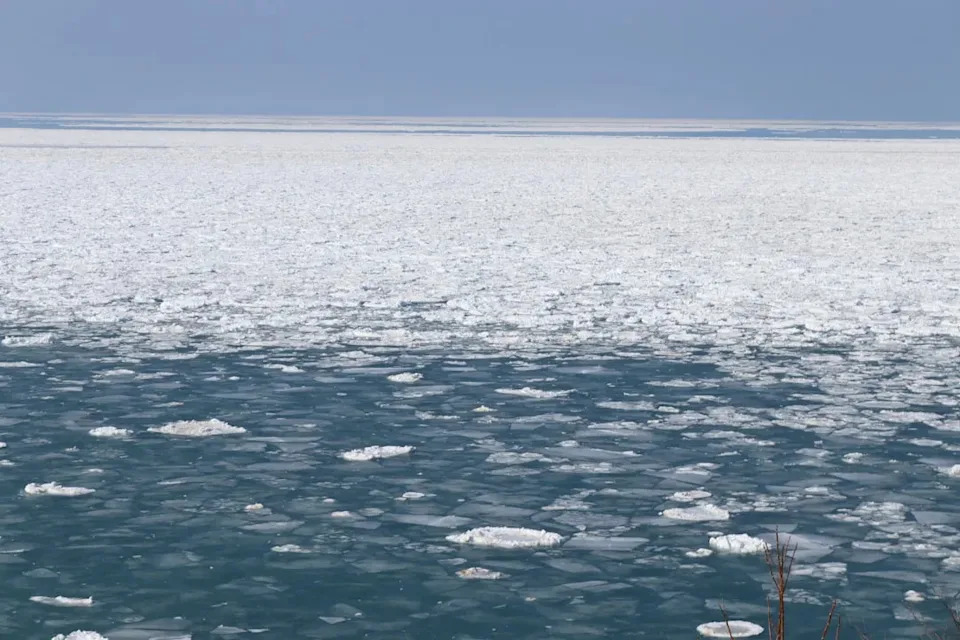
Ice cover is collapsing: the winter of 2024 recorded a record-low average of just 4.3% ice cover across the lakes versus a long-term average near 55%. Ice loss matters beyond scenery—reduced ice increases shoreline erosion, harms tourism and fisheries, and removes a seasonal buffer that normally slows spring surface warming. With open water arriving earlier, thermal stratification sets up sooner and lasts longer. Stratification separates warm surface layers from cooler deep water, limiting oxygen mixing and increasing the risk of low-oxygen "dead zones."
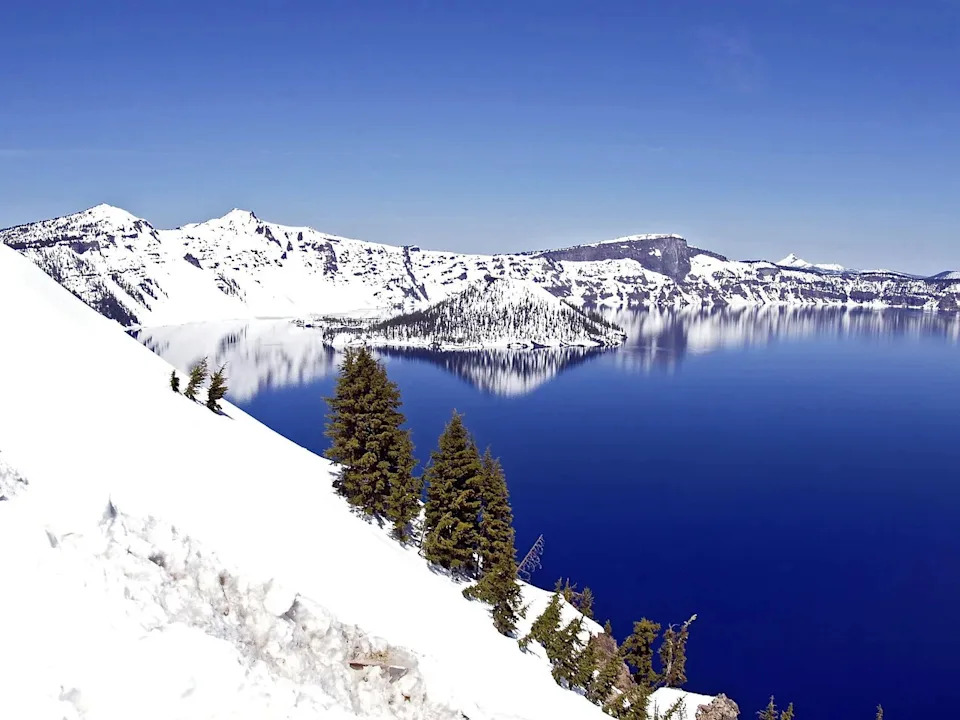
Deeper Waters Are Not Being Spared (Image Credits: Pixabay)
Deep-water changes are equally troubling. New analyses of Lake Michigan and other basins show warming at depth, weakened winter cooling, and altered timing of fall overturn. Paradoxically, the fastest temperature increases are appearing in deeper basins, meaning historically reliable cold-water refuges are degrading faster than expected.
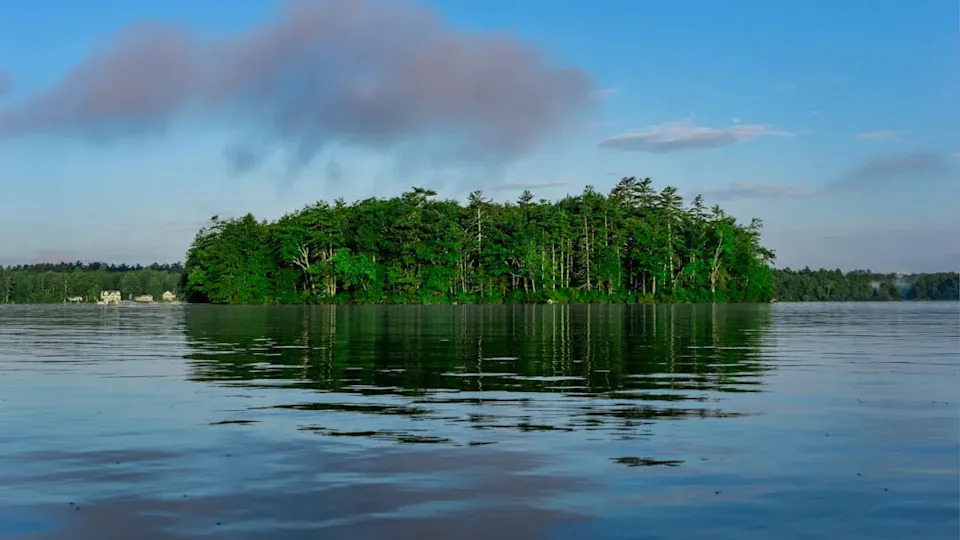
Thermal Stratification and the Growing Threat of Dead Zones (Image Credits: Unsplash)
Algal Blooms, Nutrients and Hypoxia
Warmer water, prolonged stratification and increased nutrient runoff are combining to expand harmful algal blooms and hypoxic zones. Blooms that sink and decompose consume dissolved oxygen, creating dead zones that can trigger fish kills and eliminate habitat for cold-water species. The 2024 Lake Erie bloom was the earliest on record and peaked at roughly 550 square miles—an indicator of how warming can increase both the frequency and scale of blooms. Researchers report that nearshore areas of historically cold lakes, including parts of Lake Superior, are now experiencing bloom activity.
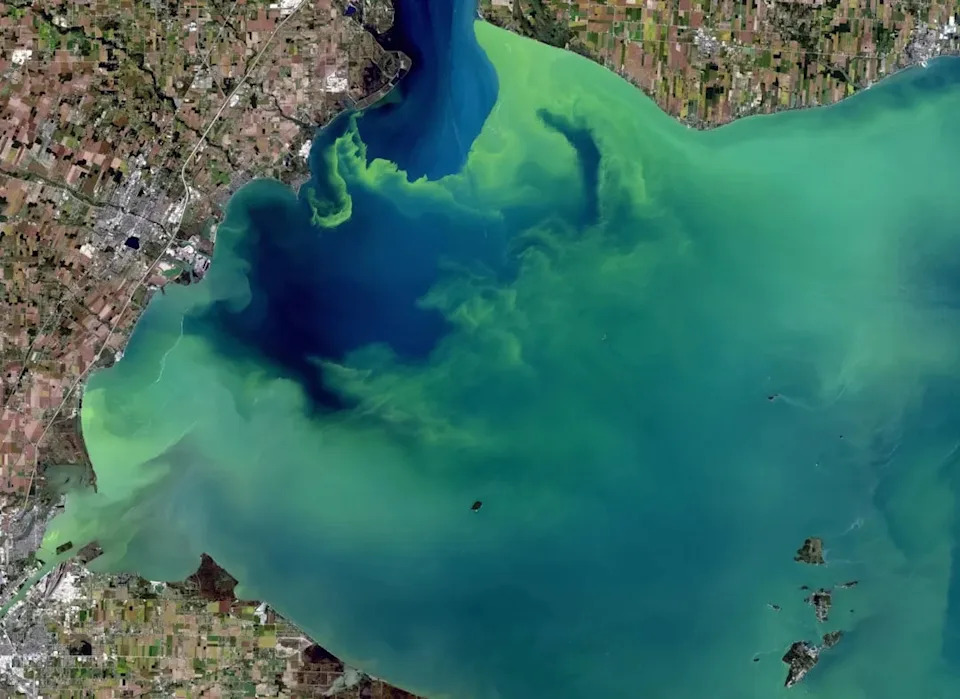
Harmful Algal Blooms Are Getting Worse and Starting Earlier (Image Credits: Unsplash)
Laboratory and field studies show Microcystis, a commonly dominant and potentially toxic cyanobacterium, produces more toxins at higher water temperatures and in nutrient-rich conditions. More frequent heavy rains also flush nutrients into the lakes, creating recurring conditions that favor larger and earlier blooms.
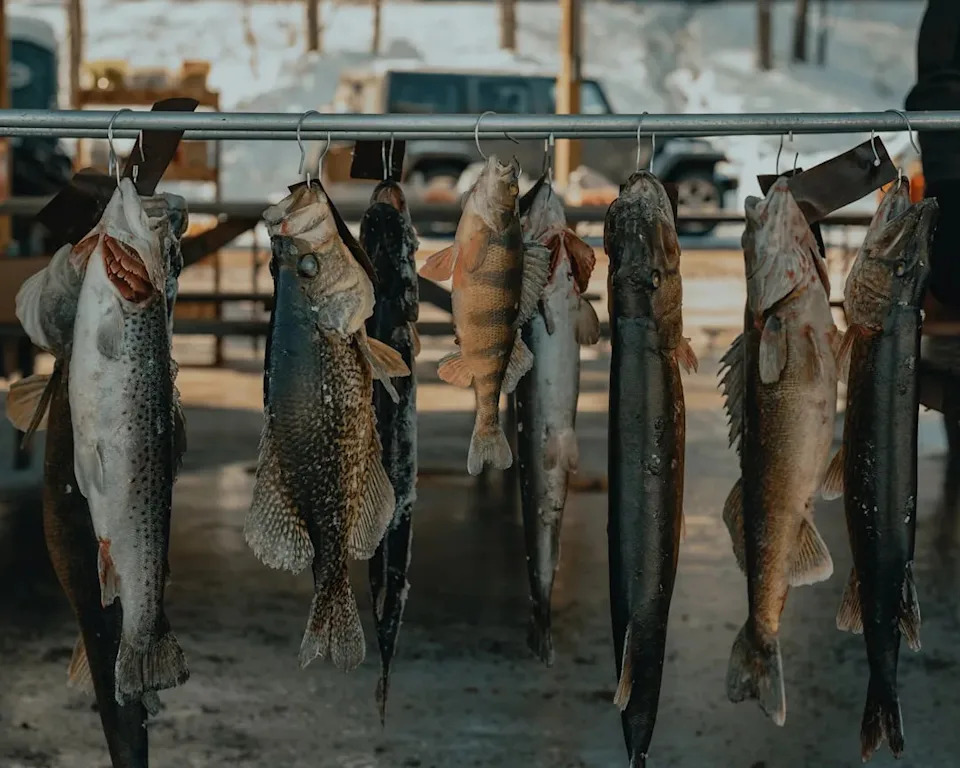
Cold-Water Fish Species Are Under Serious Pressure (Image Credits: Unsplash)
Impacts on Fish, Phenology and Fisheries
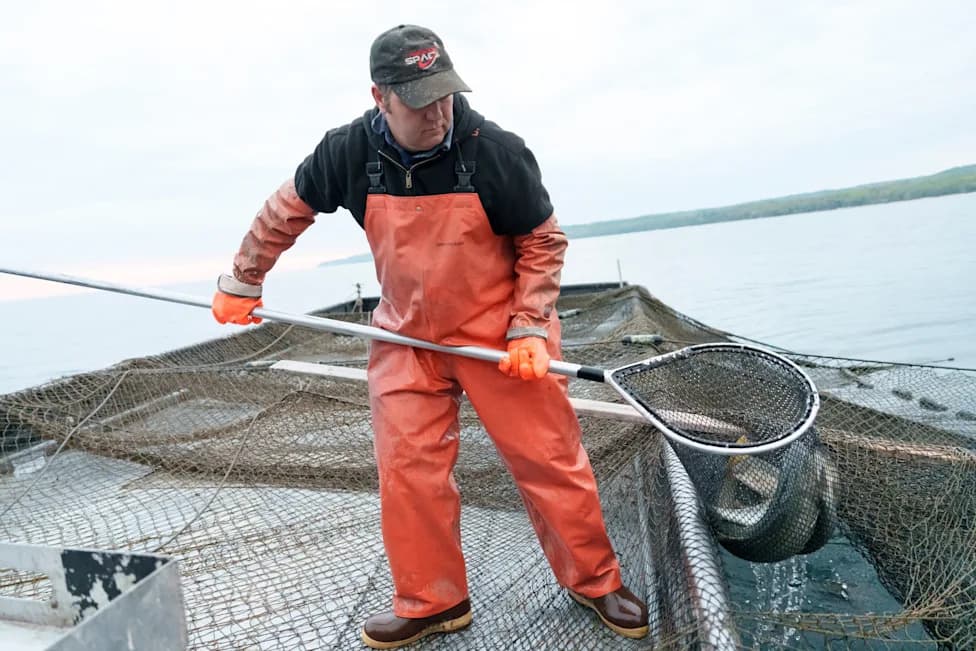
Rising air and water temperatures are affecting cool- and cold-water fishes central to regional fisheries—yellow perch, walleye, lake trout and lake whitefish. Projected surface warming of several degrees Celsius by late-century risks disrupting metabolism, growth and recruitment for these ectothermic species. Research on yellow perch larvae, for example, found elevated rearing temperatures impair swimming performance and alter metabolism, raising concerns about future recruitment success.
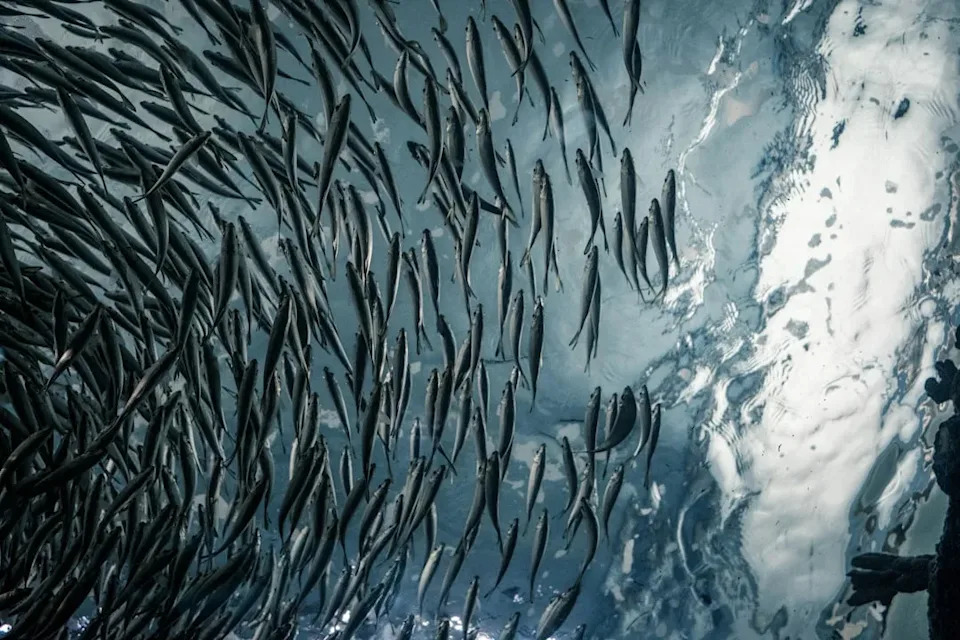
Fish Migration Timing Is Shifting (Image Credits: Unsplash)
Phenological changes are already documented. A 27-year dataset (1997–2023) from a Lake Ontario coastal wetland showed mean summer water temperatures rose by over 1°C, and researchers documented earlier arrival dates and shorter presence durations for 16 tracked fish species—evidence of a coordinated, systemic response to warming rather than isolated population fluctuations.
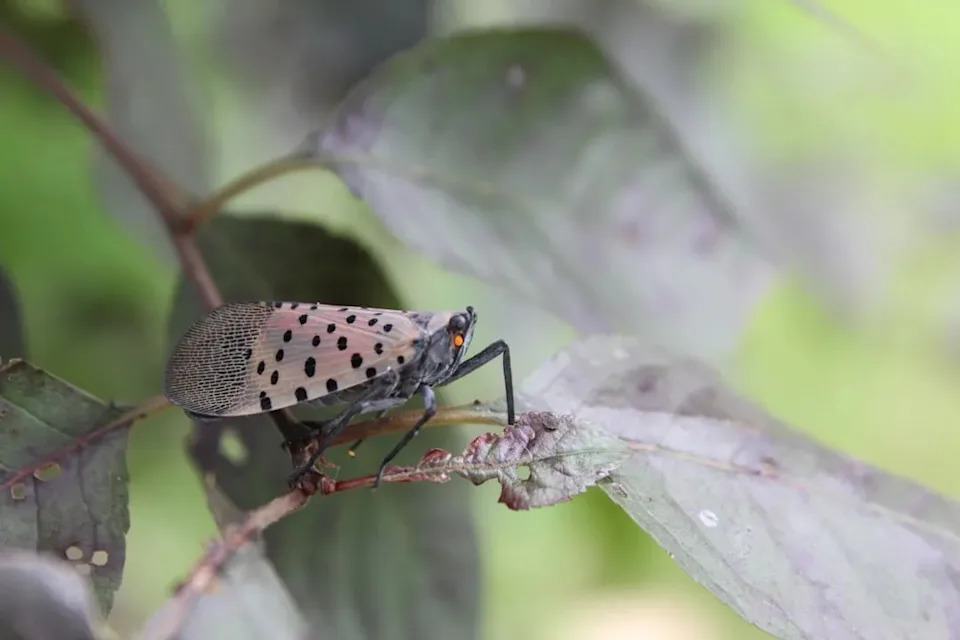
Invasive Species Are Finding a More Welcoming Environment (Image Credits: Unsplash)
Invasives, Feedbacks and Management Challenges
Warmer winters lower biological barriers that once limited the spread of invasive species. Non-native organisms such as alewife and zebra mussels have already reshaped food webs; temperate species like white bass are moving northward, and sea lamprey appear to gain strength in longer growing seasons, increasing their destructive impact on host fish. These shifts compound direct thermal stresses on native species and complicate control efforts.

Whitefish Reproduction Is Caught in a Difficult Position (Image Credits: Flickr)
There is also the risk of climate-driven volatility—more extreme heat waves and cold snaps—making adaptation harder for species tuned to historically stable seasonal rhythms. Scientists increasingly use AI and advanced analytics to forecast blooms, model ice and water levels, and guide management. Those tools are most effective when paired with sustained monitoring and coordinated policy across the eight U.S. states and two Canadian provinces that share the watershed.
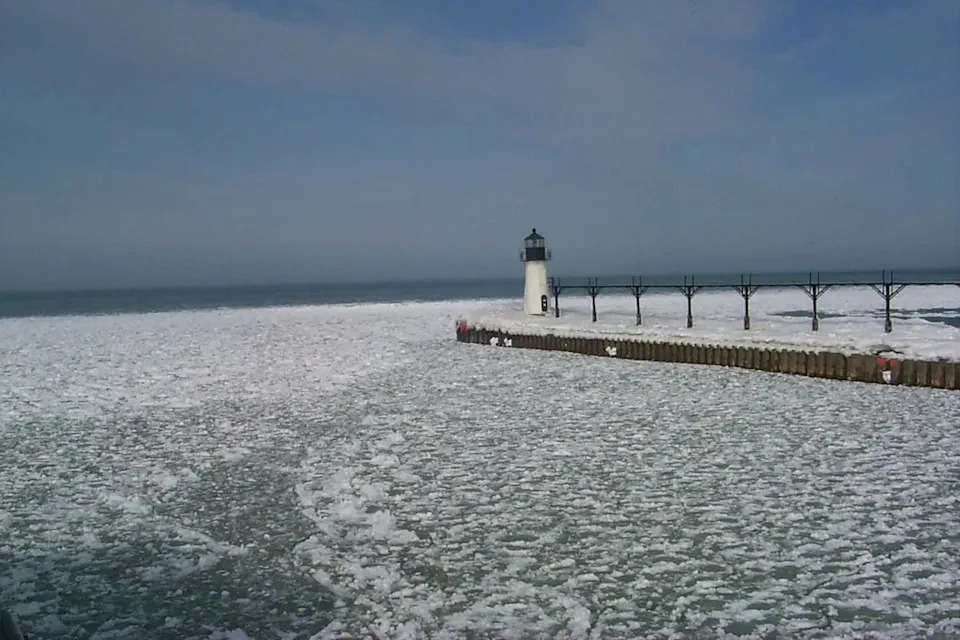
The Road Ahead: Monitoring, Adaptation, and What’s at Stake (NOAA Great Lakes Environmental Research Laboratory, Flickr,CC BY-SA 2.0)
Why This Matters
The Great Lakes interact with the atmosphere and can amplify warming through feedbacks: less ice leads to faster surface warming, stronger stratification and reduced oxygen transport to deep waters. The ecological consequences ripple outward to fisheries, local economies and regional climate moderation. While the window to limit damage and adapt is narrowing, timely, coordinated action can still reduce impacts and protect this critical freshwater resource.
Note: This article was produced with AI assistance and reviewed by a human editor.
Help us improve.