Scientists warn that warming temperatures, extreme heat events and erratic rainfall are already reducing yields for major staples and will increasingly stress both field crops and specialty produce. Corn, rice, wheat, soy and potatoes face growing risks, while specialty crops such as fruits, nuts, wine grapes, coffee and cocoa are especially vulnerable because they require precise conditions and long‑term investments. Experts stress urgent adaptation—tolerant varieties, smarter irrigation, altered planting and stronger risk management—to limit future losses and rising costs.
These Staple and Specialty Crops Could Become Much Harder to Grow as the Planet Warms
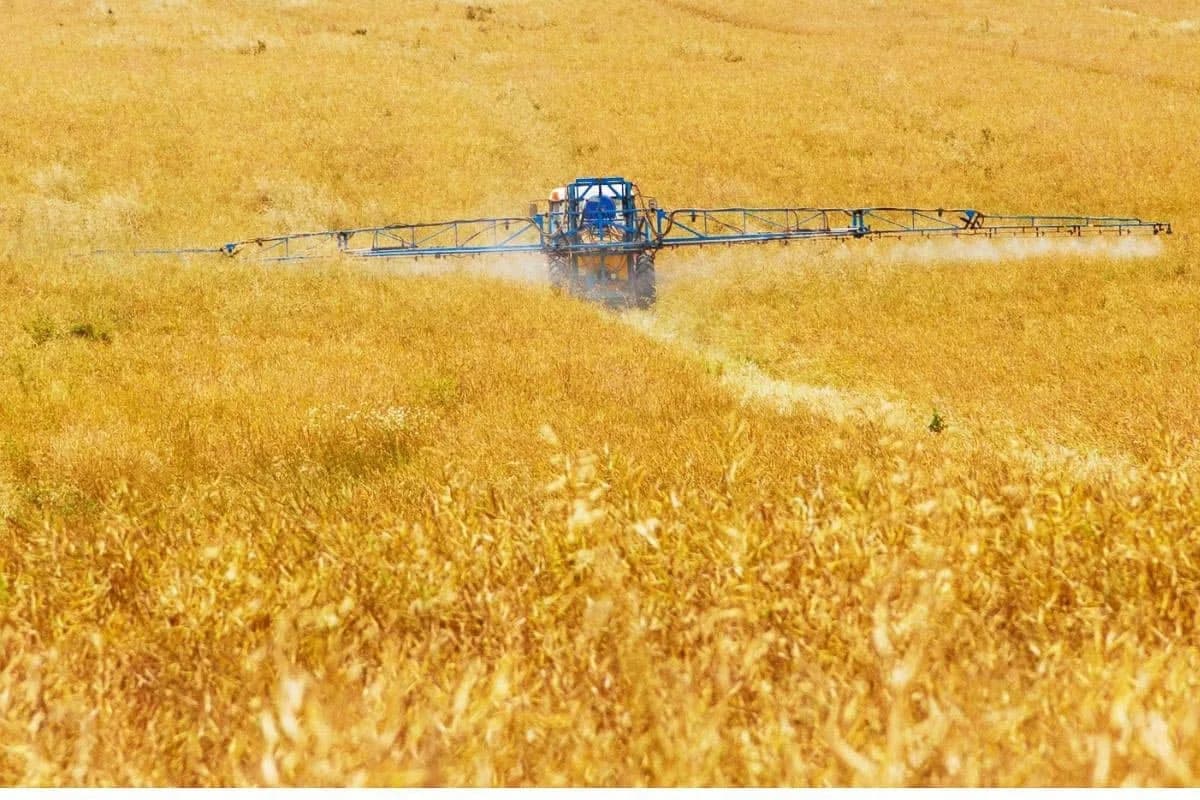
harvesting wheat.
Not all crops face the same level of risk from a warming climate. Scientists say the most vulnerable crops are those that require narrow temperature windows, specific water conditions or precise seasonal timing—conditions that are shifting as global temperatures rise. Multiple datasets and reports, including work from the IPCC, NASA, Scientific Data and national agencies, show that rising heat, erratic rainfall and more frequent extremes are already reducing yields in many regions.
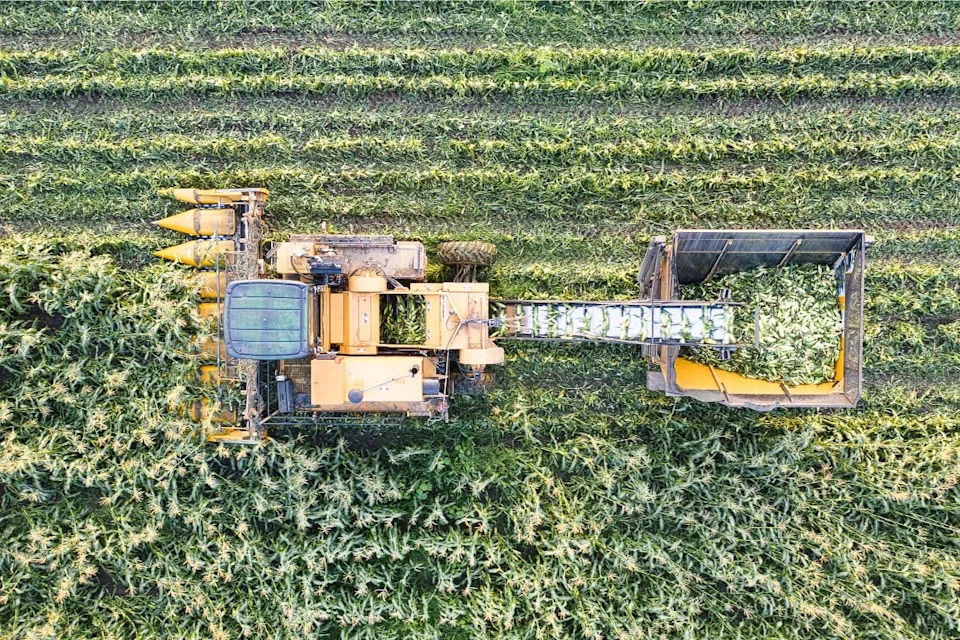
Photo credit: Tom Fisk via Canva.
Which Crops Are Most Vulnerable?
Corn (Maize)
Corn is widely flagged as a top concern. Large climate‑agriculture models indicate that under high greenhouse gas emissions global corn yields could decline substantially—one widely cited modeling study projects declines of roughly 24% by the end of the century, with decreases observable as soon as the 2030s. Hotter temperatures and changing rainfall patterns make some current corn regions, especially in the tropics and warmer mid‑latitudes, less suitable over time. U.S. analyses show yield growth in key corn states may slow or reverse by 2030.
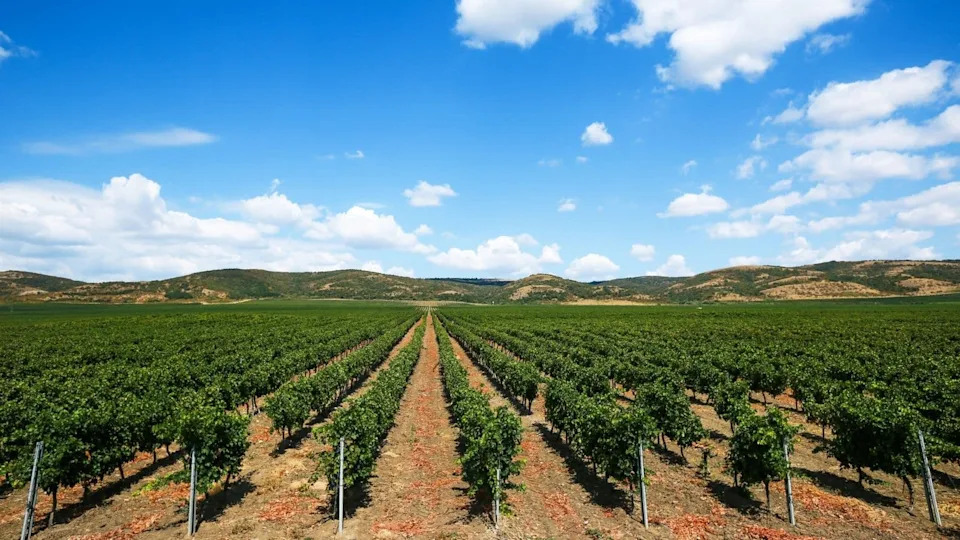
gerisima via 123RF
Wheat
Wheat shows a more mixed response. In some cooler regions modest warming may lengthen the growing season and raise yields, but extreme heat—particularly during sensitive growth stages—can sharply reduce production. Reviews estimate wheat yields could fall by about 6% for every 1°C of warming if other factors remain unchanged. Global meta‑analyses and IPCC summaries report net negative impacts in many regions when warming intensifies.
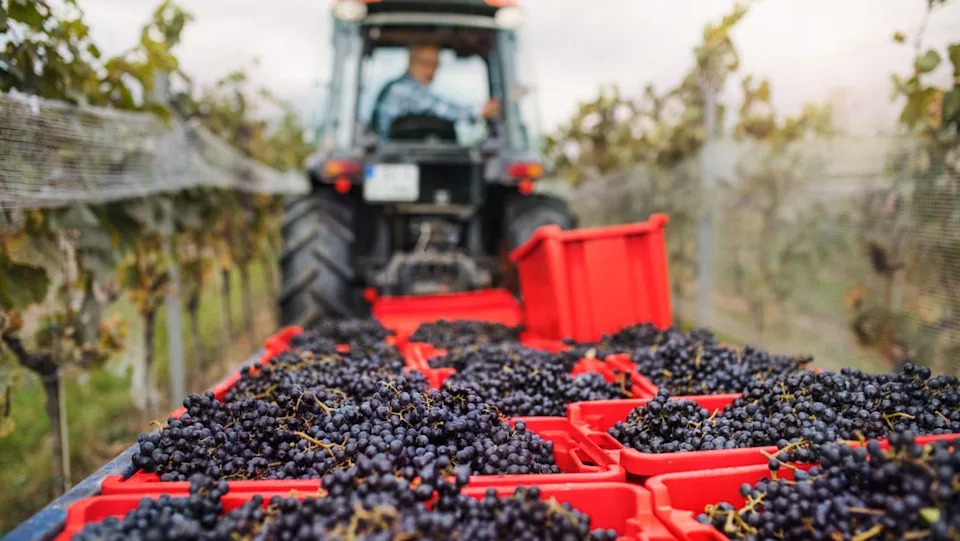
Image Credit: Ground Picture via Shutterstock.
Rice
Rice, the staple for billions, is already experiencing declines in several regions due to higher temperatures and extreme events. IPCC and large dataset projections indicate further yield losses for rice as warming continues, with especially serious consequences in vulnerable parts of Africa and Asia.
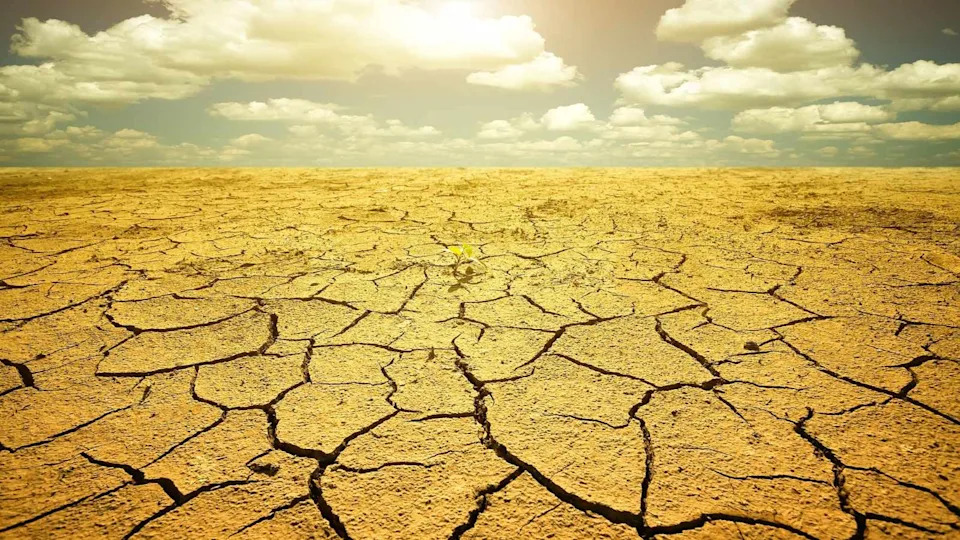
Image Credit: ivandzyuba via 123RF
Soybean and Other Row Crops
Soybean yields tend to decline with rising temperature and water stress in multi‑model studies, though effects vary regionally. Other row crops such as potatoes are also sensitive to heat and drought, raising concerns about sustaining current production in present growing areas as climate stresses increase.
Specialty Crops: Fruits, Nuts, Grapes, Coffee, Cocoa
Specialty crops are generally more sensitive because they require precise conditions and often represent long‑term investments. Perennial crops—grapevines, nut trees and orchards—can’t be moved quickly and depend on factors such as winter chill, which is declining in many zones. Tropical crops like coffee and cocoa are threatened as suitable land shifts or shrinks, disproportionately affecting smallholder farmers with limited capacity to relocate or adapt.
Common Risk Factors
Experts point to recurring vulnerability drivers: narrow temperature or rainfall ranges, dependence on consistent seasons or winter chill, cultivation near heat or water limits, and the long‑lived nature of orchards and vineyards that impede rapid change.
What Can Be Done?
Researchers and extension agencies emphasize accelerating adaptation: breeding heat‑ and drought‑tolerant varieties, improving irrigation efficiency where water is available, shifting planting dates and locations, strengthening risk‑management tools for specialty crops, and in some cases supporting transitions to more climate‑resilient crops. Guidance from USDA Climate Hubs and international organizations highlights these strategies, but adaptation potential weakens as warming intensifies.
Bottom Line
Climate change is not likely to make these crops vanish, but it will make growing them in the same places and ways harder and more expensive. How quickly growers, researchers and policymakers implement adaptation measures will determine whether staple and specialty crops remain reliable and affordable globally.
Sources: Intergovernmental Panel on Climate Change (IPCC AR6 WG2), Scientific Data crop projections, NASA modeling summaries, Environmental Defense Fund analyses, USDA Climate Hubs, Carbon Brief, Stanford 2025 analysis, Action Against Hunger.
Help us improve.